
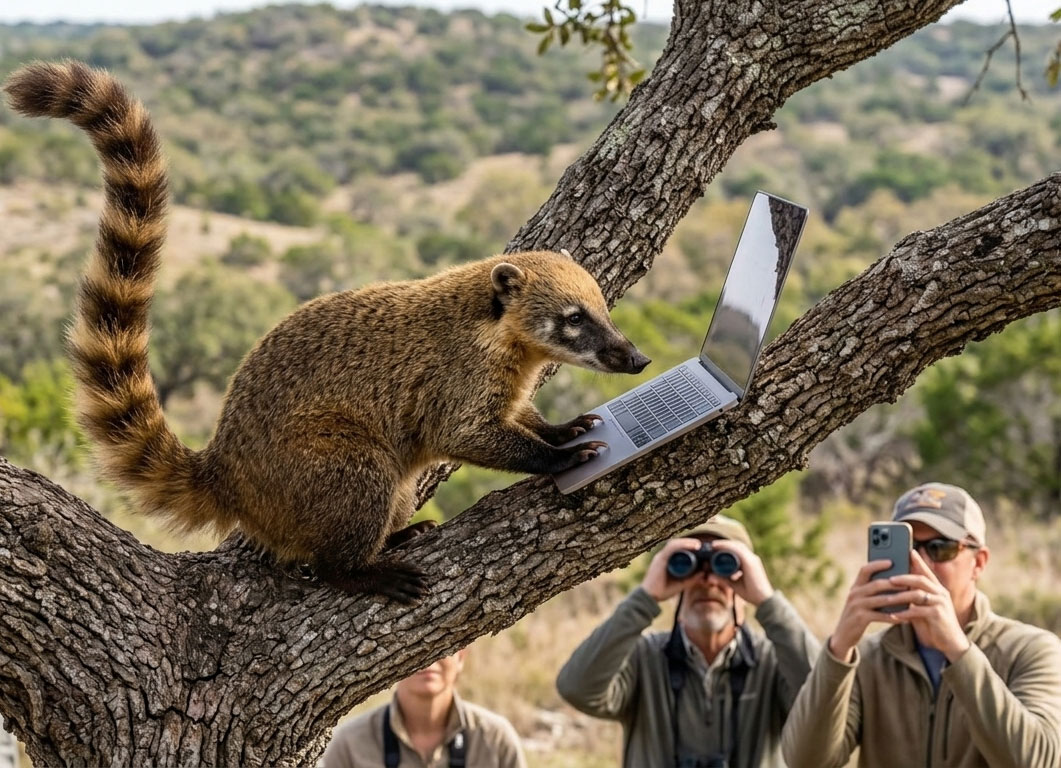
Coatimundi captivate people because they look exotic, act like curious little troublemakers, and keep showing up in viral videos, zoos, and even surprise sightings in places like Texas.
Table of Contents
What Is a Coatimundi?
The coatimundi (or coati) is a small mammal in the raccoon family, native to the Americas. They have a raccoon‑like face, a long flexible snout, a ringed tail, and a slim, agile body that moves almost like a monkey. This mix of familiar and exotic features is a big part of why the word coatimundi sticks in people’s minds.
Why People Are So Fascinated With Coatimundi
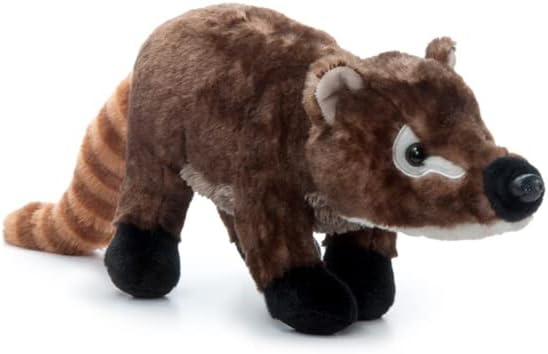
People feel drawn to coatimundi because they combine “cute” looks with quirky, highly visible behavior.
- They look like a raccoon‑monkey‑lemur hybrid, with a masked face, long nose, and ringed tail held straight up like a little flag.
- Female coatimundi live in large social bands of 10–30 animals, grooming, playing, and communicating all day, which makes them fun to watch.
- Their paws work almost like hands, so they open containers, dig through bags, and explore anything new around them.
- Their curiosity and “mischievous toddler” energy translate perfectly into short, shareable videos.
- Psychologically, they feel like an exotic cousin of the familiar raccoon, so people recognize them but still feel a sense of discovery.
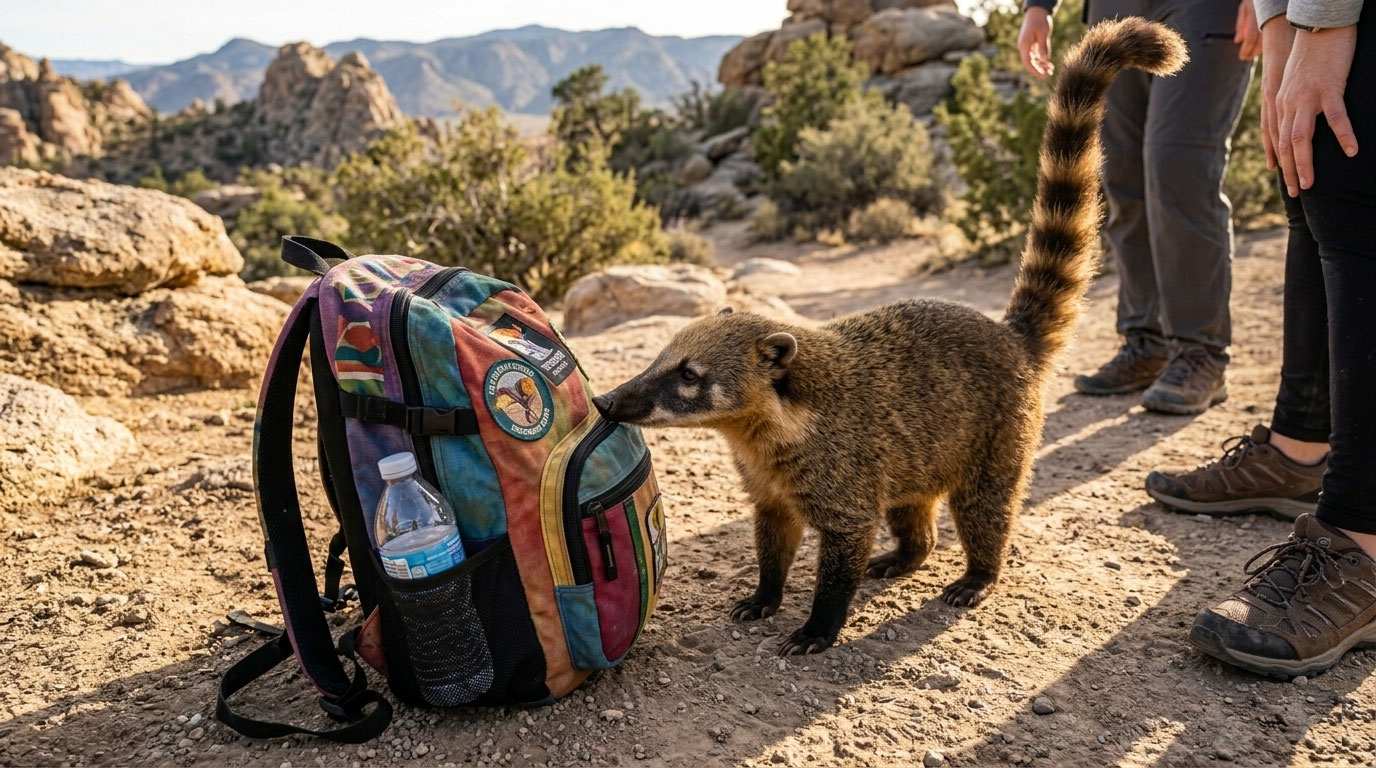
In simple terms, people love coatimundi because they are cute, quirky, social, and always busy doing something entertaining.
Coatimundi in the Wild: Social, Smart, and Adaptable
Understanding how coatimundi live in the wild makes their appeal even stronger.
- Social life: Female coatimundi and their young form cooperative bands, while adult males live mostly alone and only join briefly during breeding season.
- Daily routine: Coatimundi are mostly active during the day, spending hours foraging, climbing, and interacting with each other.
- Diet: They are omnivores that eat insects, grubs, fruit, small vertebrates, eggs, nuts, and even carrion, which lets them thrive in many habitats.
- Habitat: Coatimundi live in tropical forests, scrub, mountain woodlands, and desert edges from Central and South America into parts of the southwestern United States.
Researchers have even linked their strong social lives to a relatively large frontal cortex, the brain area tied to social behavior in mammals. That intelligence feeds into the clever, problem‑solving behaviors that people find so fascinating in coatimundi.
Coatimundi, Viral Videos, and the Exotic Pet Temptation
In the last decade, coatimundi have become more visible online and in exotic‑pet conversations.
- Baby coatimundi look irresistibly cute, interact with people, and climb all over them, which makes for viral clips on TikTok, Instagram, and YouTube.
- Exotic‑animal influencers highlight coatimundi to stand out, often showing playful moments but not the hard work of caring for an adult.
- In some U.S. states, it is legal (with varying rules) to keep exotic mammals, so a small trade in captive‑bred coatimundi exists.
However, wildlife experts and humane organizations warn that adult coatimundi can be strong, destructive, and difficult to manage, and many end up in sanctuaries when owners can’t handle them. The viral “cute” appeal is real, but it doesn’t match the reality of their long‑term needs.
Coatimundi Sightings in Texas and Beyond
Another reason people search “coatimundi” is surprise: they don’t expect to see this animal close to home.
- The white‑nosed coatimundi’s natural range reaches into parts of the southwestern U.S., including South Texas, where habitats resemble northern Mexico.
- Coatimundi occasionally cross the Rio Grande naturally, especially young solitary males that roam long distances.
- Some Texas sightings likely come from escaped or released exotic pets, especially far from the border.
- In the Texas Hill Country, repeated but hard‑to‑prove sightings have fueled a “coatimundi mystery” about whether a tiny hidden population might exist.
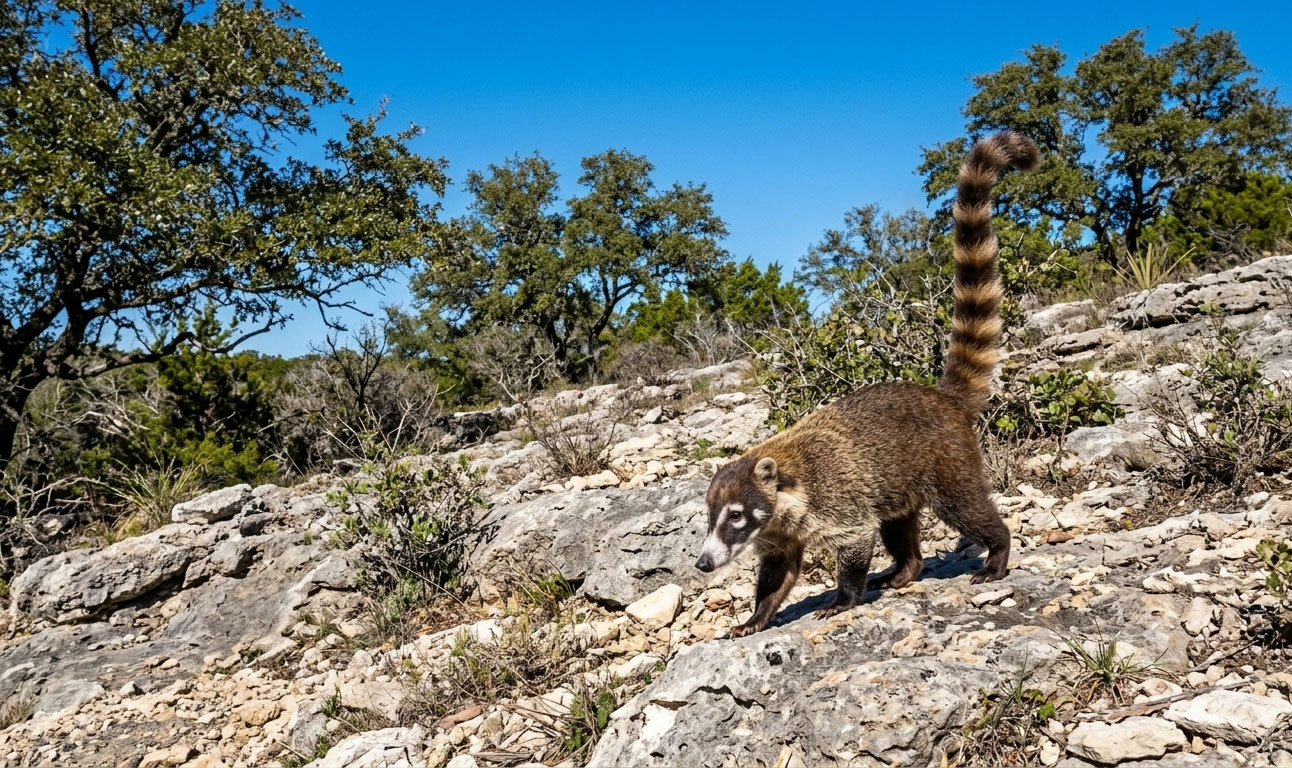
For hikers, ranchers, and tourists, seeing a coatimundi sprint across rocks with its tail held high is unforgettable—and that fuels more curiosity, photos, and online searches.
Coatimundi vs Other “Cute Bandits”
People often compare coatimundi to other small, clever mammals.
Coatimundi stand out because they mix raccoon‑like charm with highly social “band life,” which makes encounters far more dramatic and memorable.
FAQ About Coatimundi
Q1. What is a coatimundi and how is a coatimundi related to raccoons?
A coatimundi is a small, intelligent mammal in the raccoon family, known for its long snout, ringed tail, and curious, social behavior.
Q2. Where does the coatimundi live in the wild?
The coatimundi lives from Central and South America up into parts of the southwestern United States, thriving in forests, scrublands, and rugged canyons.
Q3. Why are people so fascinated with the coatimundi?
People are fascinated with the coatimundi because it looks exotic yet familiar, behaves playfully, lives in social bands, and frequently appears in viral animal videos.
Q4. Is the coatimundi ever seen in Texas?
Yes, the coatimundi is occasionally seen in Texas, especially in South Texas and along the Rio Grande, with rare reports from the Hill Country and nearby regions.
Q5. Can a coatimundi be kept as a pet?
A coatimundi is sometimes kept as an exotic pet, but experts warn that adult coatimundi are strong, demanding animals that require specialized care and large enclosures.
Q6. What does a coatimundi eat?
A coatimundi is an omnivore that eats insects, fruit, small animals, bird eggs, and carrion, using its long nose and agile paws to forage on the ground and in trees.
Want more on Coatimundis? Read: Top 10 Questions Answered About Coatimundis