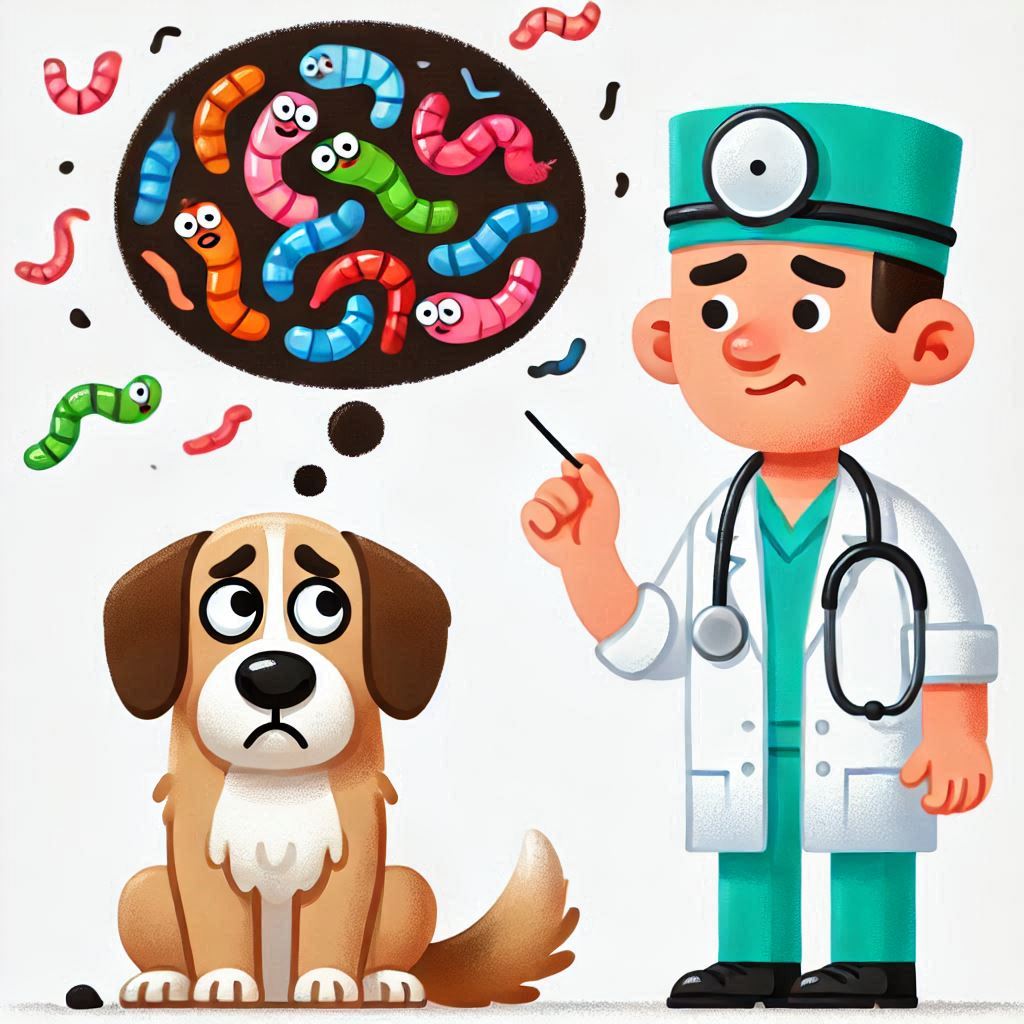
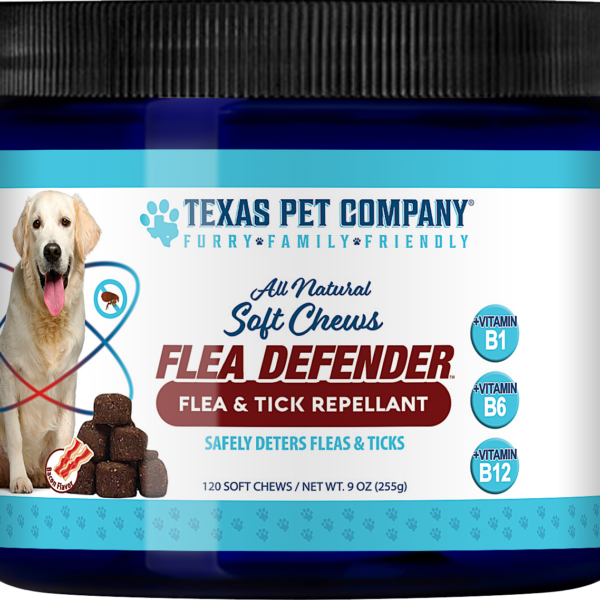
Deworming of dogs and all pets has always been a topic of discussion. All the pet parents need authentic information about how and when to deworm their precious pets. Generally, the deworming of any pet should start when they are young. This is because worms are not just acquired from the surroundings, but can be inherited from the infected parent as well. The deworming of puppies and kittens is essential to protect them from developing adult worms inside their little bodies. It also ensures their safety from various worm-related infections. Regular deworming of dogs helps maintain their overall health.
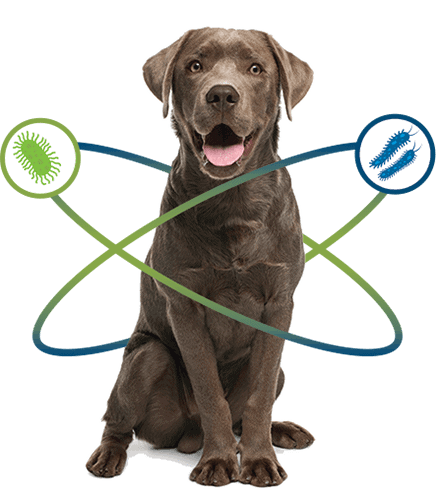
Which worms are generally found in dogs? The answer is that there are various worms that can be eliminated and the infections spreading from these can be controlled. There exist Roundworms, Whipworms, Hookworms and Tapeworms that are the prime worms affecting the dog’s organs specifically intestines. Additionally, there are hearworms that can effect dogs, however those are internal parasites affecting the heart versus instestinal worms. Intestinal worms and Heartworms are treated differently. For the purpose of this post, we will discuss intestinal worms.
A little insight into the activities of these worms will enable you to understand the necessity of deworming a dog.
Understanding the importance of deworming of dogs is crucial for every pet owner. By being proactive, you can help prevent serious health issues caused by these parasites.
Deworming of Dogs Essentials – Dog Deworming Basics 101 8
Roundworms:
In appearance, they look like long strands of noodles and are usually found in the intestines. They feed on the partially digested food by the pets and are found in abundance. The larvae of these worms are easily transferable from the dog mothers’ milk. If the worms get infested in the dog’s body by external means like if the dog licks the eggs or another pet’s feces, then it may cause serious damages.
Whipworms:
The name suggests the look of these worms, thread like structures with one end wider than the other. To be usually found in large intestines, whipworms leads to tremendous weight loss in the dog that it infects.
Hookworms:
More often spotted in dogs, these parasites if severely infested in the dog’s body, can turn them into anemic. The common signs reflecting hookworm infection are diarrhea, anemia, loss of weight etc.
Tapeworms:
Recognized as flat, small rice or grain like structure, these worms can be infested in the dog’s body either by external environment or by fleas. Tapeworms reside in intestines and can vary from 4-6 inches in length. They can be spotted in the stool of the dogs or near anus area.
What Should You Do Next?
After the worm type has been identified, there are easy treatments for your dog. You can find many different types of natural dewormer for dogs or medicated dog dewormers from pet stores to online pet stores and some of the major retailers of pet products. Dewormers can come in the form of pills, soft chews, liquid or injection. Make sure you understand how to do it. Each company and type of dewormer could have different directions.
Deworming of Dogs Essentials – Dog Deworming Basics 101 9
The frequencies at which the pets should be dewormed vary with their age. For puppies – treatment should be done at 2, 4, 8, 12 weeks of age, followed by 4, 5, 6 months of age. While for the adult dogs, they must be dewormed at every 3 months of interval and 6 weeks in case of hydatid infection. Rules also apply for pregnant and lactating dogs. They must be de-wormed before the mating process, 10 days before whelping followed by 2 and 4 weeks of interval’s time for after whelping de-worming.
For kittens, de-worming should be done in every 2 weeks from 6 weeks of age to 3 months. Followed by, de-worming them every month until 6 months of age. The adult cats must be treated in the same way as adult dogs i.e. at every 3 months of interval.
Adhering to these deworming steps and using the proper dewormers for dogs, no harm can be caused to them. Choice of the treatments should be perfect and ideal according to the dog’s health.
Consult with your veterinarian for the best practices for the deworming of dogs.
Regular check-ups can assist in the effective deworming of dogs and early detection of problems.
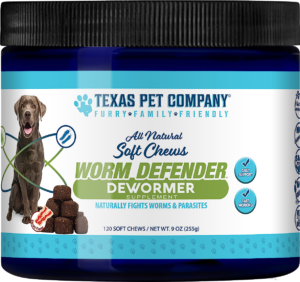
Natural & effective dog wormer without Rx. Treat & control roundworms, hookworms or tapeworms in your dog with these bacon-flavored treats for dogs. Keep your dog healthy & worm-free with Worm Defender Dewormer for dogs.
Deworming of Dogs Essentials – Dog Deworming Basics 101 10
Laboratory studies of ingredients in seven popular flea and tick control products reveal adverse health effects in all animals tested. The effects of these well known and aggressively marketed products range from convulsions, body tremors and labored breathing to thyroid cancer, brain lesions, and liver and lung tumors. Yet TV commercials with trusty looking veterinarians pitch only the happy side of these products.
Which flea and tick pesticide are you using on your dog and/or cat? If your favorite treatment contains the active ingredient Fipronil, Imidacloprid, Methoprene, Permethrin, Pyriproxyfen or the inert ingredient Butyldydroxytoluene, Butylhydroxanisole, Carbitol, Ethanol, or Polyvinlpyrrplidone, you need to know about the not-so-happy side of these products as well.
If you think your veterinarian or local pet store would never sell you such a sinister poison, think again.
Advantage (Bayer Corporation), Adams Spot-On Flea & Tick Control (Farnam Pet Products), BioSpot Flea & Tick Control (Farnam Pet Products), Defend EXspot Treatment (Schering-Plough Animal Health), Frontline Top Spot (Merial Limited), Frontline Plus (Merial Limited), and Zodiac FleaTrol Spot On (Wellmark International) – all contain one or more of the aforementioned active or inert ingredients.
Toxicology and morbidity findings from these pesticide products were gathered over a decade of laboratory testing by the United States Environmental Protection Agency; Occupational Safety & Health Administration, U.S. Department of Labor; Extension Toxicology Network; Journal of Pesticide Reform; Pesticide Action Network North America and other sources, with additional information supplied by Material Safety Data Sheets.
Most testing was performed for the benefit of new product manufacturers in order to qualify for EPA registration. Scientists overdose laboratory animals to determine how much of the product will kill 50% of the test population. Information is then extrapolated and assumptions made that may apply to domestic animals and human beings.
According to laboratory tests, Fipronil (Frontline Top Spot and Frontline Plus) is a neurotoxin and suspected human cancer agent. Fipronil can cause liver toxicity, thyroid cancer, kidney damage, raised cholesterol, lack of coordination, labored breathing, miscarriages and stunted offspring.
Laboratory testing of Imidacloprid (Advantage) on mice, dogs and rats shows this insecticide to be neurotoxic to laboratory animals, also causing a breakdown of coordination, labored breathing, lesions of the thyroid, reduced birth weight, and increased birth defects.
The synthetic broad spectrum pyrethroid insecticide Permethrin (Adams Spot-on Flea & Tick Control; BioSpot Flea & Tick Control; and Defend EXspot Treatment) shows indications of being an endocrine disrupter and the cause of lung cancer and liver tumors in laboratory animals.
Is zodiac flea treatment safe?
Methoprene and Pyriproxyfen (Zodiac FleaTrol Spot On; and BioSpot Flea & Tick Control) are known as insect growth regulators (IGR), both of which restrict the growth of fleas to the juvenile stage where reproduction is not possible. Laboratory testing reveals that Methoprene causes enlarged livers and degeneration of the kidneys.
Unfortunately, few people actually read EPA test results. Fewer still want to hear about the many laboratory test subjects (unwanted dogs and cats) killed during and after the studies in order to determine damage to specific systems and organs. But it only takes a few people with straightforward thinking to bring about change. Are you ready to stop this insanity? There are effective alternatives, as you know.
Today there are totally natural flea and tick remedies – completely harmless to kids, pets and the environment – made from pure botanical essential oils. Some natural products work fairly well, some don’t, and some work much better than the toxic stuff!
The mode of action – the way these natural remedies kill fleas and ticks – is to disrupt the insect’s ability to function by blocking a substance called octopamine. In nature, certain plants have developed a natural defense against bugs. These “octopamine blockers” in plants are extracted as oils and used as active ingredients. Octopamine is to an insect what adrenalin is to a human. When blocked from the system, the insect quickly dies. No muss, no fuss. Nobody gets hurt but the bug.
Please begin today to stop supporting the heartless laboratory testing of innocent animals, the insidious cover-up and rush to market of big business, and the unwitting harm we may be doing to our children, our pets, and our planet.
It’s a concrete fact that a pet needs can vary throughout its lifetime. Providing the utmost care through all the years of their lives helps them lead a healthy and happy life. As keeping your pet healthy is a lifetime commitment, providing the best care at every stage is also a compulsion. It’s paramount that for every life stage of your furry pal, you need to create a plan and follow a set of obligatory steps to maintain the quality of his life. The daily or life stage requirements keep on changing at each ascending, and every critical life stage of your pet. Henceforth, according to the needs of their growing years, you need to suffice them all.
At each passing stage, explore and learn about the basic requirements that are inevitable for their optimal health at every life stage.
Puppy and Kitten Care
A newly adopted puppy or kitty needs an exclusive care for their optimal growth. Not just regular vet visits, but, here are the numerous things that you need to consider.
The first step is to plan a vet visit for your pet’s physical examination as soon as possible.
Second is to screen your furry pal for any presence of fleas, ticks, intestinal parasites or any other health problems. This will ensure that the new member is fit and does not transmit any disease to other animals or humans.
Puppies and kittens are highly prone to parasitic infections. To protect them against preventive diseases, it is crucial to start with flea and tick prevention program. This controls flea and tick infestations as well as protect your puppy or kitty against flea & tick-borne diseases.
Apart from flea and tick preventives, treat your baby furry pal with wormers. At times, worms are transmitted to puppies and kittens from their mothers. Therefore, treating with wormer regularly aids in the elimination of worms and controls multiple worm infections in your furry kid.
Along with other parasitic infections, puppies are also prone to heartworm disease due to their low immunity. Your vet will test for heartworm disease. If the result is negative, you can start with monthly heartworm preventives. These are available in flavored chews that are easy to administer to puppies.
The low immunity not only makes puppies and kitties susceptible to heartworm disease but also to various other preventable diseases. Therefore, vaccination is paramount in protecting your four-legged kid from these diseases. Your vet can prepare a vaccination plan for your pet, so you can be assured not to miss any vaccination.
Basic pet training, social networking, and proper food along with a lot of caresses are the others aspects which have to be considered as your puppy or kitty grows.
However, it becomes crucial to take your furry pal to a veterinarian if you notice the following signs or symptoms in your furry kid.
Excessive drinking or urination
Sudden weight loss
Loss of appetite
The sudden increase in appetite
Behavioral changes
Ear odors, redness, head jerking, scratching or head shaking
Trouble defecating or urinating
Skin lumps, bumps or irritation
Bad breath, plaque or bleeding gums
Diarrhea or vomiting
Unable to walk
Looks lethargic
Adult Pet Care
As your puppy/kitten grows into an adult, particular things change in their pet care regime. First of all, the pet diet has to be changed according to their body weight and conditions. An adult requires more food compared to growing puppies or kittens. Additionally, adult pets should be examined at least twice a year to prevent or detect any unlikely health condition.
As pets age faster, additional care has to be taken at this stage as the health problems can also progress quickly. Some of the common problems that adult furry pals face are ear and eye disease, dental conditions, obesity, endocrine disease, intestinal parasites, tumors or lumps and skin diseases especially due to fleas and ticks. Though your pet may appear normal, some of these diseases are not detectable at the earlier stages. Whereas conditions like intestinal parasitic infestations, skin diseases due to external parasites, and dental diseases are highly preventable if regular treatments are rendered to your pet.
Moreover, adult dogs are also prone to chronic pain due to the onset of arthritis problems. They may experience pain due to joint disease and skin rashes or itching due to flea and tick bites. Regular joint supplements aid in the control of joint pain further preventing the signs of arthritis. Additionally, monthly flea and tick treatment such as Nexgard, advantage or Eliminall spot-on prevents itching, scratching and skin rashes as well as flea allergy dermatitis in pets.
Senior Pet Care
When pets move to the golden period, they look forward for more care and love from your side. The advancement in animal health medicines has scaled higher which has hugely impacted the quality of life senior pets improving their health. However, the increased lifespan has its own drawbacks. The extended lifespan has also paved way to numerous health conditions in senior pets.
During this stage, the health conditions grow much faster and therefore more specific care has to be created to provide the best care to your senior pet. At this stage they are highly susceptible to osteoarthritis, kidney disease, heart disease, liver disease, cancer and diabetes.
Taking care of our pet is probably expensive. You need to take your pet dogs and cats to the veterinarian regularly to check their health conditions. Fleas and ticks are the most common problems mainly in pet dogs and cats. Now you don’t have to worry about it. The Cheapest Plus is now in the market.
The increasing demand of the product in the market and the great desire of the manufacturer to help pet owners save dollars without sacrificing the health of their pets, the manufacturer have decided to give discounts up to 50%.
There are various ways to avail the Cheapest Plus
1. Frontline Plus coupon-you can avail this through buying 6 doses of Frontline Plus
2. Buy in bulk-purchasing in bulk is cheaper than buying in retail that saves you money and time. Just make sure to consume before it expires.
3. Buy Cheapest Frontline Plus online-there is online shop that offers big discounts on the products.
You can buy the cheapest Plus for dogs on Amazon.com. It offers almost 50% discounts on various products.
Cheapest Frontline Plus comes in variant
The color packaging indicates the weight category of your pet.
Cheapest Frontline Plus Orange is recommended for dogs weighing 0-22lbs.
Cheapest Frontline Plus Blue is recommended for dogs weighing 23-44 lbs.
Cheapest Frontline Plus Purple is intended for dogs weighing 45-88 lbs.
Cheapest frontline Plus red is for dogs weighing 89-132 lbs.
Frontline Plus is the highly recommended by the experts for the prevention of fleas and ticks from your dogs. Application is once every month and it is safe to use. The side effect is so minimal to zero it’s the reason why it is the top choice of most veterans. It is proven to kill all the life stages of four major tick species that may includes the one that carries Lyme disease. It controls the possibility of infestation of flea and ticks to your dogs.
Cheapest Frontline Plus for Cats
Like dogs, cats could also be stricken by fleas and ticks which may harm them if not treated immediately. And the problem is looking for the most effective yet inexpensive products for medication is not easy. To save you time, effort, and so with money, choose to buy Cheapest Frontline Plus for Cats. It is the best solution for combating the pest because its components S-Methropene and Fripronel are guaranteed 100% effective.
It is gentle on the cats’ skin and it is also waterproof just let dry 24 hours after application and your cat is safe even if it licks itself to groom.
This concludes that Frontline Plus products are the cheapest solution to keep your pet dogs and cats healthy and happy. It is the best products that most experts recommend because it is safe to use and very effective. Why buy products with cheaper price but the effectiveness is also lesser. You should be more sensible because the more you use ineffective products the more you spend too much.