
Pet Flea and Tick Treatment: Which One IS Best?
Table of Contents
Pet Flea and Tick Treatments are available in many places.
But which one is best for you and your pet?
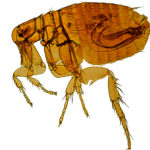
If you own a pet, chances are you have had to deal the nuisance of fleas and ticks. There are many treatments available on the market now but consideration must be taken into what treatment to use as every dog is different.
Flea and tick shampoos do the trick but can contain harsh chemicals which can treat the bugs but sometimes will cause damage to the dogs skin especially if the dog is prone to skin allergens. The natural option which is an old age remedy is adding cooked garlic to the dogs meals, this works from the inside and has been a very successful flea and tick treatment for many years. You can also find these natually repelling ingredients in products like supplements or soft chew treats.
Another natural option is pine tar soap, simply buy the soap (which can be purchased from a health food store) and shave some into a trigger spray bottle and fill it up with water. When sprayed on the coat this is very effective for killing fleas on target. Also remember to spray the be bedding to be sure all the fleas are dealt with.
Frontline is also a great non-evasive pet flea and tick treatment and is administered at the back of the neck. It can be expensive and needs to be used on a regular basis. There are also hypoallergenic flea and tick shampoos available on the market and are very good for dogs with skin allergens. If your dog does suffer from skin conditions consult your vet first to be safe. When washing your dog with a flea treatment, always make sure the shampoo is the right product for your dog. All dogs are different and will have different reactions to different products.
If the dog is dirty give him/her a brief wash with a cleansing shampoo first so the hair is clean before using a flea treatment product. Also clean the bedding as well and maybe use a flea powder or spray to get rid of any eggs that may be invisible to the eye to avoid reinfestation of fleas and ticks.
Always follow any instructions on the product and repeat procedure if advised to do so as there may still be eggs in the hair and this will avoid reinfestation in the dogs hair. When using a product like Frontline it is advised to use this as a long term treatment to guard against fleas and should be followed correctly or the product may not be effective. If the problem persists, consult your vet.
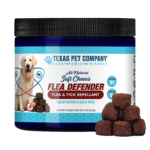
Flea Defender is a great all-natural option. These soft chews are an all-natural solution for flea and tick prevention for dog. They defend against fleas and ticks using natural ingredients. Enriched with Vitamins B1, B6, and B12. These vitamins not only help stimulate healthy growth but also support appetite and digestion.
Conclusion
In conclusion, selecting the right pet flea and tick treatment for your pet is crucial for their health and comfort. While traditional options like shampoos and topical treatments can be effective, they may contain harsh chemicals that could irritate sensitive skin. Natural alternatives, such as garlic-infused diets or pine tar sprays, offer gentler solutions but may require more frequent application and diligence.
Products like Texas Pet Company’s Flea Defender Soft Chews combine natural ingredients with convenience, providing an easy-to-administer option that supports overall wellness. Ultimately, the best choice depends on your pet’s specific needs, sensitivities, and lifestyle. Consulting with your veterinarian can help determine the most suitable and effective treatment plan to keep your furry friend protected year-round
Source: Tracy Brislane
Original: 03/10/2020; Updated: 05/27/2024