...

Texas Pet Company

📦Free Shipping On All Orders Over $100 - No Promo Code Needed 📦

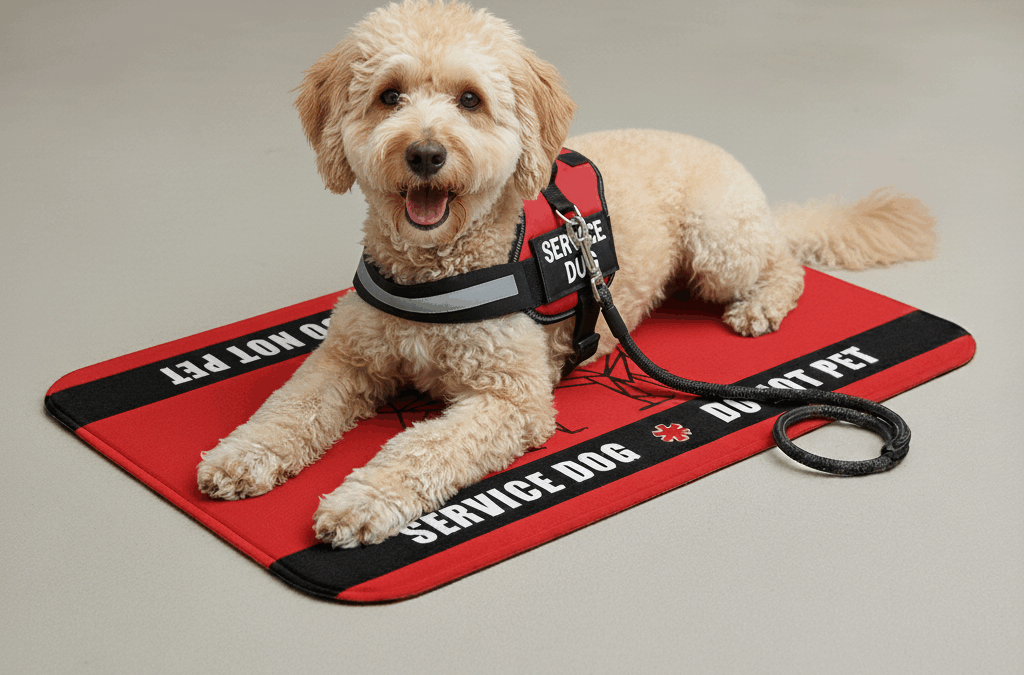
Essential Tips for Choosing the Perfect Service Dog Travel Mat

Essential Tips for Choosing the Perfect Service Dog Travel Mat

Understanding the Importance of a Service Dog Travel Mat

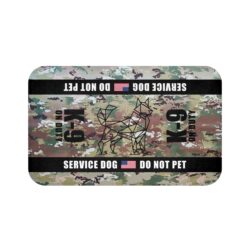
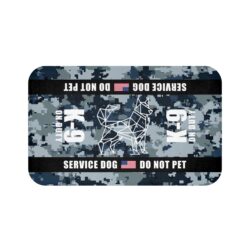
For pet owners, especially those with service dogs, having the right equipment can greatly enhance the travel experience. A travel mat is not just a luxury item; it plays a critical role in ensuring your service dog is comfortable and well-behaved during trips. From long car rides to airport terminals, a travel mat provides a designated space where your dog can rest and feel secure, reducing anxiety and promoting calmness.

The Role of a Travel Mat for Service Dogs

A travel mat serves several essential functions. It creates a defined area for your service dog, signaling to them that it’s time to relax. This is particularly helpful in busy or unfamiliar environments where distractions can cause stress. Moreover, the mat can help establish boundaries, ensuring your dog remains in their designated space, which is crucial for maintaining order and discipline while traveling.

Benefits of a Quality Travel Mat

Investing in a high-quality travel mat can yield significant benefits. Firstly, a good mat can provide insulation against cold or hard surfaces, making it more comfortable for your service dog to rest. Additionally, many travel mats are designed to be lightweight and portable, which is essential for ease of transport. Finally, a durable and well-constructed mat can withstand the wear and tear of frequent travel, saving you money in the long run.

Factors to Consider When Choosing a Travel Mat

Size and Portability

When selecting a travel mat, size is a crucial factor. You want a mat that will comfortably accommodate your dog while still being portable enough to take on your travels. Measure your dog’s length and width when lying down to ensure a proper fit. Additionally, consider the mat’s weight and how easily it can be packed away, as this will impact your overall travel experience.

Material and Durability

The material of the mat is equally important. Look for materials that can withstand frequent use and are resistant to tears and scratches. Common options include nylon, polyester, and canvas, each offering different levels of durability. Remember that service dogs often accompany their owners in various environments, so a mat that can handle outdoor conditions will be beneficial.

Comfort and Support

A comfortable mat is essential for your dog’s well-being. Look for mats that provide adequate support without being too soft or hard. Memory foam or padded mats tend to offer a good balance of comfort and support, promoting rest during long journeys. Also, consider the thickness of the mat; a thicker mat can provide better insulation from cold surfaces.

Ease of Cleaning

Travel mats can quickly become dirty, especially when used outdoors or in high-traffic areas. Therefore, it’s vital to choose a mat that is easy to clean. Many mats come with removable covers that are machine washable, while others may have wipeable surfaces. The ease of cleaning will save you time and effort, ensuring your service dog always has a clean resting place.

Types of Travel Mats Available

Foldable Travel Mats

Foldable travel mats are convenient for pet owners who value portability. These mats can be easily folded into compact sizes, making them simple to carry in a backpack or pet carrier. They are perfect for a variety of situations, from camping trips to hotel stays, as they provide a comfortable space for your dog wherever you go.

Waterproof Travel Mats

If your travels often take you into wet or muddy areas, a waterproof travel mat is an ideal choice. These mats are designed to repel water and resist stains, ensuring that your service dog can rest comfortably, even in less-than-ideal conditions. Waterproof mats are also easier to clean, as spills can be wiped away without absorbing into the material.

Insulated Travel Mats

For outdoor adventures or colder climates, insulated travel mats can be a lifesaver. These mats provide added warmth and comfort, making them suitable for use in chilly weather. Insulated mats often feature thermal layers that help retain body heat, ensuring your service dog stays warm during overnight camping trips or long waits in cold environments.

Tips for Selecting the Right Travel Mat

Assessing Your Dog’s Needs

Before making a purchase, it’s important to assess your service dog’s specific needs. Consider their size, age, and any medical conditions that may affect their comfort. Older dogs, for example, may benefit from extra cushioning, while younger dogs might require a more durable option to withstand their energy levels. Tailoring your choice to your dog’s needs can vastly improve their travel experience.

Reading Product Reviews

Product reviews can provide insight into the quality and performance of various travel mats. Look for feedback from other pet owners, especially those who have service dogs, as they can offer valuable recommendations based on their experiences. Pay attention to comments regarding durability, comfort, and ease of cleaning, as these factors are critical when selecting the perfect travel mat.

Comparing Prices and Brands

Travel mats come in a variety of price ranges, so it’s wise to compare options across brands. While some may offer premium features, others may provide great value at a lower cost. Identify your budget and explore options that meet your financial constraints while still ensuring quality and comfort for your service dog. Don’t forget to check for warranties or satisfaction guarantees, as these can indicate a brand’s confidence in its product.

How to Train Your Service Dog to Use the Travel Mat

Introducing the Mat

Once you have chosen the perfect travel mat, it’s essential to train your service dog to use it. Start by introducing the mat in a familiar environment, allowing your dog to sniff and explore it. This introduction phase is crucial, as it helps your dog understand that the mat is a safe space where they can relax and settle down.

Creating Positive Associations

To encourage your service dog to use the mat, create positive associations by rewarding them when they lie down on it. Use treats, praise, or their favorite toy to reinforce the behavior. Consistently rewarding your dog will help them understand that the mat is a desirable place to be, ultimately leading to a calm and content service dog while traveling.

Consistency in Training

Consistency is key in training your service dog to use their travel mat. Make it a part of your routine, encouraging them to use the mat during different activities at home and gradually transitioning to using it in various travel settings. Over time, your dog will begin to associate the mat with relaxation and comfort, making it easier for them to settle down in new environments.

Conclusion

Recap of Key Points

Choosing the perfect travel mat for your service dog involves understanding its importance, considering various factors such as size, material, and ease of cleaning, and assessing your dog’s specific needs. There are multiple types of travel mats available, each designed for specific situations, from waterproof to insulated options. Training your service dog to use their travel mat is equally important, ensuring a smooth and comfortable travel experience.

Encouragement to Choose Wisely

By taking the time to select the right travel mat and training your service dog effectively, you can enhance both their comfort and your travel experience. A thoughtfully chosen travel mat not only supports your dog’s well-being but also fosters a sense of security and calm in unfamiliar environments. Make the investment in your service dog’s comfort; it will pay off in ease and joy during your travels together.

FAQs

What size travel mat do I need for my service dog?

The size of the travel mat should correspond to your dog’s size and provide enough space for them to lie down comfortably. Measure your dog when they are lying down to ensure a proper fit.

Are waterproof travel mats worth it?

Yes, waterproof travel mats are beneficial, especially for outdoor use. They protect against moisture and are easier to clean, making them ideal for travel in various weather conditions.

How do I clean a travel mat?

Cleaning methods vary by mat type. Many mats come with removable covers that can be machine washed, while others can be wiped down with a damp cloth. Always refer to the manufacturer’s care instructions.

Can I use a regular dog bed while traveling?

While you can use a regular dog bed, travel mats are specifically designed for portability and convenience. They are often lighter and easier to pack than traditional dog beds.

How can I help my service dog feel comfortable on a travel mat?

Introduce the mat in a familiar environment and reinforce positive associations with treats and praise. Training your dog to use the mat regularly will help them feel secure and comfortable during travels.


10 Essential Healthy Dog Treats and Supplements to Keep Your Pup Healthy and Happy

10 Essential Healthy Dog Treats and Supplements to Keep Your Pup Healthy and Happy

1. Introduction

As a pet owner, ensuring your dog’s health and happiness is one of your top priorities. One way to achieve this is by providing them with the right healthy dog treats and supplements. Not just any treats, but those that are nutritious and beneficial for their overall well-being. In this article, we will explore ten essential dog treats and supplements that can keep your pup healthy and happy. We’ll also dive into the nutritional benefits, homemade treat recipes, safe ingredients to consider, and the role supplements play in your dog’s diet. Let’s embark on this journey to learn how to enhance your furry friend’s diet!

2. Nutritional Benefits of Dog Treats

Understanding Your Dog’s Dietary Needs

Every dog has unique dietary needs based on their age, breed, weight, and health condition. Understanding these needs is crucial to providing a balanced diet. High-quality dog treats can fill nutritional gaps, offering essential vitamins, minerals, and proteins that might be missing from your dog’s regular food. Treats can also serve as training rewards, making them instrumental in positive reinforcement strategies.

Consulting with a veterinarian can help assess your dog’s specific dietary requirements. Tailoring your dog’s diet to include suitable treats ensures they receive the necessary nutrients while still indulging in tasty snacks.

Importance of Balanced Nutrition

A balanced diet is essential for maintaining your dog’s health. This includes proteins, carbohydrates, fats, vitamins, and minerals. Commercial dog food often aims to provide a balanced diet; however, incorporating dog treats and supplements can further enhance your dog’s nutritional intake. Treats such as fruits and vegetables can offer antioxidants and fiber, while supplements can contribute additional vitamins and omega fatty acids, supporting skin and coat health, digestion, and overall immune function.

Ultimately, the right combination of foods and treats contributes to your dog’s vitality and longevity. Hence, selecting high-quality, nutritious treats is not merely a luxury but a necessity.

3. Top 10 Dog Treats and Supplements

1. Natural Peanut Butter

One of the most beloved dog treats, natural peanut butter is rich in protein and healthy fats. It’s also a great source of vitamins B and E and niacin. However, be sure to choose varieties that do not contain xylitol, as it is toxic to dogs. Peanut butter can be given by the spoonful or stuffed into toys for a fun and engaging treat.

2. Sweet Potatoes

Sweet potatoes are packed with nutrients, including fiber, vitamins A and C, and antioxidants. They promote digestive health and can help maintain a healthy weight. You can serve them baked, dehydrated, or mashed, making them a versatile option for dog treats.

3. Pumpkin Puree

Pumpkin puree is another superfood for dogs. It supports digestive health due to its high fiber content and is great for dogs with upset stomachs. It is also low in calories, making it an excellent treat for dogs who need to shed some pounds. Adding a spoonful to your dog’s meal can enhance flavor and nutrition.

4. Carrots

Carrots are a crunchy, low-calorie snack that dogs love. They are high in beta-carotene and fiber, which are beneficial for both vision and digestion. Raw carrots can serve as an excellent dental chew, promoting clean teeth and fresh breath.

5. Salmon Oil

Salmon oil is a fantastic supplement for your dog’s coat and skin health. It is rich in omega-3 fatty acids, which can help reduce inflammation, promote cardiovascular health, and improve cognitive function. You can add salmon oil directly to your dog’s food or offer it as a treat.

6. Yogurt

Plain yogurt is a protein-rich treat that contains probiotics, which are beneficial for gut health. It can aid in digestion and support a healthy immune system. Always opt for unsweetened and unflavored yogurt to avoid harmful additives for your dog.

7. Greenies for Dental Health

Dental treats like Greenies are formulated to reduce tartar and plaque buildup while promoting fresh breath. They are specifically designed to be chewy, encouraging your dog to gnaw on them, which helps clean their teeth. Incorporating dental treats into your dog’s routine can prevent dental issues down the line.

8. Fish Skin Treats

Fish skin treats are not only tasty but also rich in omega-3 fatty acids. They can promote a shiny coat and healthy skin. Furthermore, these treats are often lower in calories than traditional meats, making them a good choice for pups on a diet.

9. Chia Seeds

Chia seeds are packed with nutrients, including omega-3 fatty acids, fiber, and protein. They can improve digestion and support heart health. Adding chia seeds to your dog’s food or making homemade treats with them can be a beneficial supplement to their diet.

10. CBD Oil

CBD oil is gaining popularity among pet owners for its potential benefits in reducing anxiety, pain, and inflammation. It’s essential to consult with your veterinarian before introducing CBD oil to your dog’s regimen to ensure proper dosage and quality.

4. Homemade Treat Recipes

Easy Peanut Butter and Banana Biscuits

These simple biscuits can be made with just three ingredients: 1 ripe banana, 1 cup of whole wheat flour, and 1/2 cup of natural peanut butter. Preheat your oven to 350°F (175°C), mash the banana in a bowl, add the peanut butter, and mix until combined. Gradually add the flour until a dough forms. Roll out the dough, cut it into shapes, and bake for 15-20 minutes. Allow them to cool before serving them to your pup!

Chewy Sweet Potato Treats

For chewy sweet potato treats, slice sweet potatoes into thin rounds and place them on a baking sheet. Bake at 250°F (120°C) for about 3 hours, flipping halfway through, until they are dehydrated yet chewy. These treats are healthy, tasty, and full of nutrients your dog will love.

5. Safe Ingredients to Consider

Fruits and Vegetables

Fruits and vegetables can be an excellent addition to your dog’s diet, offering vitamins and minerals. Some safe options include blueberries, apples (without seeds), peas, and green beans. Always introduce new foods gradually and monitor for any adverse reactions.

Proteins and Grains

Lean proteins like chicken, turkey, and fish are excellent sources of protein for dogs. Whole grains such as brown rice and oatmeal can also provide energy and fiber. Ensure that any grains are cooked and easily digestible for optimal benefits.

6. The Role of Supplements in Your Dog’s Diet

Vitamins and Minerals

Many dogs may benefit from additional vitamins and minerals, particularly if they have specific health concerns or dietary restrictions. Multivitamin supplements can fill gaps in nutrition, ensuring your dog gets the necessary nutrients to thrive. Always choose high-quality supplements designed specifically for dogs to ensure safety and effectiveness.

Probiotics for Digestive Health

Probiotics are beneficial bacteria that can help maintain a healthy gut flora. Many dogs experience digestive issues that can be improved with the inclusion of probiotics in their diet. These dietary supplements can help with diarrhea, constipation, and even anxiety-related digestive disturbances.

7. Deworming: Keeping Your Pup Healthy

Signs Your Dog May Need Deworming

Worm infestations can significantly impact your dog’s health. Common signs include weight loss, bloated abdomen, and changes in appetite. If you notice any of these symptoms, it’s crucial to consult your veterinarian for proper diagnosis and treatment.

Natural Remedies vs. Medications

While some pet owners may look for natural remedies, it’s essential to approach worm infestations with caution. Many natural treatments lack scientific backing, and relying solely on them may exacerbate the problem. Consult your veterinarian for effective and safe deworming medications if needed.

8. Conclusion

Keeping your dog healthy and happy involves more than just regular vet visits and quality dog food. The right treats and supplements can enhance your dog’s diet, providing essential nutrients and promoting overall well-being. From natural peanut butter to homemade sweet potato treats, there are plenty of options to explore. Additionally, understanding the importance of balanced nutrition, safe ingredients, and the role of supplements will empower you to make informed choices for your furry friend. Regularly assess your dog’s health and diet to ensure they’re receiving the best care possible.

9. FAQs

What should I avoid when selecting dog treats?

Avoid treats that contain artificial preservatives, colors, and high levels of sugar or salt. Always check the ingredient list for harmful additives, such as xylitol.

Can I give my dog human food as treats?

Yes, many human foods are safe for dogs, but it’s essential to research which ones are appropriate. Always introduce new foods gradually and consult your veterinarian if unsure.

How often should I give my dog treats?

Moderation is key. Treats should not exceed 10% of your dog’s daily caloric intake. Overindulging can lead to obesity and other health issues.

Are homemade treats healthier than store-bought ones?

Homemade treats can be healthier as you control the ingredients. However, store-bought treats can also be nutritious if made with high-quality ingredients. Always read labels carefully.

What are the signs of nutritional deficiencies in dogs?

Signs may include lethargy, poor coat condition, weight loss, and digestive issues. If you notice these signs, consult your veterinarian for a nutritional evaluation.