Feb 7, 2021 | Dogs, Flea Prevention For Dogs, Fleas, Ingredients, Pet Pests
Neem oil is a vegetable oil from the Azadirachta indica evergreen, (Neem tree). It has a strong mixed aroma of garlic and peanut butter. It varies in color from golden yellow, yellow-brown, red-brown, dark brown, green-brown to bright red. At room temperature it remains a liquid. Exposure to cold temperatures, (below fifity-five degrees), causes separation, thick consistency and solidification. As a liquid, it quickly absorbs into skin without a greasy feeling.
Neem is used in commercial and homemade products for people and pets: soaps, lotions, creams, shampoos and sprays. It’s rising in popularity in Europe and the USA. Neem bark, leaves, fruit, seeds and oils all have medicinal properties.
The Neem tree grows up to sixty-six feet with wide spreading branches, white fragrant flowers and fruit, similar in appearance to olives. It thrives in sub-tropical or tropical regions. It’s native to India, Nepal, Pakistan, Bangladesh and Sri Lanka.
OIL EXTRACTION METHODS
Neem oil is extracted by cold presing seeds, mechanical pressing, steam pressure or by chemical solvents. It is highly unlikely the exact same mix of compnenets will be produced more than once during extraction. The oil content in Neem seeds is higher than in the leaves.
— Cold Pressing: These oils retaing their flavor, aroma and nutritional value.
— Mechanical Pressing: Dried Neem seeds are fed into a mechannical pressing machine. Oil is collected in a drum with unwanted particles filtered out. This oil is lighter in color and odor when compared to toher extraction methods.
— Steam and High Pressure: Neem seeds are fed into a steam boiler, causing seeds to sweell. Squeezing the oil becomes easier. Oil is driven from the seeds, due to the steam and boiler pressure, without any pressing. Unwanted particles are filtered out. This method is not as good as others, since heat degrades flavor, nutrional value, color and may expose toxins.
— Chemical Solvents: A petroleum/alcohol solvent is mixed with seeds after drying. Solvents only help to extract oil out of the kernel up to a percentage. In addition, Neem seeds may be prerssed. Maxium oil extraction is ensured with this method.
NEEM CAUTIONS
— Avoid if pregnant or trying to conceive.
— Keep away from children, the weak and elderly.
— May cause skin sensitivities at high concentrations. Test Neem based solution on small area of skin before using on larger area.
— Avoid use with pre-existing medical condition. Consult health care provider.
— Neem oil is potent! It can irritate the skin and scalp. It must always be diluted in carrier oil, soap, lotion, shampoo or buffering agent to minimize risk of irritation.
NEEM OIL BENEFITS and HOMEMADE REMEDIES – (Body, Skin, Hair)
Anti-viral: Inhibit growth of viruses.
Homemade Remedy: Neem tea is an herbal tea made from ground leaves, flowers or bark of the Azadirachta indica tree. Relieve colds, coughs, allergies and other upper respiratory ailments. Detoxify the body. A general ratio of three to five whole leaves per cup of hot water is often preferred. Steep with boiling water from five to fifteen minutes.
Anti-fungal: Inhibit growth of fungi. Gedunin and Nimbibol are powerful anti-fungal compounds. Combat Athlete’s foot, ringworm and nail fungus. A neem lotion can prevent future infections.
Antibacterial/Antimicrobial: Destroy bacteria and growth of microorganisms.
Anti-inflammatory: Reduce redness and swelling.
Anti-Aging: High levels of fatty acids and vitamin E restores and rejuvenates skin cells. Increase skin elasticity. Extract skin impurities. Tighten skin pores. Balance skin tone. Prevent and treat acne scars. High level of antioxidants protect skin from damaging free radicals. Reduce appearance of fine lines, wrinkles, sagging, discolorations and uneven skin tone. Exfoliate dead skin cells. Moisturize. Soothe dry itchy skin. Restore natural, youthful, glow to skin.
Skin Care Tip # 1: Exfoliate dead skin cells with gentle Neem body scrub.
Skin Skin Care Tip # 2: Cleanse with gentle Neem soap.
Skin Care Tip # 3: Moisturize. Apply gentle Neem lotion before bed.
Natural Insect Repellent: Repel a variety of pests: cabbage worm, mealy bug, locust, beetles, mites, gnats, mushroom flies, fleas, ticks, ants, mosquitos, caterpillars and more. Neem oil is used for organic farming due to its insect repellent properties. It is not known to harm mammals, birds, earthworms, butterflies, honeybees or ladybugs if it’s not concentrated directly into their habitat or on their food. Neem soap and shampoo are popular with dog owners. Sprays are used on horses, cattle and live stock to repel insects and skin parasites.
HOW to MAKE SOAP with SOAP RECIPES
Soap Making Tips: Neem oil blends well with earthy scents, geranium, cedar wood, florals, sandalwood, lavender and lemongrass. Store oil in cool dark place, away from sunlight.
HOMEMADE SOAP RECIPE – (with Neem Oil)
(By Spencer’s Farm)
1 cup Goat Milk Soap Base (Melt & Pour)
1/4 cup Neem oil
1/4 cup Water (if necessary)
10 drops Citronella essential oil
5 drops Eucalyptus essential oil
1 tablespoon dried, crushed, Pennyroyal leaves
Learn how to make soap using the melt and pour method. Mix all ingredients by stirring vigorously. Pour mixture into prepared soap molds or hand mold into various sized balls. Depending on how much extra oil you add, it usually takes a couple of hours for soap to set up. Use after soap hardens. Congratulations! You’ve just made a homemade soap and natural mosquito repellent!
HOMEMADE SHAMPOO RECIPE – (with Neem Oil)
Directions: Combine appromimately ten percent Neem oil with complimentary oils: avocado, olive, coconut, castor and shea butter. This comination of oils will clean hair with a tingly scalp sensation. Rinse hair with water. Gently towel dry. The hair and scalp receive nourishment and conditioning. Moisturize hair, soothe dry scalp, get rid of dandruff and combat pesky insects, like head lice.
Source by Susan Katchur
Feb 7, 2021 | Cats, Dogs, Pet Basics 101, Veterinarians
Disclaimer: I will be writing this series based on my years in the veterinary industry, and from my experience as an Registered Veterinary Technician. I am NOT a veterinarian, nor should any of my writings or advice be used in place of a veterinarian. Please contact your local veterinarian as every clinic and hospital and veterinarian does things different. It’s always good to do a second point of view, but the ‘Internet’ and ‘Dr. Google’ is not a replacement for your veterinarian. If you find something on the Internet that you feel is pertinent to your pet, it is always good to check your sources and above all, CHECK WITH YOUR OWN VETERINARIAN. This series is meant to be educational to teach folks more about their pets veterinary needs, but always check with your vet before starting or changing any form of treatment. Thanks!
Vaccines… Are they Really Necessary? Part One
This is a very common question that I hear from clients. Some are concerned about pumping chemicals into their pet, while others are financially limited. Some vaccines are referred to as ‘core’ vaccines, meaning they are important for all pets regardless of lifestyle. Others will depend on their lifestyle and risk of exposure.
A lot of vaccine information can be obtained from your vet, and there are a lot of websites that can tell you more detailed information, such as pets.webmd.com, or peteducation.com. However always check with your veterinarian. So I will just be going over the basics and explain why they are important. These are the vaccines that I use in my region, which is the Western United States.
Dogs –
DAPP – A Core vaccine that is recommended for all dogs, regardless of lifestyle. It stands for Distemper, Adeno-virus, Parainfluenza, and Parvovirus. Some clinics give DHPP, which is same thing. Also some vaccines will be labeled DALPP or DAPP-C. In this case “L” stands for Leptosporosis, and “C” stands for Coronavirus, we’ll get to them later.
All the viruses in the DAPP vaccine, are really nasty viruses… seriously… Some of them are transmitted through infected stool or other bodily fluids, while others are airborne. And like all viruses, once they present themselves, most of the time all you can do is hospitalize the pet and give supportive care. Supportive care involves IV fluids, medical injections to control the symptoms. It’s a long, tedious process. And these pets are also contagious, so they need to be isolated. So now pet owners are going to have to go to a 24/7 hospital and pay for hospitalization, and all the other supportive care… for at least a few days; which I guarantee will be a very expensive vet bill totally in the thousands. And there is a slim chance the puppy won’t make it anyway.
Best way to prevent your puppy from getting these is to isolate your pet from any contact with environments where there are other dogs or even where other dogs have been. Parvovirus can exist outside the host for an ENTIRE YEAR, also any dog that survives Parvovirus will shed it in its stool for an ENTIRE YEAR. So all you have to do is walk your puppy through these areas and the virus gets on their paws and soon they lick themselves and suddenly they are infected.
This vaccine should be given to puppies at 6-8 weeks, and then repeated every 3-4 weeks until the pet receives at least two more boosters. Adult dogs should receive it every 1-3 years.
Now some breeders will give the first vaccine as early as 4-6 weeks, which is a gray area depending on who you talk to. Remember the puppy gets antibodies from the mom through nursing, but those antibodies will only last for so long. Usually around 8-12 weeks of age is when the maternal immunity wears off. Which is why most vet hospitals will recommend at least 1-2 more boosters until the puppy is at least 16 weeks of age to ensure full protection. So if you buy a puppy at 8 weeks and the person says they have had all their shots; you still need to take it to the vet.
And just because they’ve gotten their first or second booster does not mean they are fully protected. The vaccine causes a mild immune response in the body so antibodies can form. However, it’s such a small level that if the puppy is exposed to the virus, they can easily be overcome by the virus and the puppy gets sick anyway. I have seen a few cases where a young puppy, despite receiving vaccines still get sick with Distemper or Parvovirus. So, in between vaccines, it still is recommended that you isolate the pet until they are fully vaccinated.
So is it necessary? Unless you want a vet bills that is in the thousands, it’s better to splurge the $20-30 each time to make sure your puppy is protected. Even with your adult dog, failing to vaccinate will eventually leave them vulnerable to these viruses.
Bordetella – Also a Core vaccine recommended for all dogs, regardless of lifestyle. Vaccinates for Bordetella Bronseptica aka Kennel Cough. Transmitted through nasal secretions and airborne. It’s basically an upper respiratory infection. Relatively easy to treat with antibiotics, but with all the coughing, the dog will need to be isolated at home. It can develop into a more serious form, but usually can be treated by your vet.
Very commonly transmitted in shelters, kennels, doggy daycare, dog parks, basically anywhere your dog can be exposed to other dogs. It is highly contagious, so again any puppies should be isolated until they are vaccinated. Most of the time it’s given either via Intra-nasal drops, or Injectable form. Usually good for a year, but some boarding facilities or doggy day care will require it to be boosted every 6 months.
So it is necessary? Even if your pet doesn’t have contact with other dogs, considering it’s highly contagious, it’s better to splurge the $20 just to be on the safe side.
Rabies – A core vaccine… and I really don’t think I need to argue that this is necessary, since this vaccine is required by law.
While films like Cujo or Old Yeller can give you a stylized idea of what happens; it’s not too far from the truth. I will go into what happens if a pet is NOT vaccinated for rabies in another article.
So is it necessary? You really have to ask?
Leptosporosis – This is NOT a core vaccine, and is limited by a pet’s risk of exposure. Lepto is usually spread though the infected urine of wild animals, so deer, raccoons, rats, skunks, etc… Lepto IS treatable, but can really mess up the liver and kidneys if not caught in time. Boosted once in 3-4 weeks and every year.
So is it necessary? If your pet is going to be hiking or camping or anywhere where there is wildlife, it’s probably a good idea to ask your vet.
Lyme – Also not a core vaccine and is limited by exposure. Transmitted through tick bites, and while it is treatable can mess up the kidneys. So it’s highly recommended again with hiking/camping or anywhere your pet can pick up ticks.
So is it necessary? Again if your pet will be going anywhere where they can get ticks, it’s a good idea to get this along with Lepto. Besides your pet should already be on a flea and tick prevention product like Frontline or Revolution.
Coronavirus – Not usually a core vaccine, but this one varies on location. It’s similar to Parvovirus, and is transmitted through infected stool. It’s nasty and also requires hospitalization to isolate the pet and give supportive care. But this will vary by location. I learned about this is school, however, I have not seen any hospital that I’ve worked for use it. However I know it is given elsewhere.
So is it necessary? – Depends on your location. If your vet recommends it, I would listen and get it to be safe.
So concludes my first article for VTV. I will cover Cat vaccines in my next one. Please leave a comment as to how you liked this, and how I can improve it.
Source by Kristi Chong
Feb 7, 2021 | Cats, Fleas, Pet Pests
It is always a pleasure when cat owners have a furry friend in their corner to give them a comforting feeling during depressing times. But what if the cats are suffering silently in pain due to some external factors that are not in their control? Isn’t it the duty of the owner to ensure that their pet does not suffer from these pesky parasites? It is an extremely uncomfortable sight when the pet is suffering.
Keeping this in mind, there are loads of flea prevention treatments available in the market today. Some of them are topical, while others are in the form of ointments, tablets and even flea bombs. Each of the products has its own set of advantages and disadvantages. For example; topical treatments cannot be used when the cat wants to go in the water while oral treatments can help in this respect. Flea bombs work when the cat is in the house, but as soon as they step outside it is a different ball game altogether.
One such treatment that is highly effective in keeping fleas in check is Comfortis. It comes an oral chewable form with beef flavour that is loved by cats. So the question is why should you go for this product? Let us find out the reasons:
-
Comfortis comes in a great tasty flavour which is loved by even the fussiest of cats. Hence, there is no need to force your cat to eat this tablet. Simply mix it in the food or give it orally and avoid the inconvenience of topical treatments.
-
It is the first beef flavoured tablet for flea prevention in Australia.
-
It consists of Spinosad as an active ingredient that starts causing muscle contractions and tremors in fleas resulting in activation of motor neurons causing paralysis and death of fleas.
-
It is a monthly treatment that starts working in half an hour after administration by eliminating fleas that are feeding on your kitty. It kills 98-100% fleas within 4 hours of administration.
-
It is recommended for cats and kittens of at least 14 weeks of age and 2 pounds of body weight.
-
Kills fleas before they eggs on your cat
-
No need to keep your feline separate from other pets. They can go and play with you and other pets after ingesting the tablet.
-
Prevents flea infestation in cats and prevents different flea infested diseases like Flea Allergy Dermatitis
It is one of the most recommended flea prevention treatments by veterinarians in Australia. If you still have any doubts about this effective treatment, then get in touch with your veterinarian and clear your doubts today. Get this flea preventive treatment at a never-seen-before price at an online pet supplies store near you!!
Source by Taya Burnett
Feb 5, 2021 | Allergies, Border Collie, Calming & Anxiety, Dogs, Skin & Coat
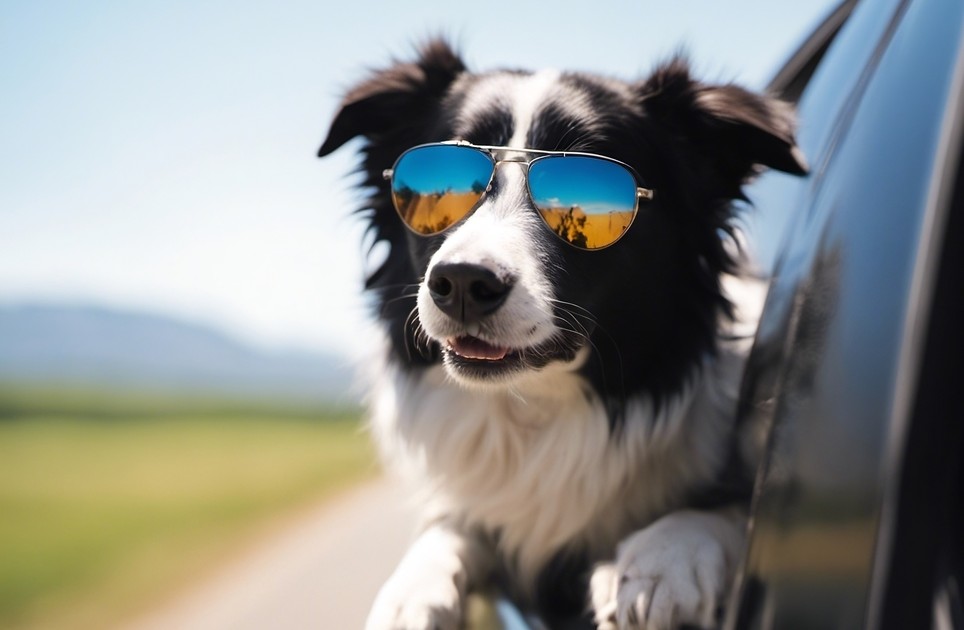
You must be wondering why do border collies lick so much. I’m sure it happened to go see a friend and as soon as you opened the door a dog came out and started licking your face like crazy. Or maybe you yourself have a dog that has to lick you every time you come home or when you pet him. This is a habit that all breeds have, even border collies. What you must know is that it’s absolutely normal for a border collie to lick, because it’s his way of greeting you, although not everyone thinks the same. That’s why you should never punish him for this.
Why do border collies lick so much?
Border collies use their tongues in order to investigate the environment they live in. That’s the reason why this part of their body is vital to them. They use it to taste food, discover new animals and people, and show their love. But, sometimes excessive border collie licking can be rather annoying when he suddenly comes out of nowhere and starts showing his affection.
For this reason, you should start understanding your border collie licking habit. Most of the time it means that he’s affectionate, but the meaning is not always the same. It could also be a sign of various behaviors. You just have to observe its licking and figure out the cause.
Do border collies lick a lot?
As stated before, a border collie would normally lick because he wants to be affectionate and show his commitment and love. You can realize this because his body is relaxed and he has a happy and joyful mood. The dog could also lick because he’s anxious or stressed. In case he feels unhappy because of a certain problem, he can be obsessive with such behavior. To help him get rid of this habit you can take him out to do more exercise or you can pay him more attention. In some rare cases, the dog can also lick people because he’s spoiled.
But why do border collies lick so much is there can be with excessive licking? A border collie licking can also be the cause of some health problems. This may happen because you don’t give him enough water or the food you give him doesn’t have enough nutrients. Try to include more vitamins in his diet and always provide him with fresh water daily. He may also have ticks or worms. This often causes skin irritations that make him lick others.
To avoid this you have to always give him worming treatments. Learn how to deworm your dog or puppy. For some people, not precisely the owners but the visitors or friends, a border collie licking can be quite disgusting. They often think that the dog’s bacteria can easily be transferred to them and thus get certain diseases. That’s why you should try to change his behavior. You cannot stop him from licking, but you can limit this habit. That depends of course, on the reason.
What you can do is come home a little earlier or just find some free moments to give him some play time, grooming and exercise. In case the border collie licks you because he’s happy let him do it and don’t punish him. But, if you really don’t like it you can change your body language and the dog will immediately understand. For example, you can walk away or you can say a “No” command every time he wants to lick you. Be calm, don’t shout and have patience until your border collie finally understands.
why does my border collie lick me so much? If you are annoyed and start asking this then remember that this is their natural behavior. However, if he is licking you much more than usual try to figure out the reason and then solve the problem.
Source by Nelly Katz
Feb 4, 2021 | Pet Basics 101, Pet Health, Veterinarians
Health is wealth
The current health of your cat or dog often determines his or her overall health in the long run. The sooner you ascertain the health of your pet, the easier it will be for you to predict what your pet might face in the future, health wise.
Declining health maybe of natural causes or accidents. Whatever the cause, you should be prepared beforehand just in case the unthinkable happens.
A tiny droplet does amount to something
Over time your pet becomes an integral part of the family that goes without saying and sometimes your best friend as well; money stowed away now will come in handy for their future. You just pay a premium amounting to a few notes out of your pocket each month which will benefit you and your pet in the long run. So, the next time you see the long bill and it is almost always a long one, you won’t be left floundering.
Costs for pet healthcare are on the rise
Technology is becoming better as time lapses, which is why healthcare services for your four pawed companion is becoming expensive. Besides this, some machines often require specially trained staff to operate them and it is you the pet owner who bears the brunt of this additional cost. So, it is always wise to apply for insurance beforehand.
How insurance helps you and your pet
The expenses incurred for obtaining healthcare expenses at one go can be a source of anxiety for some; you might not have money in hand right at that moment. In some cases insurance might be mandatory if the breed you own is the fragile kind; your vet might recommend one for your pet, if he doesn’t you can always discuss it with him.
Tackling emergencies made easier
Times of crisis seldom come knocking. It’s better to opt for insurance at the earliest so you are saved that frustrating moment of nail biting when the digits on the bill stare coldly at your face.
What should you do?
Consider doing some researching on your own to make sure you’ve got the right insurance plan for your cat or dog, else your pet’s vet is a good advisor. Also, everything ought to be clearly spelled out by the insurance provider; from what the insurance covers and the limitations of the insurance. In that manner you will be spared any last minute surprises when you are need.
Source by Holly Gough

Feb 3, 2021 | Dogs, Featured, Golden Retriever, Pet Health, Puppies
How to tell if a golden retriever is pregnant? Golden retriever pregnancy is a very special condition for your dog so you need to know the basics of it. Let’s have a look at what to expect from it, the risks, and the stages of golden retriever pregnancy.
Common question, “how long are golden retrievers pregnant for?”
Pregnancy in all dogs, and Golden Retriever pregnancy time is not an exception, lasts for 63 days. This term may vary by 5 days and Golden Retriver actually tend to give birth earlier. It is important to note the date you were breeding your Golden  Retriever to provide the veterinarian with valid information and to be prepared for whelping. Have a look at the things you should consider before start breeding golden retrievers.
How long is a golden retriever pregnant is always up to the dog.
Golden retriever pregnancy signs:
At the fists stage, your Golden might become more affectionate than usual. She may start following you wanting to be petted all the time. However, some dogs on the contrary are happier to be left alone. Loss of appetite and the dog equivalent of “morning sickness” are other signs of golden retriever pregnancy.
However, after the first several weeks these symptoms go and pregnant golden retriever becomes playful like always. The main symptom here is an appetite. She does not only regain her appetite but starts eating really a lot. There is no need to introduce puppy food or vitamins into her diet. Actually, you shouldn’t do it under any circumstances! Changes in diet in pregnant golden retrievers are very dangerous because they may lead to the development of milk fever, a potentially fatal disorder that develops very rapidly.
Just feed her with regular high-quality adult dog food and give her as much food as she wants. If you still feel you need to add some other type of adult dog food, mix it gradually with regular food during the week to avoid an upset stomach. It’s a good idea to grant your pregnant Golden Retriever unlimited access to her food. She really needs to eat a lot and her stomach just can’t hold enough food at once because of her pregnancy. So it’s better if she eats less but more often. And don’t worry if she has a tendency to overeat, in golden retriever pregnancy, this habit normally goes away.
Last two or three weeks OF Golden Retriever Pregnancy
Until the last two or three weeks, there is no need to limit your Golden Retriever in physical activities. The only thing to avoid is long walks and long-distance running. However, in the last two weeks, you need to be very careful not to let her bump her belly. Otherwise, pups may be knocked off the uterus wall and their development will stop. As a result, you’ll have stillborn retriever puppies.
It is interesting that the size of the belly depends on the position puppies are situated. Sometimes you won’t be able to tell if the dog is pregnant until the last ten or twelve days. In the last days before the birth, she might start throwing up the water she’s just drunk. You may also feel or see milk coming from her nipples. However, that’s normally not the case with first-time dog mothers.
Deworming, worming, and vaccinations are highly not recommended during the Golden Retriever pregnancy. If it’s time for the annual vaccination — just wait till she gives birth, it’s safe to do when she’s nursing. If you still need to do dog deworming you should consult with your vet for pregnancy-safe treatments.
Average Size of Golden Retriever Litter
Golden Retriever Litter size depends on the breed of the dog. Larger breed dogs have larger litters. The average litter size of golden retrievers is around eight. There are a number of factors that affect the litter size. Some of them are genetics and parents’ overall health. Keeping all factors in focus the Golden retrievers can have puppies between 4 to 12. The first litter for golden retrievers is smaller. The litter comes after that is bigger.
Preparing for Whelping
Alright, let’s get you and your pregnant golden retriever is ready for the big day! First off, prepping for whelping (fancy talk for ‘puppy delivery day’) can be a bit nerve-wracking, especially if it’s your first time. It’s perfectly normal to have a million questions! Imagine this: you’ve got a comfy spot all ready, a little “nest” where she feels safe. Think low-light, soft blankets, maybe even a bit of music—yes, some dogs respond well to calm music just like we do.
From experience, the key here is making her feel like it’s her own space. It’s kinda like setting up the best-ever pillow fort but for your expecting fur-mama. This safe area will help her stay calm as labor kicks in, plus it minimizes the chances of stress-induced complications, which can be a risk factor.
Things You’ll Need in Golden Retriever Pregnancy Whelping Zone:
- Soft, washable blankets (let’s be real, things can get a bit messy)
- Plenty of fresh water nearby
- A low “privacy wall” to make her feel enclosed but still visible
- Puppy pads to help with clean-up (trust me, you’ll thank yourself later)
- Gentle lighting (think of the glow of a nightlight rather than bright overheads)
Safe Exercises for Pregnant Retrievers
Now, exercise for your pregnant golden retriever isn’t about high-speed runs or long, exhausting hikes. We’re talking gentle, regular movement—just enough to keep her muscles strong, circulation going, and energy balanced. My golden, Lemme tell ya, short morning strolls around the block? They became golden hours between your golden retriever pregnancy days.
Safe Activities for Pregnant Golden Retriever:
- Slow, Steady Walks: Think of a few 10-15 minute walks a day. The idea here isn’t calorie-burning but just keeping her moving. Walking also helps digestion, which can be an issue in late pregnancy.
- Light Fetch (If She’s Up for It): Gentle fetch in a confined space, like your backyard, can be great for mental stimulation without overworking her body. Just a few tosses—enough for her to enjoy but not so much she’s panting.
- Swimming (If She Loves It): Did you know that swimming is a fantastic low-impact exercise for pregnant dogs? It’s easy on the joints and lets her get in a good workout without straining her belly. Just be mindful of temperature and make sure she’s comfortable.
Key Takeaways:
So how long are golden retrievers pregnant? A Golden Retriever pregnancy lasts for 63 days. During this time, your dog may experience a number of changes, including:
- Increased appetite
- Weight gain
- Enlarged nipples
- Nesting behavior
- Increased affection or irritability
It is important to provide your dog with a healthy diet and plenty of rest during pregnancy. You should also take your dog to the veterinarian for regular checkups.
Here are some tips for caring for a pregnant Golden Retriever:
- Feed your dog a high-quality, nutrient-rich diet.
- Increase the amount of food you give your dog by 25-50%.
- Offer your dog small, frequent meals throughout the day.
- Provide your dog with a comfortable place to rest.
- Take your dog for short walks, but avoid strenuous exercise.
- Schedule regular check-ups with your veterinarian.
With proper care, should have a healthy Golden Retriever pregnancy and deliver healthy puppies.
Source by Archie Right, American Veterinary Medical Association (AVMA)
Frequently Asked Questions
How can I tell if my Golden Retriever is pregnant?
Look for early signs like a decrease in activity, a slight increase in appetite, and possible behavioral changes such as increased affection. As the pregnancy progresses, her belly may start to grow, and nipples will become more prominent.
How long are Golden Retrievers pregnant?
Golden Retrievers are typically pregnant for about 63 days, though the pregnancy can last anywhere from 58 to 68 days.
When can a Golden Retriever get pregnant?
A Golden Retriever can get pregnant as early as 6 months old, but it’s best to wait until she’s around 18 to 24 months for a healthier pregnancy.
How can I care for a pregnant Golden Retriever?
Provide a nutritious diet, keep her at a healthy weight, and avoid strenuous activities. You may also want to set up a quiet, comfortable space for her as she approaches the later stages of pregnancy.
What are the risks of Golden Retriever pregnancy?
Like all pregnancies, there are some risks. These can include complications with delivery, especially if the mother is very young or old. Regular vet visits can help monitor her health and manage any potential risks.
Is your Golden Retriever Pregnant?
Here are some essential tools for your golden retriever pregnancy:
Feb 1, 2021 | Dogs, Pet Basics 101, Pet Community, Puppies
As a lifetime dog owner and a breeder for several years myself, I’ve found a great need for educating people in the process of purchasing a puppy online. There are so many breeders with so many options, it can all become overwhelming in a short period of time. I do support local shelters but I realize that there are many families out there that want a healthy puppy that was raised around kids to add to their family.
If you have decided that a puppy like this is what you want for your family, then you will have an adventure finding the right one for you. After you’ve decided which breed is right for your family, you need to find a breeder. You can email your prospective breeder initially, but be SURE to speak with them soon after beginning communication. You can tell a lot by the person’s attitude and you will soon know if they are knowledgable and experienced in what they are doing by asking a few questions. Here is a list of questions to ask before anything else:
1. Are you state-licensed?
– If a person is not state-licensed, then they are breeding dogs as a hobby or illegally. You want to find a puppy that has had research and planning gone into its breeding, not just two dogs thrown together to produce a puppy. If they are not state-licensed, don’t consider them. Many states have or are in the process of greatly improving their dog laws so in many states, it’s impossible to run a puppy mill and be licensed.
2. Is this your full-time business?
There are many breeders that have OTHER full-time jobs besides their kennel. This makes it nearly impossible to focus on their dogs and puppies properly. At our kennel, we have my husband and I working full-time, as well as two part-time employees. Mostly likely, if your breeder has another job, their kennel isn’t a top priority and your satisfaction is not top priority, either.
3. Do you only sell puppies bred by you?
There are many, many people advertising on the internet for other people and you never get to see where your puppy was bred and raised. If you can’t physically see the parents of your puppy, then don’t purchase it. This is especially important when purchasing a designer (mixed) breed since so many people think they can get away with breeding anything and then attaching a designer’s name to it.
You also don’t want to support a puppy mill unknowingly by purchasing a puppy from a dealer. Many times the reason that people don’t sell their own puppies is because they have something to hide at their own place or they don’t want to be responsible for any future issues. A good breeder will stand behind their puppies and offer a decent guarantee. If there is no guarantee with your prospective puppy, stay away!
4. Do you wholesale your puppies?
There are quite a few puppy mills out there that are retailing only some of their puppies and then sending the rest to pet shops, sometimes all over the country. A good breeder will meet, or at least speak to, every new puppy owner. Responsible breeders care about their puppies and where they go. A good breeder will also offer to take the puppy back throughout its lifetime rather than the puppy or dog going to a shelter due to the inability to care for the puppy.
5. Are your puppies AND adults vet checked regularly?
I’m appalled at the number of breeders who do not get their puppies or adults vet-checked. This is the single most important step to take to ensure a healthy puppy is being produced. Even breeders that get their puppies checked do not bother to get their breeding dogs checked. EVER. To offer the best quality puppy, healthy parents are a MUST. Ask for proof of the parent’s vet reports. You may not think you need to ask, but make sure the puppies have all applicable vaccinations and de-worming and ask for proof.
6. Can I see the place where your dogs are kept?
An irresponsible breeder will tell you no. You may not necessarily be allowed into a kennel for several reasons, including Bio-Security and health reasons, but you should at least be able to see the adult dogs.
7. Do you have references from past customers?
This is a very important step. Don’t overlook it!
There are many more questions to ask your potential breeder. If your breeders show signs of good communication and willingness to help you on your quest and try to work with you, you have found something special. Quick responses mean they care about you and would like to help. No email responses or phone calls returned probably means that you will not get questions answered after the sale either. Don’t expect immediate responses because responsible kennel owners are extremely busy, but 24 hours is a reasonable expectation.
Stay away from dealers and websites with 800 numbers.
They are advertising for who knows who and are probably putting a huge mark-up on the puppies. Also, beware of websites offering 10-year guarantees. This seems too good to be true and it usually is. Read the fine print and see their outrageous requirements for this guarantee to be in place. Pet shops are out of the question.
As cute as the puppy seems, refrain yourself because you could be signing up for a lifetime of heartache and vet bills. You most likely are supporting puppy mills by purchasing from a pet shop anyway.
When you go to the kennel to meet the puppy and the breeder, if you have a gut feeling that isn’t good when you get there AND when you leave, stick with it.
Despite all the risks and heartache that can be involved in purchasing a puppy online, many good, responsible breeders offer quality puppies and lifetime support. Don’t be afraid to buy online, just be smart!
Source by Alana L Snook
Feb 1, 2021 | Allergies, Dogs, Skin & Coat
Does your dog have dry itchy skin that he just can’t stop scratching? Is he relentlessly biting and licking these areas with no relief in site? By now, more than likely you’re feeling helpless with you dog’s itchy skin problem. You know there’s just got to be a simple solution that doesn’t involve dragging your dog to the vet and paying a high priced doctor’s bill.
Well…you’re right! There ARE some simple solutions to a dog with dry itchy skin. After all, it’s a VERY common problem. Here I’ll be giving you some great tips that will give your dog (and you) the relief you’ve been searching for. Let’s get started!
It can be a bit intimidating at first, trying to cure a pet’s health ailment. Don’t let your lack of knowledge on the subject intimidate you. You don’t have to be a veterinarian to solve MOST itchy skin conditions in dogs. You simply need to know what safe treatments you can start implementing and go from there. Here, I’ll be giving you my top two favorites:
The Shampoo Factor: Shampoos can work FOR or AGAINST a dog with itchy skin. It really all depends on root cause of the itch. For instance, if he’s suffering from fleas (flea allergies cause the insatiable itch), you’ll want to pick up a reputable flea & tick shampoo. He’ll feel relieve INSTANTLY as most flea shampoos kill the fleas within 24 hours of application.
Shampoos can also work against your dog when it comes to itching. If your groomer is using a particular brand, you may want to investigate. Perhaps you’re taking him to the groomer too often. See, whenever your dog has a bath with shampoo, the oil from his fur is stripped and a drying effect takes place on the skin. This can cause itchy dog skin but the solution is much simpler than the former scenario. You can either give him less baths or…
They do make dog dandruff shampoos which moisturize itchy dog skin. Try this out if you’ve already eliminated the possibility of fleas, rash, infection or a sore as the cause of the problem. Moisturizing his skin with one of these shampoos is a nice easy fix.
Soothing Solutions: Aloe Vera works especially well on “hot spots” (sores). Hot spots are incredible itchy patches of irritated skin. They usually occur when a scratch on the skin becomes minorly infected. Applying a dab of aloe vera to the spot will immediately soothe your dog. You can also dissolve Aloe Vera in a spray bottle with water. Spray the solution on your dog’s coat to give him FAST relieve.
Emu Oil is another natural substance that relieves irritated skin. It’s used best with skin irritated by ringworm, flea bites and hotspots.
Finally, Petroleum Jelly works wonders on patches of itchy dog skin. It can get a bit messy, so just put a dab on. I prefer using this solution for hotspots. It’s a nice way to prevent the dog from further infecting the area and allowing the sore to heal. Petroleum Jelly is less effective for a recurring issue such as a flea infestation.
Source by Lisa Whitaker
Jan 31, 2021 | Dogs, Flea Prevention For Dogs, Fleas, Pet Pests
Pet parents always follow proper guidelines and regime to ensure the optimal health of their furry companions. And, when it comes to pet supplies, they look for quality, efficient and affordable treatments. The major pet products or treatments that most pet owners search for are flea and tick treatments. With a plethora of the parasitic preventives available on the market, there is always an air of confusion lingering in the minds of these pet parents.
Well, to clear this mist, bringing the clear vision, here come the best preventive treatments for dogs. Nexgard, a recent addition to the palate of pet treatments, is the best option for protecting pets against harmful parasitic infestations.
Within a few years of its launch, it has emerged as a winner by effectively removing fleas and ticks from dogs. Dog parents are highly satisfied with the efficacy of the product.
Within a short span of time, Nexgard has become the first choice of both – vets and pet owners. It is the first beef flavored chew to remove external parasites from dogs. It comes at an affordable price with the best results. Here are a few important facts you need to know about Nexgard.
• This is one of the best soft chew tablets to remove nasty parasites.
• The fast acting formula protects your dog from flea and tick infestation for one full month.
• This beef flavored soft chew is approved by FDA and it is completely safe for the dogs.
• It can also be given to the puppies of 8 weeks and older. It is necessary to weigh your dog before selecting the product.
• You can give this to dogs irrespective of any breed.
How it works?
• Afoxolaner, an active ingredient directly attacks the nervous system of these external parasites. The active ingredient over stimulates the nervous system of these parasites and easily removes the parasites from your dog.
• It restricts the production of flea eggs and prevents flea multiplication and controls newly acquired fleas.
Fast Acting Formula
• It starts working within 8 hours of application and removes fleas and ticks. It removes all the fleas within 24 hours of administration.
Dosage And Safety
• Nexgard comes in four different colored packs. Before selecting a product you need to weigh your dog. You need to buy the product according to your pet size.
• It can be given directly into the mouth of a dog or you can mix it in your dog meal.
• The product is for dogs only. Using this product on a cat may create side effects like dry skin, vomiting, diarrhea, loss of appetite and fatigue.
• Do not use this treatment on pregnant or lactating dogs.
From the above information, it can be said that Nexgard is the best, safe and affordable as well as the easiest way to remove fleas and ticks from your dog.
Source by Eugene Hix
Jan 30, 2021 | Dog Parks, Dogs, Pet Basics 101, Social Dog
I really do not hope your are eating something, but did you know that you can get a fake dog pile in long or round bits for a joke. My younger son had initiated this research of mine, by asking why I pick up the dog’s business, even though he had done it on the grass.
As a slight diversion, I found out that the meaning of pepper – our westie dog -is “An animal full of zip” Believe he has plenty of zip if you are trying to get him into the bath.
To get back to the topic in hand (sorry that was a bad turn of phase), please be responsible and try and clean up after your dog. There are a number of diseases and illnesses that can be caused by contact with dog poo. One is stomach upsets, but the most important is Toxocariasis.
Toxacra can infect young children, if they play in an area, which has been infected by dogs, and they then put their fingers in their mouths. The infection is very serious and can cause eyesight damage or even blindness. Although, the Toxacra infection is very rare, even one case is one too many.
So please help by worming your West highland white terrier (westie) on a regular basis and also disposing of dog poo quickly and safety.
One again, apologies if this subject hasn’t spoiled your food. Please appreciate the serious issues involved.
(Disclaimer: Any information contained in this site relating to various medical, health and fitness conditions of Westies or other animals and their treatments is for informational purposes only and is not meant to be a substitute for the advice provided by your own veterinarian. You should not use the information contained herein for diagnosing the health of any animal. You should always consult and check with your own vet or veterinarian.)
I do hope that you have found the article of use to you.
Good health and happiness
Source by Jeff Cuckson