Guinea fowl are native to Africa. There are many diverse types of guinea. They are often used to manage against being overrun with ticks, fleas, grasshoppers, and a host of other insects. Because of their independent and wild nature, guinea fowl are an easy addition to any farm. Free ranging guineas use most of their time foraging. They will seldom peck at a cultivated plant, they much rather eat insects, weeds, and weed seeds. They work as a group going through an area consuming any bug they stir up.
They are less trouble to have than other fowl. This is because guineas prefer freedom to being regimented. They are somewhat a natural semi wild bird and have not been commercially developed and “improved” as have chickens. As babies (keets) you should however handle them a lot upon receipt if you wish them to be calmer as they grow up.
There are several reasons to raise guinea. This includes:
1) Guineas do not bother the garden or flower bed like chickens do. Guinea Fowl do not scratch much like chickens do..
2) They are expert at searching out all kinds of insects and help control insect populations. They can help keep your property pretty much pest free without the use of harsh chemicals.
3) They generally do not eat the vegetation and it is OK to leave them in the garden. Guineas will eat grasshoppers, ticks and any other garden pest..
4) The guinea can be used like a watch dog in alerting the farm residents from intruders with its loud, ruthless, cry and its confrontational disposition. Guineas are extremely alert and suspicious birds. Nothing goes unobserved in their surroundings.
Using guinea fowl to control insects
Guinea fowl can help manage tick populations and eat other harmful insects. The Guinea fowl’s tick and bug exterminating abilities are one of the main reasons lots of people are now beginning to keep Guinea fowl. While no one can promise guinea fowl will eat every individual tick on the property, people who have them claim that they seldom find ticks.
Guinea fowl are guineas are very vocal and their loud cackling cries can make a loud serenade.They can be a pain in the neck as well as a source of entertainment but as for getting ticks that are potential carriers of Lyme disease as well as other insects they are hard to beat. They serenade with a resounding buckwheat call. It is generally worth putting up with their cackling and antics in exchange for helping control your property from ticks, fleas and other pest. Using guinea fowl to control ticks that may carry lime disease on the blueberry farm makes a lot of sense.
They are an invaluable source of chemical free pest control. While you cannot guarantee guinea fowl will eat all the ticks on the property they do significantly reduce their numbers.Guineas are a good non-chemical means to help rid your yard of ticks, fleas, grasshoppers, Japanese beetles and other insects. These birds are the definitive low-cost, chemical free insect control method.
They bond with where they are raised and it is important to keep them confined to this area while they are young. Let them roam free on the property after reaching maturity. This is especially true if guineas are being used for insect control. They will need a supply of clean drinking water. You will need to use supplemental laying turkey mash and seed if you want them to stay close to their residence. Usually this is given to them in the evening to help get them into the barn or other area where they can roost. You can train them to stay closer to their residence by as long as some feed is kept in a standard location.
They will seldom peck at a cultivated plant as they much prefer insects, weeds, and weed seeds.The guineas are reasonably well-behaved in a garden while chickens are often destructive to the flower beds and garden. Guineas are entertaining and much more intelligent than the domestic chicken and not as effortlessly restrained. They maintain some of their wild manners as they have never been commercially developed like chickens. Guinea fowl are superb insect hunters that provide a great alternative to spraying toxins. They are also amusing to watch and listen to. Allowing Guineas to wander through your blueberry patch and garden can be a huge help. Droppings will ultimately decompose and enrich the soil enrichment. Of superior service is the insect control they provide. Guineas will eat ticks and any other garden pest. They don’t usually eat the plants and are safe to have in the garden.
Guinea fowl for meat
There has been a growing demand for guinea fowl. A young guineas meat has a fine flavor and is tender. It resembles that of game birds. It has been use as a substitute for game birds such as pheasant, quail and partridge on the menus of some upscale restaurants. Their meat is all dark and highly prized by many restaurants. One variety the, Jumbo Pearl, is gray and bred to produce more meat and weighs 5 to 7 pounds. It will mate naturally and does not have to be artificially inseminated to get fertility.
Guinea is frequently called “poor man’s wild game” such as pheasant because it tastes similar to pheasant and at significantly less cost. Guinea fowl has a flavor that is similar to that of other game birds. The Guinea meat is lean and its nutritional characteristics make it a valuable addition to the diet.
Conclusion
Guinea fowl are a cost-effective way to have chemical free insect control while providing entertainment and gourmet food. They can serve as the properties sentinel
Dog owners often ask, why do dogs bite their tails?
Unlike the tail-chasing phenomenon which is quite harmless, tail-biting can prove to be a little dangerous for your four-legged friend. Hence as a dog owner should you see this behaviour repeatedly in your dog try to stop him by using methods best suited to both you and your dog.
Although there could be various reasons why a dog biting its tail. Some of the common ones are listed below.
1. Skin infections
This is the most common answer to why is my dog biting its tail. Skin infections can cause discomfort and itching sensation on the tails hence to relieve that discomfort a dog will chew on his tail. Take your dog to a vet for a proper examination of the tail and get the infection treated.
2. Wound/Injury
Sometimes while playing a dog might injure himself which becomes a cause of irritation and discomfort to him and to get rid of that pain the dog will either lick his tail or chew on it. This will worsen the situation, hence if you find your dog biting his tail, talk to him in a soothing voice to calm his nerves, and then try to see what the cause dog to bite his tail. If it is a wound clean it with lukewarm water and cotton and take your dog to the vet for treatment.
3. Docked tail
Tail docking is a procedure whereby groomers or vets cut the nip of the tail of purebred dogs to conform to a breed standard. However, sometimes what happens is that while tail docking some of the nerves is also cut which induces pain in that area thus causing discomfort to the dog and thus making him gnaw his tail. Talk to the vet for the best possible advice on this.
4. Fleas/ticks
Fleas or ticks are another reason why dogs chew their tails. Examine the tail and watch out for fleas and ticks and spray some anti-tick powder after thorough grooming of your dog. This will soothe his irritation and he will not chew on his tail.
5. Fractured tail
Tail fractures are very common in dogs, especially in dogs with big tails. Tail fractures happen when a tail gets stuck in a door, or someone steps on it accidentally. It is another very common reason why do dogs bite their tail. Take your dog to the vet for treatment before it becomes bad.
6. Hunting instinct
Dogs are born hunters and it is this instinct which makes them chase their tails and if and when they finally catch hold of it to chew on their tails. However, as a pet owner, you should remember that while tail chasing is not dangerous for your dog but biting his tail is. So make efforts to stop this behaviour by getting your dog to wear a collar.
7. Compulsive behaviour
Some breeds of dogs are prone to tail chasing and tail biting. The result is a vicious circle wherein a dog bites on his tail to get rid of irritation, however, biting results in more irritation, and thus increased biting. You can talk to the vet regarding it and put a collar so that he is not able to bite on his tail.
8. Previous trauma
Another reason why is my dog biting his tail could be because of some previous trauma or wound he suffered on his tail. Sometimes the wounds heal but the pain remains and it could be this pain that causes your four-legged friend to chew on his tail. If you have just bought a puppy inquire about any trauma or wound that the dog has suffered so that you are better equipped to deal with his tail-chewing phenomenon.
In all these above-mentioned reasons the common thing is irritation in the tail. So if your dog is biting on his tail remember that there is some irritation or pain that your dog is trying to get relieved of. So now that you know it is the irritation that causes your dog to bite his tail the next step should be to identify the cause of that irritation.
Why Dogs Bite Their Tails: Behavioral Reasons to Watch Out For
Sometimes, it’s not just a quick itch or a flea that’s got your dog going at their tail. Here are a few behavior-related reasons that might be behind all that tail-chewing:
Boredom – Just Plain Old Boredom! Ever feel restless with nothing to do? Dogs do too! When dogs don’t have enough to keep them busy, especially high-energy types like Border Collies or Jack Russells, they start looking for something to fill their time – and sometimes, that “something” is their own tail. It’s like when we twiddle our thumbs or bounce our legs! Giving your dog more playtime, daily walks, or a fun puzzle toy could be just what they need to stop the tail-chewing.
Stress and Anxiety – They Feel It Too Dogs pick up on stress just like we do. Changes in their routine, loud noises, or separation anxiety (yep, dogs can miss us a ton!) might lead them to chew their tails as a way to self-soothe. Maybe your pup is stressed from moving houses, a new pet, or just the usual hustle and bustle of home life. Look for other signs, like whining, pacing, or chewing up things they shouldn’t. A vet or pet behaviorist can help with training or calming aids to ease their nerves.
Compulsive Behavior – When It’s Hard to Stop Sometimes, tail-biting isn’t just a habit; it can turn into something like an obsession. For dogs, this behavior might even be linked to their breed, especially the smarter, high-energy ones. If your pup can’t seem to stop, it could be a sign they need extra help to manage this compulsive behavior. A vet can work with you on this, maybe with a mix of training, environment tweaks, or even meds in certain cases.
When to Call the Vet?
Not sure if it’s time to get some help? Here’s a quick list for when a vet visit might be a good idea:
If your dog’s tail-biting is getting out of hand or happening all the time.
You spot any redness, swelling, or smell something funky (infection alert!).
They’re hurting themselves or losing fur from dog chewing on tail so much.
You’ve tried keeping them busy or easing their anxiety, and it’s still happening.
AVMA might say something like: “Tail biting is often linked to underlying medical issues such as allergies, infections, or external parasites. If left unchecked, it can lead to chronic problems.” (Source: American Veterinary Medical Association).
How to Prevent Dog Chewing on Tail: Practical Tips and Solutions
If you’re tired of seeing your dog bite at its tail, there are several steps you can take to prevent the behavior and keep your pup happy and healthy. Here’s a breakdown of what you can do:
Provide Enough Exercise and Mental Stimulation Just like us, dogs get restless when they’re bored. A tired dog is a happy dog (and a dog that’s less likely to chew its tail)! Make sure your dog gets enough exercise—daily walks, runs, or even doggie playdates can help burn off energy. Puzzle toys or treat-dispensing toys can also keep their brain engaged.
Use Chew Deterrent Sprays Sometimes, a little bit of help from a product can make all the difference. You can try using a chew deterrent spray, which tastes bitter or unpleasant to dogs. A few sprays on their tail can make the habit less tempting. Brands like Vet’s Best Bitter Cherry Spray or Grannick’s Bitter Apple are popular choices.
Introduce a Cone Collar (Elizabethan Collar) If your dog can’t seem to stop biting their tail, a cone collar might be necessary to prevent further damage and allow healing. It might look funny, but it’s effective! This temporary measure ensures that your dog won’t be able to reach their tail to chew it.
Address Underlying Health Issues If your dog is biting their tail because of a skin issue, allergy, or infection, treat the root cause. Regular vet visits and the right treatments, like flea control or anti-itch sprays, can help prevent tail-chewing behavior triggered by these conditions. Don’t hesitate to ask your vet for specific products tailored to your dog’s needs.
Behavioral Training For dogs with anxiety or compulsive behaviors, behavioral training can help. You can work with a professional trainer to teach your dog better ways to cope with stress, anxiety, or boredom. Positive reinforcement can also be helpful—reward your dog for staying calm and not chewing on their tail. Training might take time, but with patience, it can make a big difference.
Keep Them Busy and Distracted Sometimes, all your dog needs is a distraction. Chew toys, bones, or interactive toys can keep them occupied and prevent them from turning to their tail. You can even try long-lasting chew treats like Bully Sticks or Kongs filled with peanut butter (just make sure the treats are safe for your dog’s size and breed!).
Dogs bite their tails because of itching, allergies, boredom, or stress. Puppies sometimes do it while playing. If it happens a lot, it’s a good idea to check with a vet.
How do I stop my dog from chewing its tail?
To stop your dog from chewing its tail, first figure out the cause. Check for fleas or irritation, reduce any stress they might have, and keep them engaged with toys or activities. If the chewing continues, talk to a vet to rule out health problems.
Is it normal for dogs to bite their tails?
It’s common for dogs to bite their tails occasionally. But if they do it a lot, it could be a sign of an issue, like itching, boredom, or anxiety. A vet should check regular tail-biting.
Why does my dog chew its tail until it bleeds?
If your dog is chewing its tail until it bleeds, it may have a severe itch, allergy, or even an injury that needs attention. Take them to the vet to find the cause and get treatment to prevent infection.
Can allergies cause dogs to chew their tails?
Allergies can cause itching, which may make dogs chew their tails. Common allergens include pollen, certain foods, and flea bites. A vet can help you identify and manage these allergies.
Recently, my family dog, Chief Running Rug or ‘Rugs’ for short, came in from her afternoon romp in the yard, plopped down and began to feverishly scratch behind her ears. Feeling like my job as ‘the ear scratcher’ was being usurped I bent down to reclaim my role. Suddenly I felt a crawling sensation on my wrist. Upon closer inspection I gasped… fleas!
At first I was in shock. I deal with flea cases all the time with my customers, but have never had one myself. I felt guilty for unknowingly allowing my family pet to suffer this way. I wondered how long she had them. Then I started thinking… how bad was it? Did my cats have fleas? Where could they have come from?
I was intimately familiar with this foe and knew what had to be done. For some reason I couldn’t shake a feeling of responsibility, like it was my fault Rugs had picked these fleas up. Just as quickly as those rueful thoughts surfaced they were replaced with a sense of peace knowing that I could and would take care of the fleas quickly and in the best possible way. Even if it was somehow my fault, at least I knew I could correct it!
The next day I realized that the entire situation would have been unbearable without my experience and access to information to fall back on. I would have been frantic for a solution and concerned about my pets and family. I can imagine being confused about how to proceed. That’s when it hit me… this week blogs post should be about what to do when fleas attack! That way our customers will have the same peace of mind I felt that can only come from knowing exactly what you need to do when your family is under siege by fleas.
The treatment:
I quickly formulated a plan of attack and executed it with precision.
First, I went to the pantry where I keep my companies line of RESULTS products. I grabbed a couple pounds of RESULTS Flea & Tick killer and went out back with a determined scowl on my face. This was war; the fleas had made the first move, now it was my turn. I hooked up the hose end sprayer, mixed RESULTS at the proper ratio and proceeded to spray my backyard from top to bottom paying special attention to the bark chips in the flower garden where I knew fleas loved to hide and breed.
Immediately following the backyard treatment I went inside and proceeded to sprinkle RESULTS on my dogs’ bed and the carpet in the house. I also treated the baseboards and corners of rooms without carpet. I left this down while I ran a bath for Rugs. I mixed some of RESULTS into the bath water and gave her a gentle and complete scrubbing using the treated water. Fleas were instantly falling dead everywhere. I was winning the fight.
Next, I went back and vacuumed up the powder I had applied earlier and checked my cats for any fleas. Thankfully there were none. I must have caught the infestation before it got out of hand.
I’ll continue treating the carpets, my backyard and Rugs for the next few weeks, but the fleas are gone and Rugs is at peace. I’m just glad that when fleas attacked, I was ready.
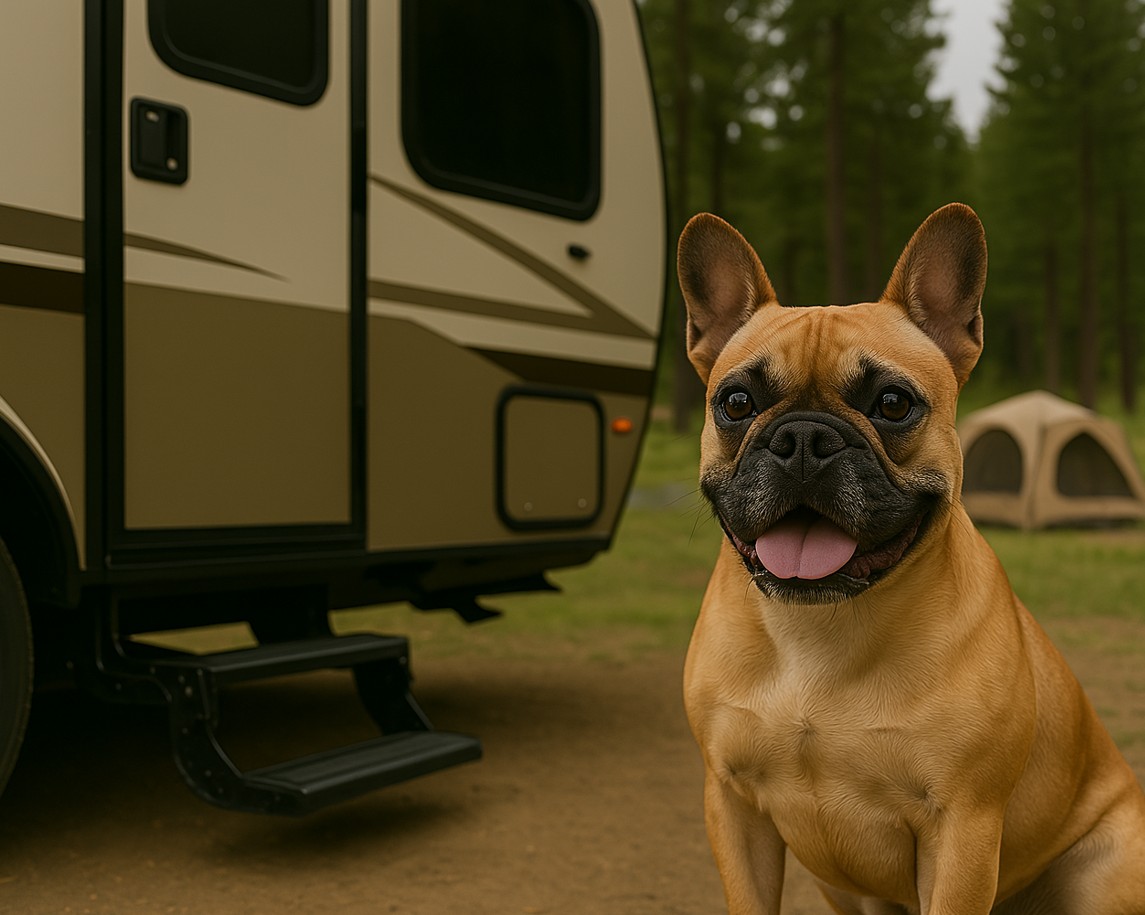
Have a pet-friendly travel RV? For those of you who already own an RV, you know that it gives you the best of both worlds: the freedom of the open road while traveling with the amenities of home. RV owners love the ability to explore the world on their own terms and there are many more people hopping on the RV train. Recreational Vehicle sales for 2010 are already at $559.1 million dollars, up an astonishing 79% from last year.
The summer season is the best time to pack up the family for a fun-filled road trip – and of course this includes your dog or cat! Here are some ways to prepare for your pet travel adventure to ensure that your pet enjoys the trip just as much as you do.
Pet Proof Your Pet-Friendly Travel RV
Even if your pet’s puppy or kitten days are long gone, it’s important to make sure the RV is ready for your pet in order to keep the vehicle in good condition. In the event of an accident (which is possible in new surroundings), you may want to wrap table legs in plastic and have towels, rags, and cleaners on hand to resolve messes quickly. If your dog is normally allowed on the furniture, covering the RV furniture with a slip cover or fabric can help combat hair and dirt. A dustbuster or portable vacuum cleaner is also a great idea to keep up with debris.
Be aware of various items that are in the open and in your dog’s path. Make sure extension cords cannot be chewed on and that cleaning supplies and insect repellents are out of reach. Even if your dog doesn’t engage in these behaviors at home, when the dog is first getting used to your motor home her behavior may be a bit unpredictable. Before the trip, bring your dog inside the RV multiple times to familiarize her with the space so it’s not a complete surprise that she’ll be spending an indefinite amount of time here.
Pet Travel Safety Restraints
The pet travel tips the for car apply to your RV as well. While the RV is moving, it’s necessary to have your pet restrained to avoid harm during a sudden stop or accident. Some RV goers prefer using a carrier, crate or kennel, while others choose to use a pet seat harness. Ultimately, use whichever method is the most conducive to your dog’s size and comfort level.
It’s also imperative to build in time for frequent stops along the way so that your pet can stretch his legs, get some exercise, and have the opportunity for potty breaks. If you plan on spending time away from the RV, use your judgment as to whether or not your furry friend should stay behind. Assess if your dog can handle the separation for a few hours. A good rule of thumb is that if your pet normally has separation issues, now is not the time to leave him alone in the RV.
If you know that your little one will be able to handle the time alone, make sure the AC is working properly so that it can run while you’re gone. A good bet is to buy a small, portable air conditioner to run as a backup to keep him cool and comfortable inside.
RV Checklist
While you’re enjoying the luxuries of home on the road, there are things that you can bring to make your dog feel the same way. Here is a checklist of items to pack for your pooch:
Favorite bed, blankets, and toys
Treats and food that your pet is already used to eating
Dishes for food and water
Tick & flea repellent and any necessary medications
First aid kit
Your pet’s medical records and vet’s phone number
Contact information for local vets in all your destinations in the event of an emergency
Your pet’s leash (bring an extra one just in case)
Luckily, no matter what town you’re in you’ll most likely have access to a pet store if you forget something or realize that you need something along the way. Still, it’s best to bring what she’s already using to give her some sense of normalcy whenever possible.
Dog-Friendly Campgrounds
Half the fun of having an RV is being able to join up with other RV-people at various pet-friendly campgrounds and RV parks. Once you’ve mapped out where your family will be going, research different places where your dog will also be welcome so she can partake in the fun and be close to family and new friends.
Pet-Friendly Travel - The RV Edition 9
A little bit of pre-planning and packing will go a long way in keeping your dog healthy and happy during your family’s RV trips. Before you know it, everyone (including your dog or cat) will be referring to the RV as “Motor home, sweet motor home.”
Conclusion
In conclusion, pet-friendly RV travel is all about planning, preparation, and prioritizing safety. By pet-proofing your RV, using secure travel restraints, and ensuring your furry friend is comfortable with regular breaks and climate control, you’re setting the stage for stress-free adventures on the open road. These practical tips not only protect your vehicle from unexpected mishaps but also guarantee that every journey is a memorable bonding experience with your pet.
Embrace the freedom of exploring new destinations while keeping your companion safe and happy. With a little extra effort in organizing your RV space and travel supplies, your four-legged friend will transform every road trip into a fun, exciting escapade—just as enjoyable as a vacation at home. Happy travels and endless adventures await!
Read Below To Learn How To Get Rid Of Snow Fleas On Dogs Safely
If you’ve never heard of Collembola, you’re not alone. Until recent years, it was thought that these soil-borne creatures were essentially harmless. Even doctors vehemently denied that springtails were likely to infest human hair and skin. Folks who suffered from chronic itching, biting and crawling sensations were often considered delusional, but that mindset is slowly changing. Mounting evidence suggests that these micro-tiny pests can be surprisingly invasive. Like springtails on dogs are invasive.
Thanks to the tenacity of folks like Dr. Frans Janssens and his colleague, Dr. Kenneth A. Christiansen, the scientific community is beginning to recognize that baby springtails can pose a very real threat to human comfort when present in large numbers. The two researchers collected scores of reports from homeowners, doctors, and pest control operators in several countries, including many regions of The United States. Within the gray areas between casual testimony, scientific observation and concrete medical documentation, a startling picture emerged. Collembola are everywhere, and it’s not impossible for them to latch onto humans and animals.
As inhabitants of fertile soil, springtail bugs are likely to be found just about anywhere. The more you water the lawn and apply fertilizer, the happier they’ll be. They are considered the most abundant arthropods on earth. Since prehistoric times, they have survived frigid winters and very hot summers, but their numbers decrease exponentially under dry conditions.
Collembola infestation
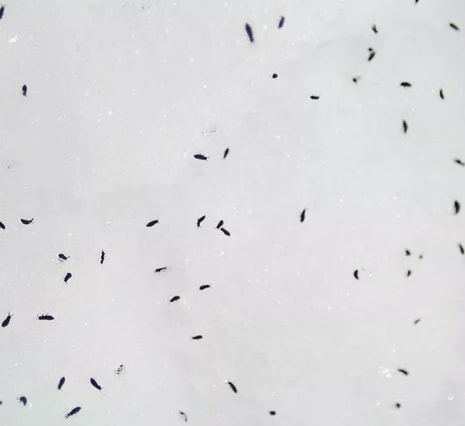
Pet owners are particularly vulnerable to collembola infestation. Dogs and cats who trample through moist soil or wet grass can pick up springtails and transport them into the home; however, it’s not likely that springtails will stay attached to pets like fleas unless an animal’s immune system is compromised (for example, if there’s a fungal infection of the skin.) Springtails are easily transferred between humans and animals. Close contact isn’t necessary. These acrobatic creatures can jump three to four feet. You may not always notice them catapulting through the air. They can be smaller than the head of a pin.
If the thought of a few snow fleas on dogs or springtails on dogs in the house makes you paranoid, relax. Have a look at this article where we have answered top 5 questions about snow fleas. Their ability to divide and conquer will largely depend upon environmental factors. Do you enjoy growing potted plants indoors? Does your basement tend to flood after a good rain? Black fleas in bathroom? Can you smell mold behind the bathroom wall? Are you still waiting on a plumber to fix that leaky pipe under the kitchen sink? Who was president the last time you cleaned your air ducts? A moist, moldy environment is like Disneyland to a springtail.
Getting rid of an advanced collembola infestation can be difficult because springtails aren’t classified as insects. They are defined as hexapods, primitive ancestors to modern-day bugs. According to organic scientist David Glassel, chemical pesticides have no effect on the hexapod. Only natural insecticides like oil will do the trick, and the best remedy is cedar oil.
Step By Step Guide to Eliminate Snow Fleas on Dogs (aka Sprintails or Collembola) Infestation:
1.) Treat yourself and your pets with a topical cedar oil insecticide approved for use with humans and animals. Avoid cosmetic or aroma therapy-grade cedar oil. It’s not purified, and it usually comes from certain forms of cypress trees. Cedar oil that is formulated for home protection will kill ALL TYPES of parasites on contact, including springtail bug on dog, lice and all forms of mites. If you’re tempted to use an over-the-counter kit designed for lice control, don’t bother. It won’t work, it’s not enough to cover large areas, and it’s just plain not good for you. Such products contain Lindane, a chemical banned for use with animals by the Environmental Protection Agency.
2.) Spray couches, beds and carpets with a fine cedar oil mist. A proper household formula will be very light and pure. In other words, it won’t stain fabric.
3.) Use a cedar oil fog machine to penetrate unseen cracks and crevices in the home. Normally, fog machines are considered optional, but advanced springtail infestations require aggressive measures. If you believe your infestation is severe, or if you’ve actually SEEN large groups of springtails moving over floors and walls, don’t mess around.
4.) Use the fog machine to treat air ducts or hire a professional air duct cleaning company. Many people are shocked to discover they have mold in their air ducts. It is not uncommon for mold to develop in your heating and cooling system from the condensation of your air conditioner. Springtails feed upon mold and thrive in moist conditions. Mold can also aggravate asthma and allergies. Air duct treatment addresses all of these difficulties.
5.) Purchase the highest quality furnace filters available at your local store. Filters designed for allergen and dust mite removal are best. Change filters frequently.
6.) Hunt for places where moisture accumulates. Patch leaky roofs and pipes. Seal cracks around basement windows. Pay special attention to bathroom walls and cabinets under sinks. There are easy DIY sealers available online.
7.) Remove household plants, especially decorative trees sitting in large potted containers filled with soil. Remember that springtails can be transported directly into your home via bags of potting soil.
8.) Take aggressive measures to control animal populations on your property. Double bag garbage, and don’t leave open trash barrels sitting around. Animal foods that are stored outdoors should be kept in airtight containers. Use traps or repellents to control rodents, raccoons and squirrel populations. Resist the urge to pet stray dogs and cats. Report any sightings of feral cats to your local animal control center.
9.) Beware of ultra-rich potting soil and wooden landscaping materials. Based on calls placed to our pest control operation from all over the country, springtail populations are often introduced to the home when truckloads of new mulch or soil have been dumped on properties that previously had minimal landscaping. (Mulch traps moisture and promotes the growth of mold.) Seal any cracks around basement windows before distributing natural landscaping materials around the perimeter of the home. If you’re worried about collembola populations outdoors, there are super-strength cedar oil concentrates designed to repel mosquitoes and kill insect populations in the grass and soil. Pet breeders, horse keepers, and livestock farmers use cedar oil concentrates to control all types of parasites in barns, pens and pastures. A generous treatment early in the spring or summer will do a lot to destroy eggs and control multiple insect populations before they explode. Preventing spring and summer Springtails aka snow fleas on dogs will pay dividends in the winter. Veterinarian bills are EXPENSIVE. Destroy parasites before they destroy you!
10.) Last but not least, avoid chemical pesticides. In February of 2011, USA Today ran an article titled “Exposure to Pesticides in Womb Linked to Learning Disabilities.” The study focused on permethrin, a chemical commonly used to battle household pests. As disturbing as this sounds, the topic is nothing new. Scores of scientific studies have linked chemical pesticides to neurological disorders, breast cancer and birth defects in children living near farms where chemicals are sprayed. In a nationally televised ABC World News investigation, spot drop flea and tick medicines were found to cause 44,000 severe reactions in a single year, including multiple deaths. So this is how to get rid of snow fleas on dogs.
Are fleas more active in summer? August is here and summer is in full swing. The heat is sweltering, the cicadas are deafening and the summer storms are at their peak. For many pet owners, this is also the time when our dogs and cats can’t stop scratching! Before you go changing your pet’s diet or running out for expensive supplements, you should consider when the irritation began. These summer months are a parasite’s paradise! The mid to late summer months are the height of flea season which can be an itchy scratchy nightmare for your cats and dogs with a flea allergy. Gremlin went through this, so I’ve been there! Here’s how to tell if that’s what’s going on.
Flea Allergy Dermatitis in Dogs
Flea allergy dermatitis is the most common allergy in dogs over a year old with symptoms flaring in mid to late summer. The allergy isn’t to the fleas themselves, but their saliva. This means the itchy reaction can happen after only one bite and can persist long after the flea is gone.
If you notice your dog scratching, licking, and chewing at the base of their tail, haunches, under their legs, groin, and belly, they might be suffering from a flea allergy. The chewing can cause dry scaly patches of skin and if left untreated can result in open sores that are prone to infection. Some dogs will even have red bumps in the affected areas.
Flea Allergy Dermatitis In Cats
Just like dogs, many cats can be allergic to flea saliva. Cats have a similar scratching, licking, and chewing pattern as dogs and can develop a rash of small round bumps, called feline military dermatitis (because of their resemblance to millet seeds) over their back, neck, and face.
Even With a Monthly Preventative
You might think your pet’s protected against fleas because of your stringent monthly preventative schedule, but not every preventative is created equally. There are numerous preventatives both over the counter and prescription. Many over the counter methods take days and some even require the fleas to bite before killing them and since this is an allergy to their saliva, this just won’t do.
Prescription methods are your best bet, but even there you’ll find that some are better than others.Some work faster than others. For instance, according to Elanco, the makers of Comfortis, Comfortis starts killing fleas within 30 minutes of administration with an effective rate of 98-100% within four hours. Nexgard, the most popular preventative currently, needs 24 hours to kill 100% of fleas.
Besides speed, you and your vet should consider how the preventative targets fleas. The active ingredient in Comfortis (and one of them in Tri fexis, also an Elanco brand) is Spinosad. This drug attacks the nervous system of the flea. Nexgard uses the ingredient, afoxolaner, which over-stimulates the nervous system of fleas. Sentinel, a brand Gremlin knows and loves, uses lufenuron, which acts as a development inhibitor, killing fleas in the egg and larvae stage. Sentinel’s belief is that if there are no baby fleas growing up to be blood-sucking adult fleas, there won’t be a flea problem.
A Combination of Treatments
When you discuss treatment with your veterinarian, ask about a combination of treatments. In New Orleans, where the flea population is radically out of control, our veterinarian (who I also worked for) recommended a Comfortis/Sentinel combo. This combination kills adult fleas on your dog and controls any larvae they pick up out and about. I highly recommend asking your vet about this as soon as you can if your dog itchy in summer.
Treating Your Home
You aren’t done yet. Fleas are tiny and their eggs are even tinier. Carpets, rugs, wood, laminate, and tiled floors are all safe havens for flea eggs. You absolutely need to treat your home and yard if you are going to truly have an impact on your personal flea population.
For this, I recommend Fleabusters. It’s much easier than you might think to use and not at all toxic to your family. Fleabusters is a borate powder that doesn’t poison or attack anything. It’s actually a desiccant, meaning it dehydrates it’s victims to death. And it does so very effectively.
The application process is pretty easy. It’s a very fine powder that you spread around your floors and yard (especially damp and shady areas). You’ll need to use a broom or foxtail brush to spread it around your flooring surfaces. You can vacuum and sweep normally because it has a static property that helps it cling to any surface. After using this powder, you’ll notice more than your flea population diminishing! This stuff works on most household pests! We’re big fans!
A Tricky Problem
Flea allergy dermatitis can be a tricky situation to deal with. Many times there won’t be signs of fleas because of the preventative you’re giving, in which case you might be offered a special diet or supplement.
For instance, when the itching and biting didn’t resolve itself after medications and supplements it was recommended to us that Gremlin start a drastic and lifelong steroid course! If your dog or cat is over a year old and has been fine with their diet seemingly until now, then you should bring up what you’ve read here!
Consider how few variables have changed in your dog’s life and make that a point. If you do end up with a new diet or supplement that doesn’t do the trick, consider a second opinion.
Beagles are happy, energetic, compassionate and loving dogs and most families would love to have a beagle as a pet. And like other dog breeds, beagles also have health problems-they are predisposed to certain diseases. One of the health issues of beagles is that they are prone to skin infections/problems.
What are the common skin diseases of beagles?
As with other dog breeds, skin problems in beagles can be caused by numerous agents including infectious agents (bacteria, virus, fungi, parasites), external irritants, allergens and trauma (burns, radiation).
Bacterial dermatitis (pyoderma)
Bacteria that can cause skin infections include Staphylococcus intermedius (most common causative agent), normal resident bacteria of the skin (Staphylococcus sp., Streptococcus sp.), Pseudomonas sp., and E.coli.
Areas such as lip folds, facial folds, neck folds, axillary areas, dorsal or plantar interdigital areas, vulvar areas, and tail folds are especially prone to bacterial pyoderma because the warm and moist conditions in these areas allow the bacteria to overgrow and colonize the skin surface.
Dermatophytosis
Dermatophytes (Microsporum canis, M. gypseum, Trichophyton mentagrophytes) are the common fungal agents that cause skin problems in dogs. In dogs that have dermatophytosis, the affected area(s) are alopecic, scaly patches with broken hairs. Papules and pustules can also form in the affected area.
Mange and external parasites (fleas and ticks)
Mange mites (Demodex sp. and Sarcoptes scabei) can also cause hair loss and dermatitis. Fleas and ticks can also trigger dermatitis. A condition called flea allergy dermatitis is common in dogs and flea bites cause severe irritation and dogs may develop hypersensitivity to the flea saliva (which is injected during feeding/biting).
Allergy (Atopic dermatitis)
Allergens in the environment can trigger an allergic reaction which is mostly observed in the skin (allergic inhalant dermatitis or atopy). Allergic inhalant dermatitis is a very common allergy in dogs with ~10% of the canine population suffering from the condition. The most frequently affected areas include the feet, face, ears, axillae, and abdomen.
Food allergy is also a common type of atopy in dogs. Foods that most frequently cause allergies to dogs include beef, chicken, corn, wheat, soy, and milk.
Nutritional deficiencies, hypothyroidism, hyperadrenocorticism, excessive estrogen production or administration can also result in skin problems (often seen as hair loss).
How do I know my beagle has skin disease?
Generally, problems in the skin are manifested as:
Itching and scratching
Inflammation of the skin (dermatitis)- seen as reddening of the skin (erythema), scaling, pustules
Scratching
Loss of hair
Licking
How are skin diseases diagnosed?
With skin problems, the vet will need to make a thorough examination of the dog (type of lesions, location/affected area(s)) and know the dermatologic history. The vet may also need to perform tests to help him with the diagnosis such as Wood’s lamp examination (dermatophytosis), fungal culture, allergy investigations (dietary tests, patch testing, and intradermal testing), skin scrapings, combing of hair coat for fleas or lies, and biopsy. In some cases, the skin infection or itching may be idiopathic after all diagnostic tests have been performed. In cases of idiopathic skin diseases, corticosteroids or antihistamines and essential fatty acids can be given.
What is the treatment for skin problems?
To effectively treat skin infections require that the underlying cause should be determined. Bacterial pyoderma is treated by oral antibiotics (given for 21-30 days; longer duration of treatment for chronic cases).Dermatophytosis is treated by giving the dog antifungals such as Itraconazole, fluconazole, terbinafine, ketoconazole, and griseofulvin. Insecticides can be given if there are fleas and ticks. So look at the best fleas and tricks products.
What Beagles eat plays a big role in their skin health. Switching to a hypoallergenic or hydrolyzed diet (where proteins are broken down for easy digestion) can reduce allergic reactions. Beagle skin has helpful bacteria that keep it healthy. When these bacteria are out of balance, skin issues like redness and itching can happen. Using special shampoos or probiotics may help restore balance and improve skin health.
Until the underlying cause is determined, topical and systemic therapy may be given. Cleansing and antiparasitic shampoos are available and can be used for routine cleansing (remove dirt, excess oil from the hair coat). Medicated shampoos that contain chlorhexidine and benzoyl peroxide are widely used for their antibacterial property. Antiseborrheic shampoos contain tar, sulphur and salicylic acid and they can be used for seborrheic dermatitis. In the case of antifungal shampoo, they have not been shown to shorten the course of infection and are best avoided.
Adding omega-3 fatty acids, probiotics, or zinc supplements to their diet helps soothe inflammation and improve skin repair. Always ask your vet before starting new supplements.
What can I do to help keep my beagle’s skin healthy?
Feed your dog a complete and balanced diet that will meet his nutritional needs.
Whether your beagle is a puppy or an adult, make sure that he is getting the right amounts of protein, fat, carbohydrates, vitamins and minerals. Dogs also require linoleic acid, an unsaturated essential fatty acid that is important for coat and skin health, found in corn, safflower, sunflower and soy oil.
Regular grooming
Brush your dog’s coat at least once a week and bathe your dog for 1-2 times per week. Brushing the haircoat will not only provide the bonding you need with your pet but it will also help massage the skin and release natural skin oils. Regular brushing will also give you the time to check for presence of ticks, fleas or other skin and haircoat problems.
Regular check-up
Bring your dog to the vet regularly to have him checked for skin parasites or early signs of skin and hair coat problems. Skin problems can be caused by an underlying disease condition and it will help your dog a lot if the disease is diagnosed and treated early.
Frequently Asked Questions
What causes Beagle skin allergies?
Beagle skin allergies are often caused by food allergens like chicken or beef, environmental triggers like pollen or dust mites, and flea bites. Contact with harsh shampoos or cleaning agents can also irritate their skin.
How do you treat Beagle dermatitis?
The treatment depends on the cause. Flea allergies need flea treatments, food allergies require diet changes, and infections may need medication. Vet-recommended soothing shampoos can help calm irritation.
What are common symptoms of skin problems in Beagles?
Beagles with skin issues may scratch or lick excessively, develop red patches, lose hair, or have flaky skin. If these symptoms appear, consult your vet.
Are there home remedies for Beagle skin problems?
Home remedies like oatmeal baths or coconut oil can soothe the skin, and diets with omega-3 fatty acids promote skin health. However, a vet should address the main problem for lasting relief.
The papillons, also known as butterfly dogs get their distinct butterfly wing-looking ears with fringed hair. They are delicate, quirky-looking dogs with abundant, silky flowing coats. They do not have an undercoat and their hair is quite long. Although they are not as sensitive as other toy dogs when it comes to papillon allergies, papillons can still suffer from it and even cause it to their owners. Are papillons hypoallergenic? Owners should always be on the lookout for any allergic symptoms their pets may exhibit.
Are papillons hypoallergenic?
Papillon dog allergies are not considered hypoallergenic dogs. They have a single coat but still shed lightly throughout the year. Their shedding and dander can trigger papillon allergies in sensitive individuals. While they produce less dander compared to heavy shedders, they are not a safe choice for people with severe dog allergies. Regular brushing can help control shedding, and frequent cleaning can minimize allergens in the home. If you have allergies, it’s best to spend time with a Papillon first to see how you react before bringing one home.
Common Allergy Symptoms in Papillons
Symptoms that your papillon is having an allergic reaction could include excessive scratching, itching and licking of the ears, muzzle, paws or other parts of the body. Other symptoms could also include hair loss, recurring ear infections as well as changes in bowel movements. A pap experiencing an allergic reaction could also salivate and start licking his body, orange or red tinged hair is a sure sign of papillon allergies. Difficulty breathing is a symptom mostly experienced by humans rather than dogs.
Causes of Allergies in Papillons
Papillon dog allergies do not always begin from birth some papillons get them even well into maturity. Allergic reactions can come from food, parasites, insects, molds, pollen, changes in the weather, rage weed and fall seasons. Knowing what your dog is allergic to does not have to be a trial and error experience, just like with humans there is a test available to determine elements or food that dogs can be allergic to. Knowing is winning half the battle by helping papillons avoid such allergens. There are a few basic allergens that dogs can be susceptible to, these inlcude;
Flea and Bacterial Allergies
This is most common especially to hairy dogs. Papillon dog allergies can suffer from extreme itching on the bite area, causing redness, hair loss and sometimes even sores. The flea is actually not as dangerous as its saliva which passes through your pet and causes the allergic reaction. Flea bites are harmful to both dogs and humans an can be addressed by proper grooming, cleaning and a medicated shampoo if necessary. Garlic added to the dogs food is known to repel fleas and other bugs. You can also spray vinegar water on the dogs’ outdoor living space to get rid of the bugs. Bacteria can also affect dogs, normally it would also cause severe itching and lesions, this could be a Staph infection; if this is the case immediate medical attention is needed for both dog and owner.
Inhalants
Are papillons hypoallergenic? Well, these are also called atopy or hypersensitivity allergens in the environment. Symptoms would include scratching, itching and salivating that cause orange or reddish fur, This would include those that can be inhaled, it may come as a surprise for new dog owners, but they can be allergic to pollen too. Other inhalants include cigarette smoke, molds, mildew, dust, and dust mites. This is usually treated with antibiotics, shampoos and antihistamines. Hypersensitation or exposing your pet to the allergen little by little to get the papillons immune system going is often used as the last resort.
Food Allergies
This type of allergy is often easy to spot, and it can cause an immediate reaction. Food allergy can be differentiated from intolerance judging by the symptoms. Intolerance often causes diarrhea or an upset stomach while papillon allergies can show similar symptoms as atopy. Dogs can often be allergic to specific foods such as beef, dairy, eggs, chicken, lamb and fish.
With allergies, prevention is always better than the cure and it is important to know what your pap is allergic to. Although papillons are generally healthy dogs, they are fragile and severe allergic reactions can be fatal to them.
Can Papillons Trigger Allergies in People?
Yes, papillon dog allergies can cause allergies in humans. While they’re not as sensitive as some other small dog breeds, they can still trigger allergic reactions in their owners. People who are allergic to dogs may experience symptoms like sneezing, itching, or watery eyes when around Papillons.
Specific Allergens Papillons May React To
Papillons, like many dogs, can develop allergies to various things. Common allergens include:
Pollen: Grass, trees, and flowers can trigger seasonal papillon allergies.
Dust and Dust Mites: These are found in carpets, furniture, and bedding.
Mold: Damp areas in the home can lead to mold growth, which some dogs are allergic to.
Fleas: Flea bites can cause itchy skin and irritation.
Certain Foods: Ingredients like chicken, beef, wheat, or soy might cause reactions.
Cleaning Products: Harsh chemicals used in cleaning may irritate their skin or nose.
DIY Remedies and Preventative Care for Allergic Reactions
If your dogs have papillon allergies, here are simple things you can try at home:
Regular Baths: Use hypoallergenic or oatmeal-based shampoos to soothe their skin.
Clean Their Living Area: Wash their bedding often and vacuum regularly to reduce dust and pollen.
Wipe Them Down: After outdoor walks, use a damp cloth to wipe their paws and fur to remove pollen or grass.
Control Fleas: Use vet-approved flea prevention treatments.
Adjust Their Diet: If you suspect a food allergy, try switching to a grain-free or limited-ingredient diet (with your vet’s advice).
Use Air Purifiers: These can help reduce allergens like dust and pollen in your home.
Yes, Papillons shed, but not excessively. They have a fine, single-layer coat that sheds lightly throughout the year. Regular brushing can help manage the shedding and keep their coat healthy.
What makes a dog hypoallergenic?
Hypoallergenic dogs produce less dander and shed less fur, which reduces allergens in the air. However, no dog is 100% hypoallergenic, as all dogs produce some dander and saliva, which can trigger allergies.
Are Papillons good for people with allergies?
Papillons are not hypoallergenic and may not be the best choice for severe allergy sufferers. They produce some dander and shed lightly. Spending time with a Papillon before adoption can help you see if they trigger your allergies.
Can Papillons develop allergies?
Yes, Papillons can have allergies. They may react to pollen, dust, mold, fleas, or certain foods. Allergies can show up as itching, redness, or sneezing.
How can I reduce allergy symptoms in my Papillon?
Regular grooming, a healthy diet, and keeping their environment clean can help. For persistent allergies, consult a vet for appropriate treatments or tests.
The beginning of spring marks the time when Pug owners everywhere should be ready to protect their dogs from ticks.
Known scientifically as “Rhipicephalus Sanquineus”, these blood-sucking bugs can carry disease as well as cause discomfort in our Pug dogs. In fact, ticks can infect humans with Rocky Mountain Spotted Fever, cause paralysis, and can even kill our precious Pugs.
Quite simply, ticks are parasites that live on the blood of their victims. Ticks have been blamed for causing the spread of disease among both people and dogs. They were shown to be behind the famous mass deaths of military dogs during the Vietnam War.
Although it’s really true that a bug is a bug, it’s also true that there is some variety in the specific kinds of ticks such as the brown tick, the wood tick, the black tick and several more. One of the things in common is the fact that all ticks are very resistant to typical insect poisons, and this makes them very hard to control.
This can really gross people out, but it’s absolutely true that a female tick can produce several thousand eggs – yuck! They usually lay their eggs under the carpet, in a little whole in the baseboard, or some other dark and out-of-the-way place. Ticks lay their eggs in a safe place but never on the body of their victim. Once the eggs hatch after a month or so, they turn into larvae. Tick larvae seek out their first host, where they’ll suck down some blood and then detach to go find a place to hide out.
A few weeks later, the tick larvae transform themselves into nymphs, which are sort of like teenagers. These nymphs looks for another host to grab some more blood, then fall off to rest again. Then, after another few weeks, the nymph transforms into an adult tick. Of course, now the adult tick is ready to seek out another host like a Pug, where it will fill up on blood and mate.
Adult ticks can live for up to 2 years without eating…which is really bad news for Pug dog owners, as this means you can have ticks lurking in ambush.
A tick outside will look for a hunting ground, which means getting up into some low-hanging branches or into a pile of leaves. This becomes the launching pad for the tick when an unsuspecting Pug dog comes along for a potty break or just running by in play. The tick will literally launch itself and jump up to several feet to land onto its victim.
Once in your home, ticks will emerge from beneath rugs and carpeting, climb walls, table and chairs, and even up as high as wall pictures, to await the passing of a Pug. They may even have to wait up to six months, but a tick can instantly sense the approach of a Pug and jump on it as it passes.
Itch, itch, scratch, scratch… thump-thump-thump… I honestly don’t know who whines more when our dogs have itchy skin problems, us or them!
As a professional animal communicator and master healer, I am often asked to work with dogs with skin condition problems. This can be a complicated tangled knot to unravel, fraught with a complexity of contributing causes.
Usually your vet will offer steroids to suppress the allergic reaction, antibiotics, and expensive medicated shampoos. All that does is suppress the symptoms for a little while and does nothing to resolve the source of the problem.
In the long term, your dog will suffer from a recurrent itchy skin problem which may be worse over time, developing hot spots and oozing sores. They will also suffer from the many debilitating side effects from the steroids themselves, which can shorten their lfie. AND, your dog may actually be allergic to the medicated shampoo!
What’s a caring, loving responsible dog parent to do?
Allergies are a symptom of a body experiencing toxic overload and systemic overwhelm. There are better ways to approach the problem. Here are the top 12 causes of itchy skin problems:
Thyroid and hormone imbalance, including over active adrenals from stress. This can also come from spaying and neutering creating a sudden and dramatic effect like forced menopause…
Food allergies including an allergy to rice, wheat, soy, corn, dairy, and nightshade plants like potatoes, tomatoes and peppers
Poor quality polluted water, especially tap water or water that is bottled in plastic which has carcinogens like benzene in it…
Heavy metals or other hidden contaminants in your dog’s food and environment…
Environmental allergens like hay, pollen, grasses, weeds, contact with toxic plants…
Chemical preservatives in the food, in the cans themselves or the packaging, bedding, shampoos, toys…
Pesticides, both used orally and in the environment
Wormers which are poisons that affect the liver and kidneys
Antibiotics which have destroyed the intestinal balance of probiotics and enzymes
Flea allergies, along with all the topical flea/tick treatments
Parasites like pinworms, tapeworms, roundworms and the like which thrive in a polluted, toxic body
All of those things must be taken into account and addressed. However, the number 1 cause of skin problems that few vets will tell you about is this:
12. Vaccinations with their many side effects. Over vaccinating your dog can cause a great deal of chronic long term problems including auto-immune disorders and degenerative disorders, like joint pain and arthritis, diabetes, cancer and digestive problems.
So what can you do about it?
1. Go homemade – food, that is. No more commercial pet foods. Try feeding your dog a bionutritionally sound diet that includes organic steamed vegetables including garlic in a bit of broth (low sodium is ok), natural raw or lightly cooked chicken or turkey or lamb, a good quality grain, and add in the right supplements like vitamins B, C and E, and full spectrum trace minerals like zinc and selenium. Be sure to include a high quality fat like extra virgin olive oil and coconut oil which are all necessary for good health as well as happy skin and shiny coats.
2. Rebuild their digestive system. If they aren’t allergic to dairy, offer yogurt or cottage cheese, and/or add probiotics and enzymes to help them digest it.
3. Clean water only. Purify their water with reverse osmosis or another type of quality filter.
4. Use natural flea, tick, mosquito and parasite prevention.You can use an essential oils formula like Cedarcide, mulch your yard with cedar mulch, or try using The ShooTag which are all viable non-toxic alternatives to flea preventions and oral wormers. Beneficial nematodes will clear your yard of fleas and their eggs. There are also herbal remedies for parasites. Remember that if your baby can’t touch it, then it can’t be good for your dog either.
5. Soothe the itch naturally. Aloe vera gel and coconut oil can help soothe the itch, as can many homeopathic remedies, including rhus tox, pulsatilla, arsenicum, apis, nux vomica, belladonna and mercurius vivus. See a professional’s assistance to determine the right remedies for your dog.
6. Vaccinosis Homeopathic Protocol. No more vaccinations while your dog is ill, or you will make the problem worse because you should never vaccinate a dog who isn’t well. There are ways to calm the inflammation using homeopathic medicine. Again, contact me or see a professional for assistance in determining the right protocol for your dog.
The good news is this: Not only will your dog start feeling better soon, but you will too. Because what’s good for your dog, is also good for you.