Listed as a threatened species in Texas, white-nosed coatis – also called coati-mundis – belong to the family Procyonidae, a group of small carnivores that includes raccoons and ringtails. They occur largely in woodlands and canyons found in Mexico and Central America but have ranged northward as far as southern Texas.
Raising a pet coatimundi (also known as Coatis) can be quite a challenge at the start especially if you’re going to do this for the first time. You need to know a lot of important things. You also need to consider different sets of factors while you’re doing this so that you can ascertain that your exotic pet won’t grow up having bad habits that may cause you some harm later on.
One of the most important things that you need to know about raising a pet coatimundi at home would be not overfeeding your baby during one feeding. You need to watch how much you feed your exotic pet because coatis usually continue feeding until they become really bloated. Overfeeding can lead to inhalation pneumonia; loss of body condition; and loose stools. When you finish feeding your pet coati and it’s still hungry, you have to wait for at least 45 minutes before you can offer the bottle again. At 5 weeks of age, your pet coati should start eating an average of one ounce per feeding. You should feed your pet four times daily. You can increase this frequency as your exotic pet gets older. Don’t forget to burp your pet coati after each feeding.
The next important thing that you need to know about raising your exotic pet would be the right time when to wean. This is usually up to the pet owner and can be based on your own circumstances. You have to know that the more frequently you bottle feed your baby coati, the less inclined it’s going to be on eating solid foods. At 5 to 6 weeks of age, you should start leaving some dry puppy food for your exotic pet. When you start feeding solid foods to your exotic pet, you can mix some apple juice with puppy food or monkey biscuits. Each coati is considered as individual with its own unique taste buds. Some of the favorite foods of coatis include pizza, luncheon meats, newtons, blueberry muffins, watermelon, eggs, and bananas.
Vaccination schedules are another thing that you should consider. These should be the same with puppies and kittens. First vaccinations and worming are given at 5 to 6 weeks of age. After which, this is then done every 3 weeks until coatis reach the age of 16 weeks. Annual boosters and worming are also highly advised. Aside from this, coatis should also receive a dog distemper-parvo shot or DHLP-P and the cat panleukopenia vaccine. You can have your pet coati wormed with any good cat wormer or dog wormer.
Next, never use too much over the counter flea prevention products because most of these products are toxic to exotic animals. If you have a pet coati that’s below 12 weeks of age, it would be best for you to spray Adams brand flea spray on a towel and wipe it on its skin. Don’t overdo this too much so you do not cause harm to the animal.
Lastly, if you have a male coati, it’s highly advised that you have it neutered. Males that are intended to be breeders on the other hand, should be mother raised or should be placed in the breeder pen at 4 to 6 months of age.
Under mounting pressure from the Food and Drug Administration (FDA), Bayer Corporation suspended the sale of its hugely profitable drug Trasylol in November 2007.
A blood clotting drug used during heart surgery to control bleeding, Trasylol was given to more than four and a half million people worldwide. About one and a half million Americans received Trasylol during its 14 year run on the US market.
Studies found that patients who received Trasylol during heart bypass, heart valve replacement and other cardiac surgery were more likely to die than patients who received other available blood clotting drugs. Deaths were due to heart failure, kidney failure, heart attacks and strokes the patients suffered after surgery.
In 2007, Bayer designed a major Canadian trial to show that Trasylol was better than other drugs in controlling bleeding. The trial was terminated, however, because of an increase in deaths among cardiac surgery patients using the drug. Patients receiving Trasylol had a 50 percent increased risk of dying compared with patients receiving other drugs.
What’s a few thousand deaths among friends?
60 Minutes reported in February 2008 that Bayer had known about Trasylol’s safety concerns for decades and about the abnormally high incidents of deaths associated with the drug since 2006. Yet Bayer continued aggressive marketing of the drug, raking in well over $300 million annually. The FDA permitted Trasylol to stay on the market, contributing to an estimated 1,000 deaths a month for the 22 months before its recall.
The 60 Minutes report went on to describe Bayer’s own internal study evaluating the risk of patient deaths from Trasylol. Medical records of nearly 70,000 patients were examined by a Harvard professor who was placed on the Bayer payroll. What the professor found was that patients given Trasylol had an elevated risk of acute renal failure.
Bayer concealed this study from the FDA during a safety review of Trasylol in 2006. The drug giant further charmed the FDA into allowing Trasylol to stay on the market. More than a year passed before the FDA got around to reviewing the adverse effects of Trasylol again. Finally, the FDA recalled the drug but imposed no fine or penalty on Bayer.
What does this have to do with fleas & ticks on dogs and cats?
Another way Bayer works wonders is with its insecticide Imidacloprid, the active ingredient in Advantage Flea & Tick treatment for dogs and cats. Laboratory test results on file with the U.S. Environmental Protection Agency show Imidicloprid to be neurotoxic to dogs and other laboratory animals, also causing a breakdown of coordination, labored breathing, reduced birth weight, increased birth defects, and lesions of the thyroid.
Of course, Bayer has remained silent as a stalactite about these adverse health effects on our precious pets. Could this be yet another 60 Minutes report in the making?
Sooner or later, responsible dog lovers and cat lovers need to ask themselves the question, Am I trusting the big drug companies too much with the safety of my best friends? Sooner or later you need to ask yourself whether toxic chemicals are really necessary when safe and natural flea & tick treatments are readily available.
What’s my advice? You can’t ask questions too soon, but you can ask them too late. Discover now why pet lovers everywhere are turning to TripleSure Natural Flea & Tick Spray For Dogs And Cats.
Deworming of dogs and all pets has always been a topic of discussion. All the pet parents need authentic information about how and when to deworm their precious pets. Generally, the deworming of any pet should start when they are young. This is because worms are not just acquired from the surroundings, but can be inherited from the infected parent as well. The deworming of puppies and kittens is essential to protect them from developing adult worms inside their little bodies. It also ensures their safety from various worm-related infections. Regular deworming of dogs helps maintain their overall health.
Which worms are generally found in dogs? The answer is that there are various worms that can be eliminated and the infections spreading from these can be controlled. There exist Roundworms, Whipworms, Hookworms and Tapeworms that are the prime worms affecting the dog’s organs specifically intestines. Additionally, there are hearworms that can effect dogs, however those are internal parasites affecting the heart versus instestinal worms. Intestinal worms and Heartworms are treated differently. For the purpose of this post, we will discuss intestinal worms.
A little insight into the activities of these worms will enable you to understand the necessity of deworming a dog.
Understanding the importance of deworming of dogs is crucial for every pet owner. By being proactive, you can help prevent serious health issues caused by these parasites.
Deworming of Dogs Essentials – Dog Deworming Basics 101 15
Roundworms:
In appearance, they look like long strands of noodles and are usually found in the intestines. They feed on the partially digested food by the pets and are found in abundance. The larvae of these worms are easily transferable from the dog mothers’ milk. If the worms get infested in the dog’s body by external means like if the dog licks the eggs or another pet’s feces, then it may cause serious damages.
Whipworms:
The name suggests the look of these worms, thread like structures with one end wider than the other. To be usually found in large intestines, whipworms leads to tremendous weight loss in the dog that it infects.
Hookworms:
More often spotted in dogs, these parasites if severely infested in the dog’s body, can turn them into anemic. The common signs reflecting hookworm infection are diarrhea, anemia, loss of weight etc.
Tapeworms:
Recognized as flat, small rice or grain like structure, these worms can be infested in the dog’s body either by external environment or by fleas. Tapeworms reside in intestines and can vary from 4-6 inches in length. They can be spotted in the stool of the dogs or near anus area.
What Should You Do Next?
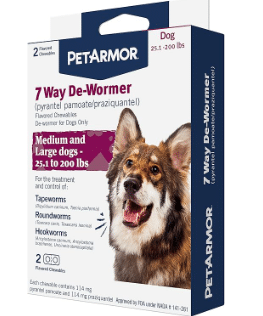
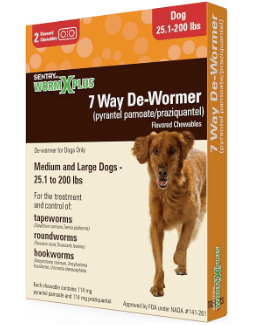
After the worm type has been identified, there are easy treatments for your dog. You can find many different types of natural dewormer for dogs or medicated dog dewormers from pet stores to online pet stores and some of the major retailers of pet products. Dewormers can come in the form of pills, soft chews, liquid or injection. Make sure you understand how to do it. Each company and type of dewormer could have different directions.
Deworming of Dogs Essentials – Dog Deworming Basics 101 16
The frequencies at which the pets should be dewormed vary with their age. For puppies – treatment should be done at 2, 4, 8, 12 weeks of age, followed by 4, 5, 6 months of age. While for the adult dogs, they must be dewormed at every 3 months of interval and 6 weeks in case of hydatid infection. Rules also apply for pregnant and lactating dogs. They must be de-wormed before the mating process, 10 days before whelping followed by 2 and 4 weeks of interval’s time for after whelping de-worming.
For kittens, de-worming should be done in every 2 weeks from 6 weeks of age to 3 months. Followed by, de-worming them every month until 6 months of age. The adult cats must be treated in the same way as adult dogs i.e. at every 3 months of interval.
Adhering to these deworming steps and using the proper dewormers for dogs, no harm can be caused to them. Choice of the treatments should be perfect and ideal according to the dog’s health.
Consult with your veterinarian for the best practices for the deworming of dogs.
Regular check-ups can assist in the effective deworming of dogs and early detection of problems.
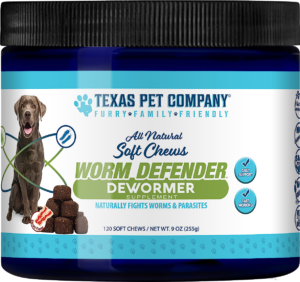
Natural & effective dog wormer without Rx. Treat & control roundworms, hookworms or tapeworms in your dog with these bacon-flavored treats for dogs. Keep your dog healthy & worm-free with Worm Defender Dewormer for dogs.
Deworming of Dogs Essentials – Dog Deworming Basics 101 17
Laboratory studies of ingredients in seven popular flea and tick control products reveal adverse health effects in all animals tested. The effects of these well known and aggressively marketed products range from convulsions, body tremors and labored breathing to thyroid cancer, brain lesions, and liver and lung tumors. Yet TV commercials with trusty looking veterinarians pitch only the happy side of these products.
Which flea and tick pesticide are you using on your dog and/or cat? If your favorite treatment contains the active ingredient Fipronil, Imidacloprid, Methoprene, Permethrin, Pyriproxyfen or the inert ingredient Butyldydroxytoluene, Butylhydroxanisole, Carbitol, Ethanol, or Polyvinlpyrrplidone, you need to know about the not-so-happy side of these products as well.
If you think your veterinarian or local pet store would never sell you such a sinister poison, think again.
Advantage (Bayer Corporation), Adams Spot-On Flea & Tick Control (Farnam Pet Products), BioSpot Flea & Tick Control (Farnam Pet Products), Defend EXspot Treatment (Schering-Plough Animal Health), Frontline Top Spot (Merial Limited), Frontline Plus (Merial Limited), and Zodiac FleaTrol Spot On (Wellmark International) – all contain one or more of the aforementioned active or inert ingredients.
Toxicology and morbidity findings from these pesticide products were gathered over a decade of laboratory testing by the United States Environmental Protection Agency; Occupational Safety & Health Administration, U.S. Department of Labor; Extension Toxicology Network; Journal of Pesticide Reform; Pesticide Action Network North America and other sources, with additional information supplied by Material Safety Data Sheets.
Most testing was performed for the benefit of new product manufacturers in order to qualify for EPA registration. Scientists overdose laboratory animals to determine how much of the product will kill 50% of the test population. Information is then extrapolated and assumptions made that may apply to domestic animals and human beings.
According to laboratory tests, Fipronil (Frontline Top Spot and Frontline Plus) is a neurotoxin and suspected human cancer agent. Fipronil can cause liver toxicity, thyroid cancer, kidney damage, raised cholesterol, lack of coordination, labored breathing, miscarriages and stunted offspring.
Laboratory testing of Imidacloprid (Advantage) on mice, dogs and rats shows this insecticide to be neurotoxic to laboratory animals, also causing a breakdown of coordination, labored breathing, lesions of the thyroid, reduced birth weight, and increased birth defects.
The synthetic broad spectrum pyrethroid insecticide Permethrin (Adams Spot-on Flea & Tick Control; BioSpot Flea & Tick Control; and Defend EXspot Treatment) shows indications of being an endocrine disrupter and the cause of lung cancer and liver tumors in laboratory animals.
Is zodiac flea treatment safe?
Methoprene and Pyriproxyfen (Zodiac FleaTrol Spot On; and BioSpot Flea & Tick Control) are known as insect growth regulators (IGR), both of which restrict the growth of fleas to the juvenile stage where reproduction is not possible. Laboratory testing reveals that Methoprene causes enlarged livers and degeneration of the kidneys.
Unfortunately, few people actually read EPA test results. Fewer still want to hear about the many laboratory test subjects (unwanted dogs and cats) killed during and after the studies in order to determine damage to specific systems and organs. But it only takes a few people with straightforward thinking to bring about change. Are you ready to stop this insanity? There are effective alternatives, as you know.
Today there are totally natural flea and tick remedies – completely harmless to kids, pets and the environment – made from pure botanical essential oils. Some natural products work fairly well, some don’t, and some work much better than the toxic stuff!
The mode of action – the way these natural remedies kill fleas and ticks – is to disrupt the insect’s ability to function by blocking a substance called octopamine. In nature, certain plants have developed a natural defense against bugs. These “octopamine blockers” in plants are extracted as oils and used as active ingredients. Octopamine is to an insect what adrenalin is to a human. When blocked from the system, the insect quickly dies. No muss, no fuss. Nobody gets hurt but the bug.
Please begin today to stop supporting the heartless laboratory testing of innocent animals, the insidious cover-up and rush to market of big business, and the unwitting harm we may be doing to our children, our pets, and our planet.
It’s a concrete fact that a pet needs can vary throughout its lifetime. Providing the utmost care through all the years of their lives helps them lead a healthy and happy life. As keeping your pet healthy is a lifetime commitment, providing the best care at every stage is also a compulsion. It’s paramount that for every life stage of your furry pal, you need to create a plan and follow a set of obligatory steps to maintain the quality of his life. The daily or life stage requirements keep on changing at each ascending, and every critical life stage of your pet. Henceforth, according to the needs of their growing years, you need to suffice them all.
At each passing stage, explore and learn about the basic requirements that are inevitable for their optimal health at every life stage.
Puppy and Kitten Care
A newly adopted puppy or kitty needs an exclusive care for their optimal growth. Not just regular vet visits, but, here are the numerous things that you need to consider.
The first step is to plan a vet visit for your pet’s physical examination as soon as possible.
Second is to screen your furry pal for any presence of fleas, ticks, intestinal parasites or any other health problems. This will ensure that the new member is fit and does not transmit any disease to other animals or humans.
Puppies and kittens are highly prone to parasitic infections. To protect them against preventive diseases, it is crucial to start with flea and tick prevention program. This controls flea and tick infestations as well as protect your puppy or kitty against flea & tick-borne diseases.
Apart from flea and tick preventives, treat your baby furry pal with wormers. At times, worms are transmitted to puppies and kittens from their mothers. Therefore, treating with wormer regularly aids in the elimination of worms and controls multiple worm infections in your furry kid.
Along with other parasitic infections, puppies are also prone to heartworm disease due to their low immunity. Your vet will test for heartworm disease. If the result is negative, you can start with monthly heartworm preventives. These are available in flavored chews that are easy to administer to puppies.
The low immunity not only makes puppies and kitties susceptible to heartworm disease but also to various other preventable diseases. Therefore, vaccination is paramount in protecting your four-legged kid from these diseases. Your vet can prepare a vaccination plan for your pet, so you can be assured not to miss any vaccination.
Basic pet training, social networking, and proper food along with a lot of caresses are the others aspects which have to be considered as your puppy or kitty grows.
However, it becomes crucial to take your furry pal to a veterinarian if you notice the following signs or symptoms in your furry kid.
Excessive drinking or urination
Sudden weight loss
Loss of appetite
The sudden increase in appetite
Behavioral changes
Ear odors, redness, head jerking, scratching or head shaking
Trouble defecating or urinating
Skin lumps, bumps or irritation
Bad breath, plaque or bleeding gums
Diarrhea or vomiting
Unable to walk
Looks lethargic
Adult Pet Care
As your puppy/kitten grows into an adult, particular things change in their pet care regime. First of all, the pet diet has to be changed according to their body weight and conditions. An adult requires more food compared to growing puppies or kittens. Additionally, adult pets should be examined at least twice a year to prevent or detect any unlikely health condition.
As pets age faster, additional care has to be taken at this stage as the health problems can also progress quickly. Some of the common problems that adult furry pals face are ear and eye disease, dental conditions, obesity, endocrine disease, intestinal parasites, tumors or lumps and skin diseases especially due to fleas and ticks. Though your pet may appear normal, some of these diseases are not detectable at the earlier stages. Whereas conditions like intestinal parasitic infestations, skin diseases due to external parasites, and dental diseases are highly preventable if regular treatments are rendered to your pet.
Moreover, adult dogs are also prone to chronic pain due to the onset of arthritis problems. They may experience pain due to joint disease and skin rashes or itching due to flea and tick bites. Regular joint supplements aid in the control of joint pain further preventing the signs of arthritis. Additionally, monthly flea and tick treatment such as Nexgard, advantage or Eliminall spot-on prevents itching, scratching and skin rashes as well as flea allergy dermatitis in pets.
Senior Pet Care
When pets move to the golden period, they look forward for more care and love from your side. The advancement in animal health medicines has scaled higher which has hugely impacted the quality of life senior pets improving their health. However, the increased lifespan has its own drawbacks. The extended lifespan has also paved way to numerous health conditions in senior pets.
During this stage, the health conditions grow much faster and therefore more specific care has to be created to provide the best care to your senior pet. At this stage they are highly susceptible to osteoarthritis, kidney disease, heart disease, liver disease, cancer and diabetes.
Taking care of our pet is probably expensive. You need to take your pet dogs and cats to the veterinarian regularly to check their health conditions. Fleas and ticks are the most common problems mainly in pet dogs and cats. Now you don’t have to worry about it. The Cheapest Plus is now in the market.
The increasing demand of the product in the market and the great desire of the manufacturer to help pet owners save dollars without sacrificing the health of their pets, the manufacturer have decided to give discounts up to 50%.
There are various ways to avail the Cheapest Plus
1. Frontline Plus coupon-you can avail this through buying 6 doses of Frontline Plus
2. Buy in bulk-purchasing in bulk is cheaper than buying in retail that saves you money and time. Just make sure to consume before it expires.
3. Buy Cheapest Frontline Plus online-there is online shop that offers big discounts on the products.
You can buy the cheapest Plus for dogs on Amazon.com. It offers almost 50% discounts on various products.
Cheapest Frontline Plus comes in variant
The color packaging indicates the weight category of your pet.
Cheapest Frontline Plus Orange is recommended for dogs weighing 0-22lbs.
Cheapest Frontline Plus Blue is recommended for dogs weighing 23-44 lbs.
Cheapest Frontline Plus Purple is intended for dogs weighing 45-88 lbs.
Cheapest frontline Plus red is for dogs weighing 89-132 lbs.
Frontline Plus is the highly recommended by the experts for the prevention of fleas and ticks from your dogs. Application is once every month and it is safe to use. The side effect is so minimal to zero it’s the reason why it is the top choice of most veterans. It is proven to kill all the life stages of four major tick species that may includes the one that carries Lyme disease. It controls the possibility of infestation of flea and ticks to your dogs.
Cheapest Frontline Plus for Cats
Like dogs, cats could also be stricken by fleas and ticks which may harm them if not treated immediately. And the problem is looking for the most effective yet inexpensive products for medication is not easy. To save you time, effort, and so with money, choose to buy Cheapest Frontline Plus for Cats. It is the best solution for combating the pest because its components S-Methropene and Fripronel are guaranteed 100% effective.
It is gentle on the cats’ skin and it is also waterproof just let dry 24 hours after application and your cat is safe even if it licks itself to groom.
This concludes that Frontline Plus products are the cheapest solution to keep your pet dogs and cats healthy and happy. It is the best products that most experts recommend because it is safe to use and very effective. Why buy products with cheaper price but the effectiveness is also lesser. You should be more sensible because the more you use ineffective products the more you spend too much.
Dogs are susceptible to numerous health hazards. Environment, genetically pre-disposed diseases, internal and external parasites and general hygiene are a few of the aspects that have a direct effect on their health. Parasites like fleas and ticks are found in the environment, live on the canine’s body, and transmit diseases. There are several pet medications, which can curb these pests. Frontline Combo and Advocate for dogs are two of the most popular flea and tick treatments now. Now the question that arises here is which one to select between advocate vs frontline.
Which factors affect the selection of pet care products?
Advocate vs frontline plus for dogs which one to choose? There can side effects of frontline plus for dogs or from advocate. be We will discuss factors that affect the selection of flea medication are many. Starting from the breed of the dog, working mechanism of the medication, ingredients of the product, seasonal changes and the location, every little thing matters while zeroing down on the most suitable flea and tick product for the pet. Talking about the characteristic features, advocate flea treatment is a multipurpose treatment that not only rules out flea and tick infestations but also proves effective on gastrointestinal worms and heartworms. Frontline for dogs on the other hand leads the specific domain of flea and tick treatment and prevention.
What are the merits of Frontline products?
Manufactured by Merial, Frontline has fipronil and S-methoprene as the active ingredients. With rapid action, it kills 100% of adult fleas within 12 hours and 100% of ticks within a span of 48 hours. In addition, it is highly effective in preventing re-infestations and kills all flea life stages. A topical treatment, it is easy to administer, remains effective for an entire month, and assures long-lasting protection. The best part is that it saves dogs from dreadful diseases by attacking all stages of brown dog ticks, American dog ticks, deer ticks, and lone star ticks. Overall, it is an easy-to-use and powerful flea and tick treatment.
What are the characteristic features of Advocate for canines?
Advocate is a product from the house of Bayer. Officially named as Advantage Multi, this product kills fleas, ticks, mites and also protects dogs against various intestinal worms and prevents heartworm infections. Thus, it is a one shot solution with anthelmintic and parasiticide characteristics, making it a full proof treatment for dogs exposed to internal and external parasites. Advocate for dogs has powerful action of its active ingredients Imidacloprid and moxidectin kills 98-100% adult fleas within 12 hours and prevents re-infestations for 4 weeks. This spot-on treatment prevents worm infections for a span of month thus providing complete protection to the treated dog for an entire month.
Which one to choose?
Well, there is an equal distribution of votes from the pet parents regarding the two treatments. While advocate flea treatment for dogs has the advantage of being multipurpose, Frontline is a peerless leader in the domain of flea and tick treatments. Objectively thinking, the selection mainly depends on the location. For pet parents who live in a worm-infested area, Advocate proves to be the ultimate choice while for dogs living in flea-infested areas; Frontline Combo is the unbeatable choice.
Therefore, advocate for dogs selection largely depends on the location where the pet is as well as the parasite domination in that area. Another factor that affects the selection would be the suitability of ingredients. If the pet is allergic to the ingredients of one product, then choosing another one is a good solution. Therefore, a decision based on these factors has more chance of giving good results. It is all about making choices that give optimal health to your pet. Isn’t it?
Advocate for Dogs & Cats Reviews
We have gone through reviews and here are some:
First couple of time I used it I noticed hair loss where I’d applied the treatment. Cat didn’t like it, but who would?
We put this product on our 15 year old cat on the 31/10/2024 and she died 24 hours later when she started foaming and panting at 5pm, refused food and water, ran under our bed let out a few loud cries and died at 5.20pm…. So quick!!!
My cat is over grooming and scratching himself like crazy to the point where his skin is bleeding. I thought he would react better on Advocate, as another brand made him sick, but it seems like spot on treatments like this is just not for him.
Vomiting diarrhoea lethargic not her self. My dog was extremely sick from this product since looking into flea treatments I have found hundreds of distraught pet owners that have the same symptoms but even worse Their pets have died !!
Purchased frontline plus topical for dogs 3 months ago. I applied as directed one time. It had no effect to the fleas what so ever. It also turned my dogs hair Grey at the applied area and it is still Grey 3 months later. I have a wheaten terrier so it really stands out. Horrible worthless product.
Spent $150 for weight specific dosing for my 3 dogs and another $100 for my 2 cats. Absolutely no effect whatsoever on fleas. Been applying religiously every 2 weeks without shampooing them and still absolutely zero effect.
Both are safe when used as directed. Advocate protects against more parasites, including some internal ones, while Frontline focuses on fleas and ticks. Ask your vet which is best for your dog.
Can I switch from Frontline to Advocate?
Yes, but wait at least a month between treatments. Check with your vet to be sure it’s okay for your dog.
Which works better for fleas: Advocate or Frontline?
Both treat fleas effectively. Advocate also covers other parasites, while Frontline is mostly for fleas and ticks. The best choice depends on your pet’s needs—ask your vet if unsure.
How long do Advocate and Frontline last?
Both last for 30 days. Remember to reapply each month for continuous protection.
Can I use Advocate on cats, too?
Yes, but only use the cat version of Advocate. Dog treatments are different and can’t be used on cats.
Which is more affordable: Advocate or Frontline?
Prices vary, but they’re generally similar. Buying in bulk can sometimes save money.
Owning an elderly dog with renal and liver problems and recently having been invaded by cat fleas from an onslaught of stray cats in the neighbourhood I went on a quest to find the safest and most natural flea treatments I could possibly find. After extensive research I was able to compile a veritable arsenal of flea treatments that I thought I would share with other dog owners, especially since the majority of us know how harmful chemicals and insecticides are. I, like many of you, absolutely refuse to expose my dogs to carcinogenic substances.
My dog has flea allergies so it was crucial for me to find effective yet safe solutions to this flea problem. One flea bite drives her crazy! Let me begin by telling you this, if you want to go natural in your quest to rid your house and pets of fleas you have to understand that you will have to use several flea prevention methods, and you’ll need to arm yourself with a bit of patience.
My interest was piqued in herbal collars and I decided to research them some more. To my dismay I found out that the majority of herbal collars include pennyroyal and rue. These herbs can cause liver and kidney damage (as well as many other health issues) when ingested, and while the probability that my old dog would actually ingest her collar was slim, I wasn’t prepared to risk it.
The next natural flea prevention solution I read about was Borax or Boric powder. People have been touting the miraculous effect these products have in combating fleas, and while I don’t doubt this it soon became clear to me that these were not safe products to use on my beloved pet. Borax is an abrasive substance so imagine what can happen if your pet inhales it, plus borates have a tendency to become concentrated in the kidney and can cause kidney damage.
Well, to cut a long story short, aside from my ever trusty flea comb, here’s what I am using:
1. Flea Traps:
The kind that work by attracting fleas to a sticky surface. They use small bulbs to attract fleas to a sticky surface. I caught several small insects and fleas. What I do is leave them on overnight when it’s dark for maximum effect. A good way to increase their effectiveness is to move them around occasionally. I even put them in my dog’s beds (she has two, one in the lounge and one in our bedroom, so at night I put the trap in her lounge bed and during the day I darken the bedroom and put a trap in her night bed).
2. Dawn or Fairy Dishwashing Liquid:
Regular Dawn of Fairy dishwashing liquid is great for bathing your flea infested dog, it’s less harmful than specialised flea shampoos as it doesn’t contain any chemicals or insecticides and you’ll get a warped sense of pleasure as you see the nasty creatures drown in the bathwater.
3. Herbal Collars:
There are some harmless herbal flea collars out there; the one I’m using contains lavender buds and cedarwood shavings. While I’m not a big fan of cedarwood shavings it’s only a minute amount, just enough to keep those nasty pests away from my dog. The same company also makes a dry shampoo/flea powder using all natural (and safe) ingredients and the owner of the company is genuinely concerned about the safety of their products (I grilled her with all my concerns). Let’s just say it’s definitely “good riddance” to fleas!
4. Diatomaceous Earth:
Make sure you buy HUMAN FOOD GRADE D/Earth, anything else is potentially toxic. Sprinkle the D/earth under couches, beds, anywhere your dog doesn’t constantly hang around in. Make sure the dog is kept away while you’re doing this as inhaling the fine dust can cause problems and wear a dust mask if possible. D/earth can be used indoors and out but I would advise against using it outdoors as you would be killing many “good” insects as well. Ants, if they aren’t a problem for you, eat flea larvae so I consider them a valuable a part of my safe flea arsenal!
Human food grade d/earth or fossil flour as it’s also called is supposedly good for combating internal parasites as well, I intend on trying this as I’m afraid of using commercial worming medication on my dog at this point. I’ve tried to find out if it has any harmful side effects but haven’t been able to find any; in fact people are using fossil flour on a daily basis and claim it has many benefits. If you know of any harmful side effects of using it orally on a pet please let me know!
5. Bio-tags:
There are a couple of companies out there that claim their tags provide your pet with a magnetic shield to keep fleas and ticks away. There are good and bad reviews on the subject but I haven’t been able to find any literature on any harmful side effects so I’m getting one for my dog, Worse case scenario I’m short a few bucks, I love my dog and would do anything in my power to make her comfortable and healthy so I don’t mind. I figure it won’t harm her and if it does work, that’s great!
6. Motion Detector Sprinklers:
These are a great and humane way to keep flea-ridden animals out of your yard.
That’s it; I think I’ve covered it all! This is the culmination of my extensive reading and research and I hope it helps you get rid of fleas too. Please let me know if you have some safer flea cures!
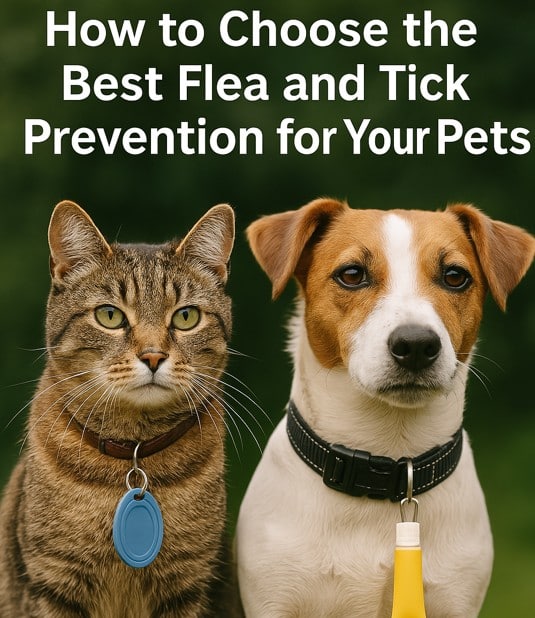
There are many flea and tick prevention products that can help in the fight. Some protect against fleas, or ticks only. Others offer protection against both. Some, in addition to fleas and ticks, add protection against other parasites, such as lice or mosquitoes. There are those that focus on immediately killing parasites already on your pet, but offer no long-term protection. Deciding which one works best for your pet comes down to your pet’s needs and your specific environment.
Your veterinarian will make a recommendation based on a number of factors: where you live, your dog’s health, and other pets and children in the household. This may sound complicated, but comes down to two actions: killing fleas and ticks on your pet right now and keeping fleas and ticks from attacking in the future.
Killing Fleas Right Now
If your pet has fleas right now, you can treat with medicated shampoos and sprays, or a quick kill pill that works within a few hours. Then proceed with preventatives.
Killing Ticks Right Now
If your pet has ticks, remove the ones that are attached. If you see one, check for other ticks that are crawling around or are attached somewhere else on your pet. Check your pet’s head and neck area very closely, as this seems to be a common spot for ticks to bite.
Keep Them From Coming Back – Preventatives
The second part of the fight against fleas and ticks is keeping them from coming back. These medications are called preventatives. One popular preventative approach is a topical medication that you put directly on your pet’s skin once a month.
Read the label. Not all topical medicines are created the same.
One product sold in stores for example works for dogs but is harmful for cats. You must know the difference to know which products you need for your pet and how to apply the product. One spreads protection by putting oils on the pet’s fur. To apply, pull back the fur and apply the product directly to the skin, starting with a spot on the neck and then one or two other spots down the back. Apply the liquid in spots where your pet is not likely to lick it off. In a couple of days the medication will spread and your pet will be protected all over his/her body.
The best time to apply the topical medication is at night, right before your pet goes to sleep and the kids are in bed. There are a few hours at that time for the liquid to start working before your pet rolls around or the kids start playing with them. Also, it is a good idea not to wash your pet for a couple of days before or after applying the medicine so the oils stay in the fur.
Other topicals are applied on the skin but are absorbed directly into your pet’s bloodstream. If you choose this method you need only apply the liquid in one spot, at the top of the shoulders or the back of the neck. After applying any topicals, wash your hands and don’t touch the wet spot.
Sprays may be another choice. Read the directions on the bottle or can.
Talk to Your Veterinarian
Your veterinarian will customize a flea and tick prevention program that works best for your pet and your family where you live. Enjoy the season with parasite free, healthy pets!
How to Choose the Best Flea and Tick Prevention for Your Pets 27
Conclusion:
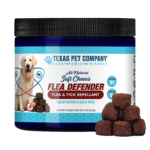
Selecting the best flea and tick prevention for your pet involves a careful balance between effectiveness, safety, and environmental responsibility. While traditional chemical treatments can be effective, they may pose risks to both your pet’s health and the environment. Natural alternatives, such as garlic-infused diets or pine tar sprays, offer gentler solutions but may require more frequent application and diligence. Products like Texas Pet Company’s Flea Defender Soft Chews combine natural ingredients with convenience, providing an easy-to-administer option that supports overall wellness. Ultimately, the best choice depends on your pet’s specific needs, sensitivities, and lifestyle. Consulting with your veterinarian can help determine the most suitable and effective treatment plan to keep your furry friend protected year-round.
Heartworms and fleas are parasites that can result in critical problems in pets. The good news is that it is now possible to prevent these parasites by utilizing safe, effective and easy-to-administer treatments. It is a well-known fact that heartworm disease can damage the lungs, heart, and other related blood vessels. This disease is spread through an infected mosquito bite. In dogs, heartworm disease is treatable, but it is very painful and expensive. While there are no authorized products for heartworm treatments in cats. Fleas are bloodsucking parasites that transmit tapeworms can result in flea allergy dermatitis (FAD). Hence, it is advised to prevent heartworms and fleas in pets.
Some facts about Heartworms
Heartworm disease affects dogs, cats and a maximum of thirty other mammal species.
This disease spreads through parasitic worms residing in the major lung vessels and at times in the hearts.
This disease can cause wide array of problems affecting the heart, liver, lungs and kidneys of the pets. In some extreme cases, it can even lead to death.
In cats, heartworms can result in respiratory disorder that imitates feline asthma. But there is no approved treatment of heartworms in cats.
Heartworm disease is 100% preventable but still there are many pets who are diagnosed with this disease every year.
There are more than 25% heartworm infected cats that live indoors.
They play a significant role in spreading cat-scratch fever disease between cats and humans.
Fleas can suck lots of blood from the pets that it can result in weakening and even life-grievous anemia.
Fleas can be seen nearly anywhere in the year. But they are less prevalent in colder months.
Prevention of fleas
Advantage is one of the best flea preventive treatment available in the market. It is completely waterproof monthly treatment which enables dogs from going into the water without the effect of the treatment to wear out. It aids in preventing flea allergy dermatitis (FAD). Flea bites are prevented within 5 minutes of administration of the treatment. It also kills 100% chewing lice within a week of administration and is effective for a full month. It kills adult fleas within half a day of administration and 99% flea larvae within 20 minutes of administration.
The combination of Advantage and Sentinel Spectrum is the easiest way to safeguard your pets from these pesky parasites.