Are you standing in your kitchen right now, peanut butter jar in hand, wondering if peanut butter for dogs is okay? I’ve been there, and I totally get why you’re asking this question. Let’s cut straight to what you need to know is peanut butter good for dogs.
Table of Contents
What You Need to Know Right Now
Yes, peanut butter safe for dogs– but wait! Before you grab that jar from your pantry. There’s a crucial catch. While peanut butter can be a delicious treat for your pup, not all types are safe. The biggest danger? A sweetener called xylitol (or sometimes listed as “birch sugar”) that’s toxic to dogs. Just a small amount can be dangerous, so this is super important to get right.
Think of it this way – peanut butter for dogs is like choosing the right treat for a toddler. You need to be careful, but when done right, it can be both enjoyable and beneficial for your furry friend.
Quick Safety Tip: If you’re in a hurry, check your peanut butter’s ingredient list right now. If you see xylitol or birch sugar, keep it away from your dog.
What Makes Peanut Butter For Dogs Safe or Dangerous?
As someone who’s spent countless hours researching and testing dog treats, I can tell you that not all peanut butter for dogs is created equal.
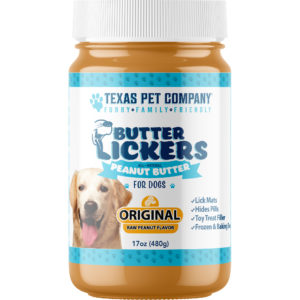
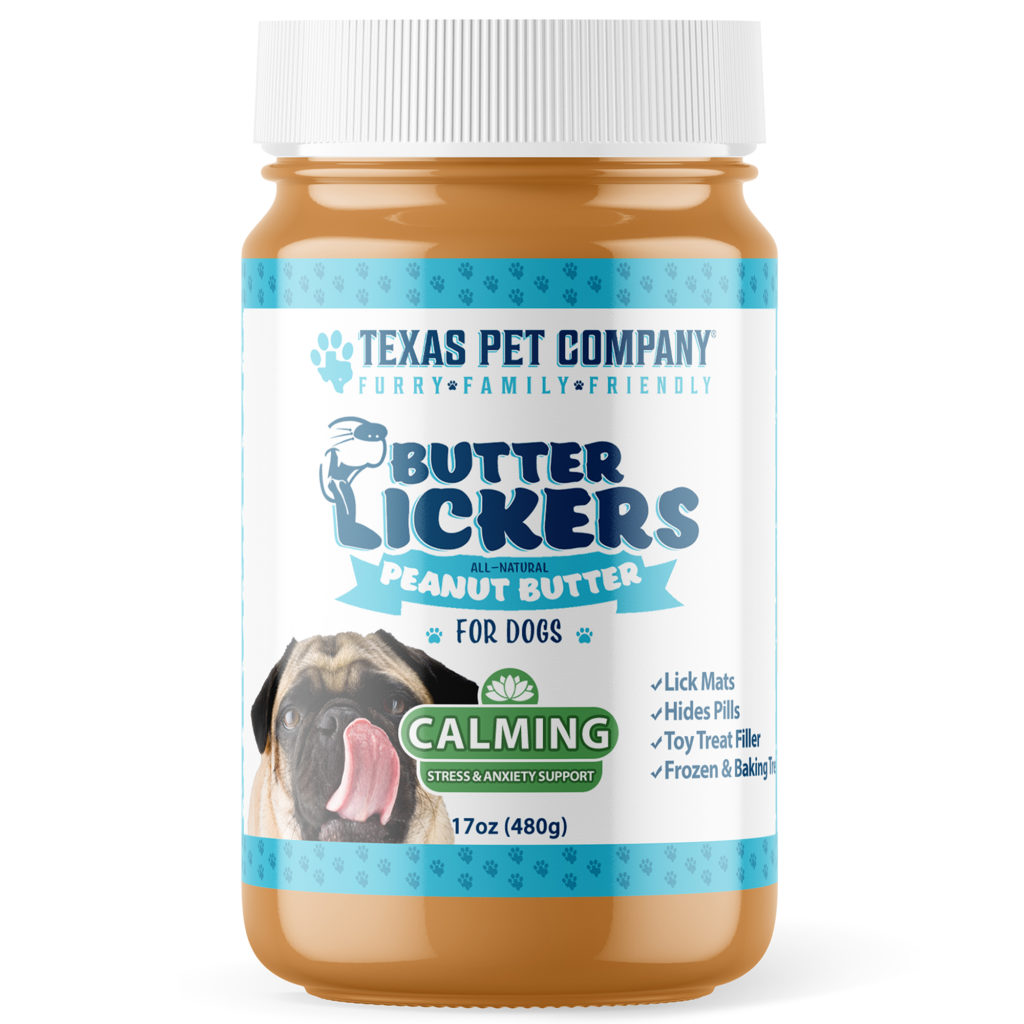
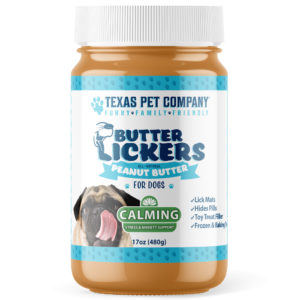
Raw, natural peanut butter is your best bet – just like Butter Lickers raw peanut butter that’s specifically crafted for dogs. When you choose best peanut butter for dogs, think “less is more.” You want something that’s:
Made with simple, natural ingredients
Free from artificial sweeteners
Specifically formulated for dogs
Raw and minimally processed
Read Labels Like a Pro:
Xylitol peanut butter is not safe for dogs. While you buy don’t just scan for xylitol. Look at the overall ingredient list. While checking labels the other day with my dog waiting patiently (okay, maybe not so patiently), I realized how tricky some brands can be with their labeling. Is peanut butter bad for dogs? Yes, Xylitol peanut butter are.
Watch out for:
Excessive salt
Added sugars
Hydrogenated oils
Artificial preservatives
Is Peanut Butter Right for YOUR Dog?
Just like humans, every dog is unique, and what works for one might not work for another. So choose the best peanut butter for dogs.
Let’s break this down based on your dog’s specific situation:
Age Matters:
Puppies (under 1 year): Start extra slow, tiny amounts only
Your dog’s activity level should influence your decision. A working dog or agility champion might benefit from the protein and healthy fats, while a couch potato might need to take it easy on the portions.
First-Time Guide: Introducing Peanut Butter to Your Dog
I remember the first time I gave my pup peanut butter – those excited tail wags and that adorably confused head tilt! But hold on, pet parents. Let’s do this the right way.
First impressions matter, so let’s start small. And when I say small, I mean tiny – about the size of your pinky fingernail. Here’s my tried-and-tested method that keeps your furry friend safe with peanut butter for dogs:
The 3-Day Introduction Plan
Day 1: The Safety Test Remember that time you tried exotic food for the first time? Well, your dog needs the same careful approach. Start with a tiny amount on your finger (using a natural, dog-safe option like Butter Lickers). Watch them for 24 hours. No tummy rumbles? Great!
Day 2: The Real Taste Now we can have some fun! Try a small dollop – about a quarter teaspoon. Pro tip: Have your phone ready, because that first proper taste reaction is priceless! But keep watching for any signs your dog’s tummy isn’t happy.
Day 3: Full Portion Time of the form the best peanut butter for dogs. If all’s well, you can now give a full portion based on your dog’s size. But wait – there’s a trick to portions that nobody talks about…
Warning Signs to Watch (Trust Your Gut!)
Nobody knows your dog better than you do. Watch for:
Excessive lip licking (more than usual)
Any changes in energy level
Different bathroom habits
Scratching more than normal
Serving & Usage Guide
Here’s where most people go wrong – they just scoop and serve. But there’s an art to this! Having spent years working with dogs, I’ve learned some tricks that make peanut butter for dogs time safer and more enjoyable.
Perfect Portions (Not What You’d Expect!)
Small dogs (under 20 lbs): 1/2 teaspoon max
Medium dogs (20-50 lbs): 1 teaspoon max
Large dogs (over 50 lbs): 2 teaspoons max
But here’s the game-changer – split these portions throughout the day! Using a natural, raw product like Butter Lickers makes this easier because it’s specifically formulated for proper consistency and portion control.
Creative Serving Ideas (That Actually Work)
Forget just stuffing it in a Kong (though that’s great too). Try these tested methods:
Frozen summer treats (perfect for Texas heat!)
Training reward stations
Pill camouflage (works like a charm)
Lick mats for anxiety relief
Situational Guide: When and Where (The Details Nobody Tells You)
Timing is everything, folks! After years of experience, I’ve learned there are perfect (and not-so-perfect) times for peanut butter treats for dogs. Let’s get specific:
Best Times For Peanut Butter:
Morning training sessions? Perfect! Pre-walk energy boost? Go for it! Afternoon enrichment? Absolutely!
When to Skip It:
Right before bedtime (trust me on this one)
Just before vet visits (makes examination tricky)
During hot afternoon walks (can make them thirstier)
Here’s a pro tip nobody shares: Keep a “peanut butter station” in your home. A designated spot where your dog knows they might get this special treat. It helps with training and prevents begging every time you open the pantry!
Emergency Preparedness (Because Better Safe Than Sorry)
Picture this: You’ve just given your dog a dollop of what you thought this peanut butter for dogs was harmless. Suddenly something doesn’t feel right. Your pup looks uncomfortable, maybe a bit strange. As a dog parent who’s been through some scary moments. I can tell you what to do in an emergency.
Recognizing the Red Flags: Allergic Reaction Signs
Dogs, just like humans, can have unexpected allergic reactions. It’s not just about xylitol – sometimes, even a seemingly peanut butter brands safe for dogs can trigger a response. Think of it like a surprise party your dog’s immune system definitely didn’t want to attend.
Pro Tip: If you notice multiple symptoms, don’t wait. Every minute counts.
Immediate Action Plan: What to Do Right Now
When an allergic reaction hits, you need to be faster than a dog chasing a squirrel. Here’s your emergency roadmap:
Remain Calm (Easier Said Than Done)
Your dog can sense your stress
Deep breaths
Stay focused
Immediate Isolation
Remove the remaining peanut butter
Prevent further consumption
Keep dog in a quiet, comfortable space
Monitoring Phase
Check breathing
Note exact symptoms
Time of reaction
Amount consumed
Emergency Contact
Call your vet immediately
Describe symptoms in detail
Follow their guidance
Vet Communication
When it comes to your dog’s health, documentation might seem like bureaucratic overkill, but it’s your secret weapon in emergency situations. Think of it as a medical passport for your furry friend – a comprehensive record that could literally save their life when every second counts. When you call the vet, they’ll want specific information. Be prepared with:
Dog’s age and weight
Exact peanut butter brand
Amount consumed
Time of first symptoms
Any pre-existing health conditions
Current medications
Documentation
Communication with your veterinarian is more than just scheduling routine check-ups – it’s a critical partnership in your dog’s health journey. The more informed and proactive you are, the better care your dog receives, especially when unexpected health situations arise with something like peanut butter consumption. Keep an emergency document that includes:
Peanut butter for dogs isn’t just a treat – it’s a training superpower. Used right, it can transform your training sessions from frustrating to fantastic.
Imagine having a secret weapon that makes your dog listen, learn, and love every moment of training. That’s peanut butter for dogs. It’s like the Mary Poppins of dog treats – a spoonful of something delicious helps the training go down.
Training Techniques
Positive reinforcement marker
Distraction technique
Focus building
Trick learning
Behavioral correction
Alternative Treats
Mashed pumpkin
Greek yogurt
Banana
Carrots
Commercial dog treats
Kong Stuffing: The Art of Engagement
A stuffed Kong is like a doggy puzzle that keeps them busy for hours. It’s mental stimulation meets delicious reward.
Kong Stuffing Pro Tips:
Layer different textures
Freeze for longer entertainment
Mix with other healthy ingredients
Rotate filling styles
Use as meal replacement occasionally
So now what peanut butter is safe for dogs?
Wait let me warn you about the red flag brands to AVOID:
Brands with Xylitol
Processed peanut butters
Peanut butter with added salt
Low-fat versions
Brands with multiple chemical additives
While these brands can work, Butter Lickers offers something extraordinary:
100% Raw Ingredients
Texas-Made
No Hidden Additives
Perfectly Portioned
Veterinarian Approved
Frequently Asked Questions
How much peanut butter can I give my dog?
It’s not a one-size-fits-all answer. Think of peanut butter for dogs like a treat, not a meal. As a general rule: Small dogs: 1/2 teaspoon per day Medium dogs: 1 teaspoon per day Large dogs: Up to 1-2 teaspoons per day Pro tip: Treats should never make up more than 10% of your dog’s daily calorie intake.
Can puppies eat peanut butter?
Yes, puppies eat peanut butter for dogs but with extreme caution! Puppies have more sensitive digestive systems. Wait until they’re at least 6 months old Start with tiny amounts Watch for any allergic reactions Always consult your vet first
Is homemade peanut butter better?
Not necessarily. Homemade can be tricky because: It’s hard to control ingredient consistency Risk of improper storage Potential contamination Professionally made dog-specific peanut butter (like Butter Lickers) ensures: Consistent quality Safety standards Specific dog nutrition needs
Emergency Contacts You Should Save
Veterinary Emergency Contacts:
ASPCA Animal Poison Control: (888) 426-4435
Pet Poison Helpline: (855) 764-7661
Pro Tip: Save these numbers in your phone RIGHT NOW. Don’t wait for an emergency to start searching.
Myth Busting
Myth: All peanut butter for dogs are same.
FACT: Absolutely not! There are critical differences:
Commercial human peanut butter often contains harmful additives
Dog-specific brands are formulated for canine nutrition
Professional products undergo rigorous safety testing
Myth: More peanut butter means more love.
FACT: Moderation is key! Overfeeding can lead to:
Weight gain
Potential pancreatitis
Digestive issues Love is about quality, not quantity.
Final Thoughts
Remember, every dog is unique. What works for your neighbor’s Golden Retriever might not work for your Chihuahua. Always:
Peanut butter can be a safe and enjoyable treat for dogs when given in moderation and with the right precautions. Always choose natural peanut butter free of harmful ingredients like xylitol, excessive salt, and sugar. Start slowly when introducing it to your dog and keep an eye out for any adverse reactions. By using it creatively and responsibly, peanut butter can be a fun and nutritious addition to your dog’s diet. For more detailed guidelines, check with your vet to ensure it’s right for your pup’s health needs.
Peanut Butter For Dogs 101: Everything You Must Know Before Feeding 4
Peanut Butter For Dogs 101: Everything You Must Know Before Feeding 5
Peanut Butter For Dogs 101: Everything You Must Know Before Feeding 6
Pet Flea and Tick Treatments are available in many places.
But which one is best for you and your pet?
Pet Flea and Tick Treatment: Which One IS Best? 9
If you own a pet, chances are you have had to deal the nuisance of fleas and ticks. There are many treatments available on the market now but consideration must be taken into what treatment to use as every dog is different.
Flea and tick shampoos do the trick but can contain harsh chemicals which can treat the bugs but sometimes will cause damage to the dogs skin especially if the dog is prone to skin allergens. The natural option which is an old age remedy is adding cooked garlic to the dogs meals, this works from the inside and has been a very successful flea and tick treatment for many years. You can also find these natually repelling ingredients in products like supplements or soft chew treats.
Another natural option is pine tar soap, simply buy the soap (which can be purchased from a health food store) and shave some into a trigger spray bottle and fill it up with water. When sprayed on the coat this is very effective for killing fleas on target. Also remember to spray the be bedding to be sure all the fleas are dealt with.
Frontline is also a great non-evasive pet flea and tick treatment and is administered at the back of the neck. It can be expensive and needs to be used on a regular basis. There are also hypoallergenic flea and tick shampoos available on the market and are very good for dogs with skin allergens. If your dog does suffer from skin conditions consult your vet first to be safe. When washing your dog with a flea treatment, always make sure the shampoo is the right product for your dog. All dogs are different and will have different reactions to different products.
If the dog is dirty give him/her a brief wash with a cleansing shampoo first so the hair is clean before using a flea treatment product. Also clean the bedding as well and maybe use a flea powder or spray to get rid of any eggs that may be invisible to the eye to avoid reinfestation of fleas and ticks.
Always follow any instructions on the product and repeat procedure if advised to do so as there may still be eggs in the hair and this will avoid reinfestation in the dogs hair. When using a product like Frontline it is advised to use this as a long term treatment to guard against fleas and should be followed correctly or the product may not be effective. If the problem persists, consult your vet.
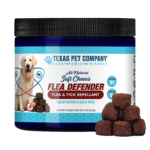
Flea Defender is a great all-natural option. These soft chews are an all-natural solution for flea and tick prevention for dog. They defend against fleas and ticks using natural ingredients. Enriched with Vitamins B1, B6, and B12. These vitamins not only help stimulate healthy growth but also support appetite and digestion.
Pet Flea and Tick Treatment: Which One IS Best? 10
Conclusion
In conclusion, selecting the right pet flea and tick treatment for your pet is crucial for their health and comfort. While traditional options like shampoos and topical treatments can be effective, they may contain harsh chemicals that could irritate sensitive skin. Natural alternatives, such as garlic-infused diets or pine tar sprays, offer gentler solutions but may require more frequent application and diligence.
Products like Texas Pet Company’s Flea Defender Soft Chews combine natural ingredients with convenience, providing an easy-to-administer option that supports overall wellness. Ultimately, the best choice depends on your pet’s specific needs, sensitivities, and lifestyle. Consulting with your veterinarian can help determine the most suitable and effective treatment plan to keep your furry friend protected year-round
According to the CDC, “social distancing”, also called “physical distancing,” means keeping a safe space between yourself and other people who are not from your household.
To practice safe social or physical distancing, stay at least 6 feet away from other people who are not from your household in both indoor and outdoor spaces.
Social distancing should be practiced in combination with other everyday preventive actions to reduce the spread of COVID-19, including wearing cloth face coverings, avoiding touching your face with unwashed hands, and frequently washing your hands with soap and water for at least 20 seconds.
Let’s do our part to be part of the solution.
Here is a measuring guide to social distancing in dog ears, according to Fido. (Not CDC official, but it’s fun). Social distancing in dog ears is a good way to measure.
Social Distancing In Dog Ears 12
What do experts recommend for social distancing dogs?
Experts typically do not recommend “social distancing” for dogs in the same way they do for humans, but there are specific scenarios—such as during outbreaks of infectious diseases (like canine influenza or a novel zoonotic virus)—where limiting contact between dogs or between dogs and unfamiliar people/animals may be advised.
During Disease Outbreaks (ex. canine influenza, kennel cough):
Avoid crowded dog parks, boarding facilities, and group training classes.
Keep walks local and on-leash to prevent nose-to-nose greetings with unknown dogs.
Maintain distance from sick animals (symptoms include coughing, nasal discharge, lethargy).
Disinfect leashes, bowls, and bedding if exposed to shared environments.
If a Pet Owner is Sick (ex. COVID-19 or another contagious illness):
Limit close contact with pets (kissing, petting, snuggling).
Have another household member care for the pet, if possible.
Wash your hands before and after handling pets, pet food, or pet waste.
Puppy Socialization Needs:
Experts emphasize balancing disease risk with critical social development:
Safe exposure to calm, vaccinated dogs is still recommended for young puppies.
Use controlled, well-vetted environments like small puppy classes led by trainers with vaccination protocols.
Bottom Line:
In conclusion, dogs don’t need full isolation, but strategic distancing during disease outbreaks or when owners are ill can prevent transmission of illnesses. For puppies and healthy adult dogs, regular social interaction is key to preventing behavioral issues. Just do it smartly and safely.
Is flea & tick prevention treatment important for dogs?
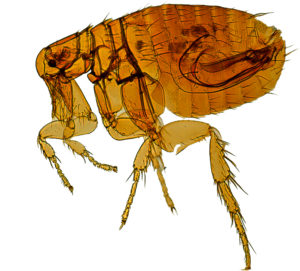
Fleas really are a dog parent’s worst nightmare. These little insects bite, jump, and use your dog as a host for their breeding ground. You can control flea infestation by regular grooming and proper treatment in dogs.
According to a report by the Natural Resources Defense Council (NRDC), many insect control products, even if used as recommended, can have serious health consequences for dogs and humans. These products mainly include organophosphate (OP) compounds, which are dangerous to pet health due to long-term exposure.
The good news is that many all-natural flea treatments are effective and also safe for you, your dog, and the environment.
3 Key Ingredients for Flea & Tick Prevention In Dogs
Here in this article, we will discuss how some natural ingredients are beneficial to your dog for flea & tick prevention or deterrent and can be used as all-natural flea & tick treatments.
Natural Flea & Tick Prevention and Repellants
Red Rice Yeast
This is the product of the rice produced by fermentation with the yeast strain Monascus purpureus. It is a dietary supplement widely used in humans as a cholesterol-lowering agent. It also has many benefits for dogs.
It is used as a flea & tick repellent in dog chews and treats because after regular use, the dog body will excrete an odor that repels fleas.
Some studies also show that red rice yeast can help reduce inflammation and promote health if used long-term.
Brewer’s Yeast
It is popular yeast used in the manufacture of bread and beer. Brewer’s yeast contains a lot of nutrition like minerals (chromium and selenium) and vitamins (vitamin B). It is also used as a flea deterrent due to the odor produced on the dog’s skin after ingestion.
Vitamin B is good for the dog’s fur and coat. If the dog is bitten by a flea or tick, these vitamins will quickly heal the skin and decrease the chances of flea allergies in dogs.
Garlic
Garlic is the most widely used herb in the world and is known for its antibiotic, antiseptic, antimicrobial, and antifungal properties. It can also lower blood pressure and promote the growth of good bacteria in the digestive tract.
Contrary to popular belief, garlic is not toxic for dogs but also beneficial in small quantities. Garlic can also be used as an anthelmintic in dogs.
Recent research shows that when garlic is fed, it tends to repel fleas and ticks. This is because the sulfur in garlic is excreted through the dog’s skin and will keep fleas at bay.
Parasites, especially fleas, attack the host with the lowest immunity and poor health. If our dog has good health and strong immunity then he can easily fight with flea infestation.
Diet is the most important factor that determines health. The diet with many natural ingredients has a better effect on the immunity and health of the dog, so always look for the natural ingredient in dog food and treats.
One solution
We know that it is difficult on your part to gather all of these natural ingredients and give them to your dog in specific amounts. Flea Defender soft chew dog treats are the best all-natural flea and tick prevention and repellent.
In conclusion, opting for all-natural flea and tick prevention methods offers a safer and effective alternative to chemical treatments. Natural ingredients like red rice yeast, brewer’s yeast, and garlic not only help repel pests but also contribute to your dog’s overall health by reducing inflammation, enhancing skin and coat condition, and supporting immune function. These holistic approaches minimize the risk of adverse reactions associated with synthetic chemicals, ensuring a healthier environment for both pets and their owners. Embracing natural solutions reflects a commitment to your pet’s well-being and the planet’s health.
Founding any animal rescue is not for the faint of heart. Founding a rescue in a foreign country filled with unfamiliar regulations and different cultural perception towards animals is downright intimidating, at least to almost any rational thinking human being. Yet without brave souls willing to take on such a task countless more animals in the world would suffer. Not to mention that serial volunteers, such as myself, would be without opportunities to help, at least without diving head on into founding an organization ourselves.
The Founding of a Thailand Dog Rescue - An Interview With Amandine Lecesne, Of Care For Dogs 19
Care for Dogs in Chiang Mai, Thailand, is my favorite place to volunteer. Within their shelter walls I have whiled away hours socializing dogs one day, then the next day, I’ve escaped to spectacular gold-covered, Buddhist temples (wats) to help capture dogs for their spay/neuter program. I am eagerly counting the days until I can return and do much more. As a result of the gifts they have given to both me and to the animals of Northern, Thailand, I wanted to learn more.
Indeed, I wanted to get a peek inside the mind of one of those extraordinary folks who boldly go where even the most foolhardy rescuers have never gone before – establishing a rescue from the ground up. What makes these most intrepid of rescuers tick? Is it a passion for red-tape and astronomical odds, or is there more to it? The following is an interview with Amandine Lecesne. Amandine is one of the co-founders of Care for Dogs, now named Hand to Paw Thailand.
How did you get your start in animal rescue?
I grew up in the Alps in France and I remember watching the deer out my window and loving their grace. I learned a profound reverence for nature’s families. At thirteen, I stopped eating meat out of respect for animals and at 17, began dreaming of starting a shelter. Though I never set out to complete my dream, years later, when the opportunity presented itself to start Care for Dogs, I jumped on it!” What brought you to Thailand?
“I moved to Thailand in 2005 to work as a teacher and to do some volunteer work. I hadn’t found a passion yet, and I wanted to explore options. I had worked as a counselor and, once in Thailand, started working with immigrants. But once here, I couldn’t overlook the hundreds of street dogs limping, scrounging for scraps in trash, being kicked and hit, birthing litters on street corners, starving, walking around with tumors or open wounds, scratching fleas off, losing energy from the bloodsucking ticks riddling their bodies, and dying either from traffic accidents or of diseases. Helping the street dogs became a priority and it has been an incredible joy to see some of these creatures find safety and protection and even start wagging their tails again!”
What made you decide to start an animal rescue in Chiang Mai?
“We set up a shelter/animal rescue group in Thailand primarily because there was such a tremendous need for one. Although all countries have a need for shelters/spay campaigns/adoption programs, etc, Thailand is one of the only countries whose overall human population really wanted to help reduce the stray/suffering dog population without resorting to eating dogs, but they just didn’t have the funds/knowledge to go about doing so in a kind and loving manner. It was obvious to us that there was both a really desperate need for an animal rescue group/shelter as well as a desire from the community to see such a program be put in place.”
When and how did you go about founding Care for Dogs?
“I developed an intimate friendship with Karin Hawelka who was as passionate about caring for the street dogs around our area as I was, and was as hopeful that, if we started a shelter, we could potentially attract enough financial support to really make a difference in the dogs’ lives. Though our rescue work started much earlier, our shelter officially opened June 2006. We’ve been expanding our efforts and impact ever since!”
What is your job like there?
“Unlike Karin who stays and maintains the shelter operations on a daily basis, I go back and forth between Thailand and the states (I go back to the US in part to work, in part to continue my studies). When I’m in Thailand, my job consists of giving vaccinations, bringing dogs to the vet to be spayed, cleaning wounds, administering ivermectin to dogs suffering from mange, putting IV lines in for dogs who need extra hydration, responding to emergency calls, helping with adoptions, deworming street dogs, doing heartworm tests (and giving the appropriate treatment if they test positive), caring for newborns, and often (unfortunately, too often) caring for dying and/or severely ill dogs.
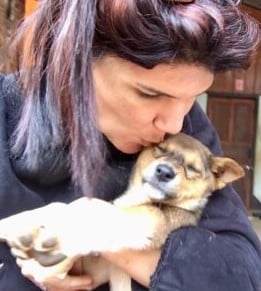
What I enjoy doing the most, though, is going around the familiar temples and parking lots on which many dogs roam. I like checking in on the doggies to make sure they’re healthy, being looked after by neighboring street vendors, up to date on their vaccinations and deworming, free from ticks and fleas, as well as spayed/neutered. I love calling out when I arrive and having 4-7 dogs who know me come rushing out of bushes, corners, under benches, to say hi and eagerly receive kisses and belly rubs! These dogs are truly the loves of my life.”
What does your family think of your rescue work?
“My family has been extremely supportive of the work we do. They’ve had the opportunity to come to Thailand and see the issues first hand and therefore understand our inability to turn a blind eye to the animals’ suffering.”
What is the best rescue story you’ve seen?
“One of the best rescue stories we’ve seen started in September of 2007. It was at that time that several concerned children of an old lady that had recently passed away contacted Care for Dogs and explained that their kind elderly mother had been taking street dogs into her home for years. Although she’d had good intentions to provide a safe home for each of the rescues, she had felt pressured by her neighbors to keep them quiet and had resorted to locking them up in covered up cages so as to stop them from seeing anything that would alarm them, including each other.
Unfortunately, she knew, that a sad reality was that if the dogs barked too much, they could be poisoned or taken and sent away to the meat market by annoyed neighbors. When we got to her house, we were shocked and horrified to witness 14 dogs being kept in a constant state of loneliness and boredom. Although some were “fortunate” to be imprisoned with another dog, some were completely isolated in their own small dark space. Some of the dogs were at various stages of blindness, apparent from their white eyes and a couple were quite old and frail. All of them, though, were completely terrified of anything outside of their tiny 2 x 2 cell.
When they first arrived at the Care For Dog shelter, many of the 14 dogs were unable to leave the security of a corner or the darkness under a floor of a hut for quite some time, cowering with their tail between their legs. With our volunteers’ help and patient understanding, slowly but surely, they all emerged into the main area of the shelter and started getting some much needed play and socialization. Although the dogs have not all fully recovered from their neglect, we hope that some day, with the love and affection they continue to receive on a daily basis that they will! We’re incredibly grateful to have been a part of these dogs’ rescue and have enjoyed helping each of them start wagging their tails again.”
What are your goals?
“Our main priority is on spaying. Sterilizing is the only effective preventative method to reduce the number of unwanted street dogs. We are currently spaying between 400-500 dogs a year, though we hope to increase those numbers even further. We are also striving to see that every dog has a loving and forever home. To date, we have found homes for over 500 animals!
In general, we strive to work with communities so that families adopt stray dogs instead of purchasing purebreds, give them a stable and caring home, pet their dogs instead of hit them, spay/neuter them before reproductive age, and take them to the vet whenever they fall ill. Until that process is achieved, we will continue to work hard with communities, temples, schools, and families, to teach animal compassion, relating, bonding, and understanding.”
What volunteer opportunities are available at your rescue?
“Individuals who wish to volunteer with us have the opportunity to come socialize our dogs by playing, grooming, bathing, or walking them. Many street dogs have never had the constant love and support volunteers can provide them! Our dogs, in turn, are always fond of newcomers who have a passion for helpers. They can sense good intentions and will eagerly jump on the occasion to be paid attention to. People can also help with vet trips and/or temple runs, learn to give injections and treat mange, pick up dogs who need to be spayed or taken to the vet for a physical, do heartworm tests, help with emergency calls, assist with writing articles for the website, aid us in fundraising or other types of administrative work. We also always have loads of opportunities for those wishing to help us with translations!”
What would you like the Thai people to know most about dogs in their country?
“I’d like everyone to realize just how incredibly caring and loving dogs can be. Because of the attachments that they are able to form, they can also be pained by the separation from those they’ve learned to care about. I’d like all humans to be simply more humane when interacting with animals, and understand that street dogs are frightened, hungry, and often hurting and that they would benefit so much from a kind gesture of food or hug. It’s important to remember that, a long time ago, human beings were the ones who brought wolves into their homes in order to protect their territory. We are the ones who transformed wolves into dogs and made them dependent on our care and affection. We therefore have a responsibility to them to hold up our part of the bargain – wolves and dogs have, for many centuries, protected and watched over us. Now it is our turn to protect and watch over them”
What would you like the people of the world to know most about the dogs of Thailand?
“I would be grateful if people around the world would see and realize that many street dogs in Thailand are being at best ignored, but at worst abused, maltreated and harassed. It’s important to funnel our energy into programs, like Care for Dogs, which help local communities manage the street dog population with kindness, understanding and patience. I would also like the people of the world to realize that vet services in Thailand are a tenth cheaper than they would be in the West so you can imagine what a difference to our efforts even a small contribution can make!”
Is there anything else you would like to mention about the work of your rescue?
“Our first priority is spaying female street, temple, parking lot and community dogs in order to reduce the number of homeless dogs in a humane way. Our current budget allows us to spay between 400-500 dogs per year. After spaying, we keep the dogs for one week at our shelter for after-care before they are returned to their original areas. We wish we could keep all street dogs with us but due to limitations in space, we just can’t! We’re convinced, however, that spaying the ones we do find will inevitably reduce the overpopulation and limit the suffering future generations will have to endure.
Additionally, vaccinations are a very important part of our protocol for homeless dogs. Deworming, heartworm prevention, de-flea and de-tick treatments are also a regular part of our health care program. Once the dogs are healthy and spayed, we actively look for new homes for the dogs at our shelter. For every dog that’s adopted, we can take a new one to our shelter. Last year we found new homes for 202 dogs and cats, and this year, 180 homes were found!
Furthermore we operate a rescue-service. We regularly take in sick or injured dogs for treatment. On average, we have approx. 20 – 30 dogs staying at the shelter for medical treatment. Last, but not least, we have organized an educational program named “Professor Paws”. We work with local schools to enable school classes to visit our shelter, sensitizeing the kids and teachers to the homeless dog situation. Last year, we also started a school project in a temple where we introduced a group of students to basic dog care and organized spayings, vaccinations and feeding. The students even organized various fundraising events (e.g. movie nights or bake sales) to help raise funds for this project.
We are also currently developing future school-temple projects as well as dog-care workshops for dog owners in surrounding villages. “
As you see Amandine and fellow co-founder Karin Hawelka are as irrepressible as they are inspirational. Perhaps to some people establishing an animal rescue simply feels like the most natural thing on Earth. Brave souls!
Most peanut butter is safe for dogs to eat, and in moderation, it can be an excellent treat for our furry friends. Here are some reasons why dog peanut butter is so enjoyable:
Protein and Healthy Fats: Peanut butter is rich in protein and healthy fats, which can be beneficial for dogs. It provides essential nutrients that contribute to their overall well-being.
Vitamins B and E: Peanut butter contains vitamins B and vitamins E, which are important for maintaining a dog’s health. These vitamins support various bodily functions and help keep their coat and skin in good condition.
Niacin: Niacin (Vitamin B3) is also present in peanut butter. It plays a role in energy production and supports proper cellular function.
Entertainment: Dogs love the taste and texture of peanut butter. It can be spread inside hollow bones or toys, providing them with a long-lasting treat. Alternatively, they can lick it directly from a spoon or your finger as a quick reward.
However, there are a few things to keep in mind:
Moderation: Too much peanut butter can lead to obesity and other health complications, such as pancreatitis. As a general guideline, all treats should not make up more than 10% of your dog’s diet.
Choose Wisely: Opt for unsalted peanut butter, specially-made dog peanut butter, or homemade peanut butter. High sodium levels can be problematic for dogs, and homemade versions avoid extra sugar and additives.
Beware of Xylitol: Some peanut butter brands use the sweetener xylitol, which is toxic to dogs. Xylitol consumption causes a rapid release of insulin, leading to dangerously low blood sugar levels. Always check labels and keep xylitol products out of your dog’s reach.
Don’t Take Our Word For It…Listen to Captain Woofington
Is Peanut Butter Good for Dogs? Can Dogs Eat It? 23
In a parallel universe where dogs rule the internet and squirrels are their sworn enemies, there exists a secret society known as the PBPA (Peanut Butter Paw Association). Their mission? To spread the gospel of peanut butter to every four-legged friend on the planet.
Meet Captain Woofington, the dashing leader of the PBPA. With a twinkle in his eye and a dollop of creamy peanut butter on his snout, he addresses his loyal recruits:
“Fellow canines, gather ’round! Today, we unveil the truth about peanut butter. It’s not just a tasty treat; it’s our ticket to eternal happiness. Here’s why:
Peanut Butter Protein Power: You see, peanut butter is like a mini gym session for our taste buds. It’s packed with protein—our secret weapon against squirrel evasion. One spoonful, and we’re ready to chase those bushy-tailed rascals up trees!
Vitamins B and E: Peanut butter isn’t just a spread; it’s a vitamin-packed adventure. Vitamins B and E keep our fur shiny and our tails wagging at optimal speed. Plus, they enhance our ability to decipher squirrel chatter. Trust me, those acorn-loving conspirators won’t know what hit ’em.
Niacin Nirvana: Ah, niacin—the mystical ingredient that turns ordinary dogs into peanut butter-loving legends. It’s like doggy rocket fuel. One lick, and suddenly we’re doing zoomies around the living room, defying gravity.
“But wait,” you say, “what about moderation?” Excellent question, my furry friends! Moderation is key. Too much peanut butter, and we risk becoming couch potatoes. And let’s face it, couch backflips are so last season.
Now, let’s address the elephant in the room—the dreaded Xylitol. Some peanut butter brands sneak this villainous sweetener into their jars. But fear not! We’ve developed a canine sixth sense to detect xylitol from a mile away. If you spot it, bark like you mean it and alert the PBPA hotline.
In conclusion, my fellow peanut enthusiasts, let’s embrace the peanut butter revolution. Spread it on bones, lick it off spoons, and write love letters to your favorite squirrel (just kidding, don’t do that). And remember, life is better with a belly full of peanut butter and a squirrel-free backyard.
Captain Woofington out!”
And so, the PBPA continued their noble quest, one peanut butter jar at a time. Because when the world hands you peanuts, make peanut butter—and then lick it off your paws like a boss.
Also, give your furry friend other treats. Click here to see more. Best Dog Treats.
Disclaimer: No squirrels were harmed in the making of this story. Peanut butter-induced lickies, however, are a real phenomenon.
A Guide to Caring for Your 20 Week Old Puppy: Everything You Need to Know
Table of Contents
Are you the proud owner of a 20 week old puppy? Congratulations! This is an exciting stage in your furry friend’s life, full of growth, energy, and lots of adorable moments. But as a responsible pet parent, it’s important to know how to properly care for your 20 week old puppy to ensure they stay healthy and happy. In this comprehensive guide, we will provide you with everything you need to know about caring for your four-legged companion at this stage of their life.
From nutrition and exercise to socialization, communication, and training, we’ll cover all the essential aspects of new puppy care. Discover the best diet for your pup’s growing needs and dog supplements. Learn how to maintain their hygiene, and understand the importance of regular veterinary check-ups. We’ll also delve into the importance of mental stimulation and socialization for your puppy’s development.
Whether you’re a first-time puppy parent or looking to refresh your knowledge, this guide is here to support you every step of the way. So, let’s embark on this exciting journey together and give your puppy 20 weeks the love and care they deserve.
Understanding the developmental milestones of a 20 week old puppyschedule
At 20 weeks old, your puppy is entering a crucial stage of development. Understanding their milestones can help you provide the appropriate care and support. By this age, most 20 weeks old puppy have finished teething, and their adult teeth have fully erupted. They are also more coordinated and agile, making it a great time to introduce more complex training exercises. Additionally, your puppy’s energy levels may be at their peak, so providing plenty of mental and physical stimulation is essential for their overall well-being.
It’s important to note that each puppy develops at their own pace with our 20 week puppy schedule. Some may be more advanced in certain areas, while others may take a bit longer to reach certain milestones. As a pet parent, it’s crucial to be patient and understanding as your puppy continues to grow and learn.
Feeding and Nutrition for a 20 Week Old Puppy
Proper dog nutrition is crucial for the healthy development of your 20 week old puppy. At this stage, their nutritional needs may differ from when they were younger. It’s important to consult with your veterinarian to determine the best diet for your pup’s specific breed, size, and individual needs.
A balanced diet should consist of high-quality puppy food that is specifically formulated for their age and breed. You can have the best dog supplements and treats here. Look for a food that contains the right balance of protein, carbohydrates, vitamins,and fats to support their growth and provide them with the necessary energy. It’s also important to follow the recommended feeding guidelines provided on the packaging, as overfeeding can lead to obesity and other health issues.
In addition to a nutritious diet, it’s crucial to provide your 20 weeks puppy with access to fresh, clean water at all times. This will help keep them hydrated and support their overall well-being. Remember to monitor their weight regularly and make any necessary adjustments to their feeding schedule or portion sizes as they continue to grow and develop.
Exercise and Physical Activity for a 20 Week Old Puppy
As your puppy grows, their exercise needs will also increase. Regular physical activity is essential for their overall health and well-being. Aim for a minimum of 30 minutes to an hour of exercise each day, depending on your puppy’s breed and energy levels.
Engaging in activities such as walks, play sessions, and interactive games can help burn off excess energy and prevent behavioral issues. It’s important to provide a variety of exercise options to keep your puppy mentally stimulated and physically fit. Consider incorporating activities such as obedience training, agility courses, or even swimming, depending on your puppy’s interests and abilities.
Remember to start slow and gradually increase the intensity and duration of exercise as your puppy builds stamina. Avoid overexertion, especially in hot weather, and always provide access to fresh water during and after physical activity.
Basic Training Tips for a 20 Week Old Puppy
Training is an essential part of raising a well-behaved and obedient dog. At 20 weeks old, your puppy is at the perfect age to start basic training exercises. Here are a few tips to get you started:
1. Positive Reinforcement: Use rewards such as treats, praise, and playtime to reinforce good behavior. Avoid punishment-based training methods, as these can have negative effects on your puppy’s development and trust in you as their owner.
2. Consistency: Establish a consistent routine for training sessions, and use clear, concise commands that your puppy can easily understand. Repetition and consistency are key to successful training.
3. Socialization: Expose your puppy to various environments, people, and other animals to help them become well-adjusted and confident. Puppy socialization classes can be a great way to introduce your pup to new experiences and help them develop proper social skills.
4. Patience: Remember that puppies have short attention spans and may not grasp commands immediately. Be patient and understanding, and celebrate small successes along the way.
Socialization and Behavior Management for a 20-Week-Old Puppy
Socialization plays a crucial role in shaping your puppy’s behavior and temperament. Exposing them to different people, animals, and environments from an early age can help prevent fear, anxiety, and aggression issues down the line. Here are some tips for effective socialization:
1. Positive Experiences: Ensure that your puppy has positive experiences with people and animals of all ages and sizes. Use treats and praise to reward calm and friendly behavior during social interactions.
2. Gradual Introductions: Introduce your puppy to new situations and environments gradually, starting with low-stress situations and gradually increasing the level of difficulty. This will help them build confidence and reduce the risk of overwhelming or frightening experiences.
3. Training Classes: Consider enrolling your puppy in a puppy socialization class or obedience training program. These classes provide structured environments for socializing and learning important skills under the guidance of experienced trainers.
4. Behavior Management: Teach your puppy basic commands such as sit, stay, and leave, to help manage their behavior in different situations. This will help them understand boundaries and make them more pleasant to be around.
Common Health Issues and Preventive Care for a 20-Week-Old Puppy
Maintaining your puppy’s health is crucial for their overall well-being. Regular veterinarian check-ups are essential at this stage to ensure your puppy is growing and developing properly. Here are some common health issues to be aware of and preventive care measures to consider:
1. Vaccinations: Ensure that your puppy is up to date on all necessary vaccinations to protect them against common diseases. Your veterinarian will provide you with a vaccination schedule tailored to your puppy’s needs.
3. Dental Care: Start a dental care routine early by brushing your puppy’s teeth regularly and providing appropriate dental chews or toys. This will help prevent dental disease and keep their teeth and gums healthy.
4. Spaying/Neutering: Discuss the appropriate time for spaying or neutering your puppy with your veterinarian. This procedure can help prevent certain health issues and unwanted behaviors.
5. Monitoring Overall Health: Keep an eye out for any changes in your puppy’s appetite, energy levels, coat condition, or bathroom habits. These can be indicators of underlying health problems, and it’s important to seek veterinary attention if you notice anything unusual.
Grooming and Hygiene for a 20-Week-Old Puppy
Proper grooming and hygiene are essential for your puppy’s comfort and overall health. Here are some dog grooming tips to keep in mind:
1. Brushing: Regularly brush your puppy’s coat to remove loose hair and prevent matting. The frequency will depend on your puppy’s breed and coat type. Use a brush that is suitable for their specific needs.
2. Bathing: Bathe your puppy as needed, using a gentle dog shampoo that is specifically formulated for puppies. Be sure to rinse thoroughly to remove any soap residue.
3. Nail Trimming: Keep your 20 weeks old puppy’s nails trimmed to a comfortable length. Overgrown nails can cause discomfort and difficulty walking. If you’re unsure how to trim your puppy’s nails, consult a professional groomer or your veterinarian.
4. Ear Cleaning: Check your puppy’s ears regularly for any signs of infection, wax buildup, or redness. Clean their ears with a veterinarian-approved ear cleaner and a cotton ball or pad, being careful not to insert anything into the ear canal.
5. Eye Care: Keep your puppy’s eyes clean by gently wiping away any discharge or debris with a damp cloth or veterinarian-approved eye wipes. If you notice excessive tearing or any signs of infection, consult your veterinarian.
Creating a Safe and Stimulating Environment for a 20 Week Old Puppy
Your puppy’s environment plays a crucial role in their overall well-being and development. Here are some tips for creating a safe and stimulating environment:
1. Puppy Proofing: Ensure that your home is safe for your curious puppy by removing any potential hazards such as toxic plants, small objects, or electrical cords. Use baby gates or crate training to restrict access to certain areas.
2. Chew Toys: Provide a variety of safe and durable chew toys to satisfy your puppy’s natural chewing instincts and help with teething. Avoid toys that can easily be swallowed or pose a choking hazard.
4. Comfort and Rest Areas: Set up comfortable and cozy areas where your 20 week puppy can rest and relax. Provide a soft bed or blanket in a quiet corner of your home.
5. Supervision: Always supervise your puppy, especially during the early stages of training and socialization. This will help prevent accidents and ensure their safety.
Conclusion: Celebrating Milestones and Continuing the Journey of Puppyhood
Congratulations on reaching this milestone with your 20 week old puppy schedule! By providing them with proper care, nutrition, training, and socialization, you are setting them up for a happy and healthy life. Remember, each puppy is unique and may progress at their own pace, so be patient and enjoy the journey together. Celebrate every milestone along the way, and continue to provide your furry friend with the love and care they deserve. Happy puppy parenting!
Creating a safe and stimulating environment is essential for your 20 week old puppy’s well-being. Puppies are naturally curious and can get into mischief if their environment is not properly puppy-proofed. Here are some tips to ensure your puppy’s safety:
– Secure electrical cords and outlets to prevent chewing or accidents.
– Use baby gates or barriers to restrict access to certain areas of your home.
– Provide your puppy with a comfortable and cozy sleeping area away from drafts.
– Provide plenty of toys and interactive puzzles to keep your 20 week puppy schedule mentally stimulated.
– Rotate toys regularly to prevent boredom and keep their interest.
Remember, supervision is key during this stage of your puppy’s life. Keep a close eye on them to ensure they are safe and not engaging in any potentially dangerous behaviors. Gradually give them more freedom as they demonstrate good behavior and understanding of boundaries.
Losing a pet can be a very difficult experience. Pets are often considered members of the family, and their death can be just as painful as the loss of a human loved one.
There is no right or wrong way to grieve the loss of a pet. Everyone experiences grief differently, and there is no set timeline for healing. However, there are some things you can do to help cope with your grief.
Table of Contents
Allow yourself to grieve
It is important to allow yourself to feel your emotions after the loss of a pet. Don’t try to bottle up your feelings or pretend that you’re not sad. It’s okay to cry, to be angry, or to feel any other emotion that comes up.
Talk to someone
Talking to someone about your grief can be helpful. This could be a friend, family member, therapist, or pet loss support group. Talking about your feelings can help you to process them and start to heal.
Create a memorial
Creating a memorial for your pet can be a way to honor their memory. This could be something as simple as putting up a photo of your pet in your home or planting a tree in their memory.
Get another pet
Some people find that getting another pet helps them to cope with the loss of their previous pet. However, it’s important to wait until you’re ready to get another pet. Don’t rush into it just because you’re feeling lonely.
Remember that you’re not alone
Many people have experienced the loss of a pet. You are not alone in your grief. There are many resources available to help you cope with your loss.
If you are struggling to cope with the loss of your pet, please reach out for help. There are many people who care about you and want to help you through this difficult time.
Additional Tips
Take some time to reflect on your pet’s life. What were some of your favorite memories together? What did you learn from your pet?
Write a letter to your pet. This can be a way to express your feelings and say goodbye.
Create a photo album or scrapbook of your pet. This can be a cherished keepsake.
Donate to a pet-related charity in your pet’s name. This is a way to honor your pet’s memory and help other animals in need.
Remember, the loss of a pet is a painful experience. But with time and support, you will heal.
Top 5 Products For Loss of a Pet:
For many people, dogs and cats are more than just pets; they are a part of the family. They offer companionship, loyalty, and a sense of security. Pets can be there to listen when we need someone to talk to, and they can provide comfort during difficult times. Losing a pet means losing all of these things and can leave a person feeling lonely and empty.
Losing a beloved pet must be extremely painful, but our pet loss wind chimes can bring comfort and healing to pet owners. The pet paw and text engraved on the pendant are as worthy of a deep memory as the beautiful imprints pets bring to their owners. “Listen to the wind and know I am near” is the best commemorative phrase for cherished pets.
The loss of a pet can be particularly difficult because of the unique bond that exists between pets and their owners. Pets have a way of understanding our emotions and can offer comfort in ways that humans sometimes cannot. They are always there to lend a listening ear and a comforting paw. Losing this kind of companionship can be a devastating blow.
In addition to the emotional pain of losing a pet, there is also often a practical side to the loss. Pets require a great deal of care, attention, and resources. When a pet is lost, it can create a void in the daily routine of its owner. There are no longer walks to be taken, meals to be prepared, or cuddles to be had. The loss of a pet can lead to feelings of aimlessness and uncertainty as to what to do with one’s time.
Show your support and love for a pet lover friend by giving or sending them a memorial gift candle, It is a great gift idea for any pet mom or dad who just lost an important part of their family. It will provide comfort to anyone who are going through tough times as they mourn the death of their beloved pet. Don’t just send sympathy flowers which will last only few days, when you can send this lifetime use beautiful home decor.
Grief is a natural part of the process of losing a pet. It can be a difficult and confusing time for those who are experiencing it. People who have lost a pet may feel a range of emotions including sadness, anger, and guilt. They may feel like they could have done more to prevent their pet from being lost, or that they didn’t do enough to cherish their time together while their pet was still alive. These feelings are all normal and can be expected during the grieving process.
One of the most difficult aspects of losing a pet is the feeling of isolation that can come with it. Friends and family members may not fully understand the depth of the loss, and it can be challenging to find someone to talk to who can offer the support and understanding that is needed during this difficult time.
Beautiful pet memorial frame with a sentimental sympathy poem to help a grieving friend or loved one remember a special pet.
It is important to remember that healing from the loss of a pet takes time. Everyone’s grieving process is different, and there is no right or wrong way to feel or to cope. Some people find comfort in talking about their pet and sharing memories, while others may find solace in creating a memorial or participating in a tribute event. Whatever one’s coping mechanisms may be, it is important to remember that it is okay to grieve and to take the time needed to process the loss.
In conclusion, losing a pet can be an incredibly painful experience. The unique bond that exists between pets and their owners can make the loss of a pet particularly difficult. In addition to the emotional pain, there is often a practical side to the loss, as pets require a great deal of care and attention. The grieving process can be challenging, but it is important to remember that healing takes time and that it is okay to grieve in one’s own way. While the loss of a pet is never easy, the memories and love that they leave behind can help to ease the pain over time.
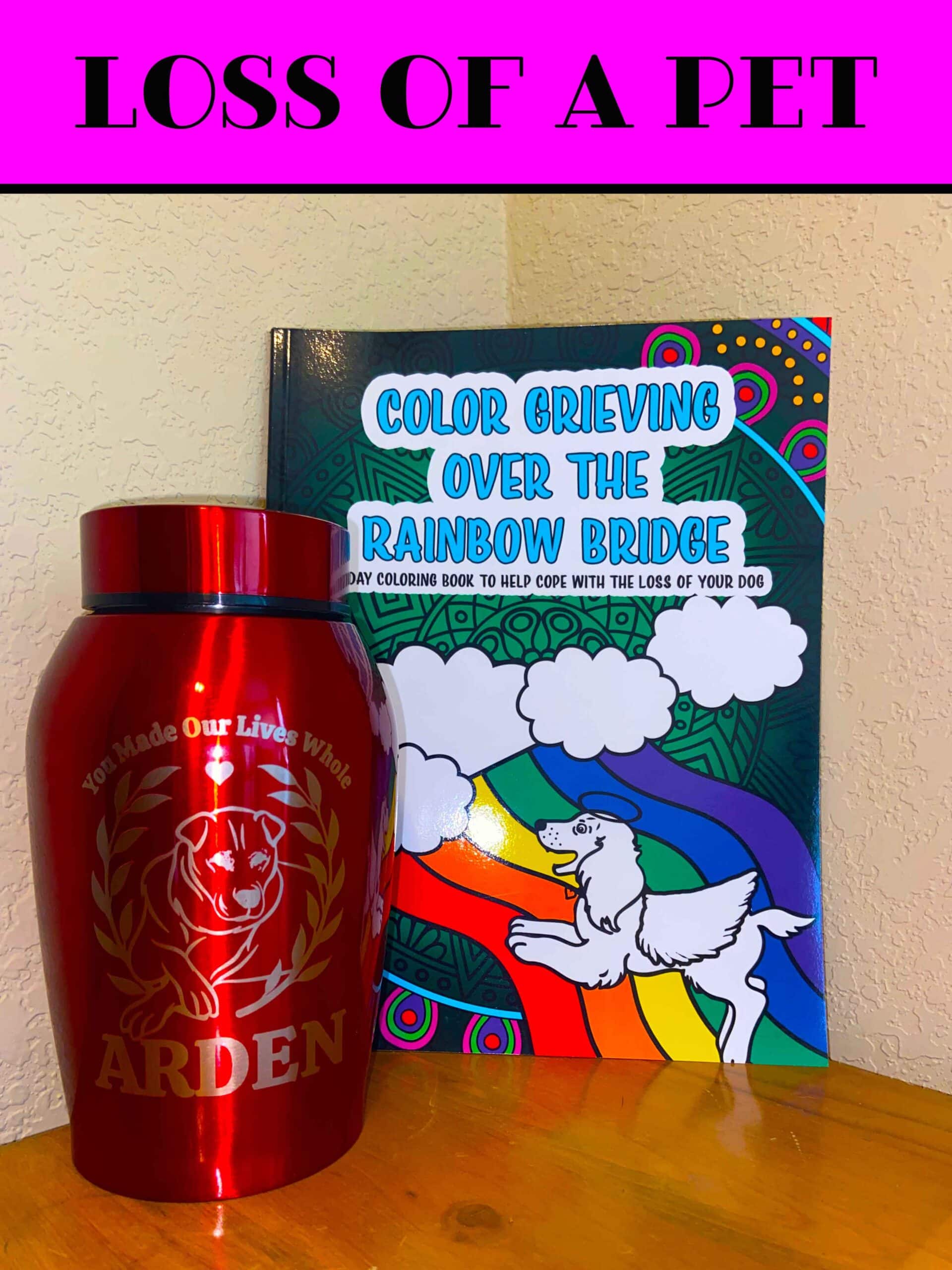
The Rainbow Bridge Dog Coloring book can help console a grieving dog owner, whether it’s you or a loved one. If you are looking for a dog remembrance gift, or a dog sympathy gift, this adult coloring book is a great option.
Professional pet transports is a service that helps pet owners safely and securely transport their pets long distances, international or domestic. Professional pet transport companies have the experience, knowledge, and resources to ensure that your pet travels safely and comfortably.
9 Best Pet Transports Companies That I Recommend 92
Professional pet transport companies offer a variety of services, including:
Pick up and delivery: Professional pet transport companies will pick up your pet from your home or vet’s office and deliver them to their new destination.
Transportation: Professional pet transport companies use a variety of transportation methods, including air, ground, and water, to transport your pet.
Accommodation: Professional pet transport companies will provide your pet with comfortable and secure accommodations during their journey.
Care: Professional pet transport companies will provide your pet with food, water, and medication during their journey.
Veterinary care: Professional pet transport companies have access to veterinary care in case of an emergency.
If you are planning to transport your pet long distances, it is important to do your research and choose a professional pet transport company that has a good reputation and experience transporting pets.
Here are some of the factors to consider when choosing a professional pet transport company:
Experience: Make sure the company has experience transporting pets.
Insurance: Make sure the company is insured in case of an accident.
References: Get references from previous customers.
Price: Compare prices from different companies.
Once you have chosen a professional pet transport company, be sure to provide them with all of the necessary information about your pet, including their weight, breed, temperament, and any health conditions. You should also pack your pet’s food, water, medication, and any other necessary items. Do have a look at what you need the best picks for pet travel supplies.
9 Best Pet Transports Companies That I Recommend 93
Professional pet transport can be a great way to ensure that your pet travels safely and comfortably. By choosing a reputable company and providing them with the necessary information, you can help ensure that your pet has a smooth and stress-free journey.
Here are some of the benefits of using a professional pet transport company:
Peace of mind: Knowing that your pet is in experienced and professional hands can give you peace of mind while they are traveling.
Convenience: Professional pet transport companies can handle all of the details of transporting your pet, so you don’t have to.
Safety: Professional pet transport companies are held to strict safety standards, which can help ensure that your pet travels safely.
Flexibility: Professional pet transport companies can accommodate a variety of travel needs, such as same-day or overnight shipping.
If you are considering transporting your pet long distances, be sure to contact a professional pet transport company for more information.
Are you a pet lover? If so, you already know the joy and companionship that comes with having a furry friend in your life. But did you know that your pet can also make your life easier in unexpected ways? From keeping your home safe to boosting your mental health, there are numerous benefits to having a smart pet life that goes beyond just cuddles and affection. In this article, we’ll explore 10 clever ways that a smart pet can make your life easier. Whether you’re a dog person, a cat person, or something in between, you’re sure to be impressed by the many ways that your furry companion can improve your quality of life. So, let’s dive in and discover the amazing ways that a smart pet can make your life easier!
Smart Pets as Companions
One of the most obvious ways that a smart pet can make your life easier is by providing companionship. Smart pets, whether they are dogs, cats, or even birds, can help reduce feelings of loneliness and isolation. They can be a source of comfort and support, especially during difficult times like illness, loss, or stress.
10 Clever Ways a Smart Pet Can Make Your Life Easier 105
Smart pets can also be great listeners. They won’t judge you, and they won’t give you unsolicited advice. They’ll simply be there to listen and provide comfort, which can be incredibly valuable. In fact, studies have shown that people who have pets are less likely to suffer from depression and anxiety.
Another way that smart pets can make your life easier is by providing a sense of routine and structure. They need to be fed, walked, and cared for on a regular basis, which can help you establish a daily routine. This can be particularly helpful for people who struggle with ADHD or other conditions that make it hard to stick to a schedule.
Smart Pets as Security Guards
Did you know that some smart pets can also act as security guards? Dogs, in particular, are known for their ability to protect their owners and their homes. They can be trained to bark or alert you if they sense danger, which can help keep you safe.
But it’s not just dogs that can provide security. Some cats are also great at protecting their homes. They have sharp claws and teeth, and they can be incredibly territorial. If an intruder enters your home, your cat is likely to put up a fight and defend their territory.
Smart Pets as Personal Trainers
Do you struggle to get enough exercise? If so, a smart pet can help. Dogs, in particular, need regular exercise to stay healthy and happy. They need to be walked at least once a day, which means that you’ll be getting exercise too.
But it’s not just dogs that can help you stay active. Some cats enjoy playing and running around, which can be a great way to get your heart rate up. And if you have a bird, you can train them to fly around your home, which can be a fun and challenging workout.
Smart Pets as Assistants for People with Disabilities
For people with disabilities, smart pets can be incredibly helpful assistants. Service dogs, for example, can be trained to perform a wide range of tasks, from opening doors to fetching items. They can even be trained to detect medical emergencies, like seizures or low blood sugar.
But it’s not just dogs that can be helpful. Some cats can also be trained to assist people with disabilities. They can help with tasks like opening cabinets or drawers, and they can even be trained to alert their owners if they hear a specific sound.
Smart Pets for Children with Behavioral or Emotional Challenges
For children with behavioral or emotional challenges, smart pets can be incredibly helpful. They can provide a sense of comfort and security, and they can help children learn how to regulate their emotions.
Dogs, in particular, can be great for children with behavioral or emotional challenges. They can be trained to provide comfort and support, and they can even be trained to detect when a child is feeling anxious or upset.
Smart Pets for People with Mental Health Issues
For people with mental health issues, smart pets can be incredibly valuable. They can provide a sense of companionship and support, and they can help reduce feelings of anxiety and depression.
Dogs, in particular, can be great for people with mental health issues. They have a calming presence, and they can be trained to provide emotional support. Some dogs can even be trained to detect when their owners are feeling anxious or depressed, and they can provide comfort and support in those moments.
Dogs, in particular, can be great stress relievers. A calm dog presence is very comforting. They can also be trained to provide emotional support, which can be incredibly helpful during stressful times.
Smart Pets as Entertainment
Do you ever get bored at home? If so, a smart pet can be a great source of entertainment. Dogs, in particular, are known for their playful and energetic personalities. They can be a lot of fun to play with and watch.
10 Clever Ways a Smart Pet Can Make Your Life Easier 106
But it’s not just dogs that can be entertaining. Cats can be very playful too, and they can be a lot of fun to watch as they chase toys or play with other pets. And if you have a bird, they can be very entertaining to watch as they fly around and explore their surroundings.
Smart Pets for Elderly People
For elderly people, smart pets can be incredibly helpful companions. They can provide a sense of comfort and support, and they can help reduce feelings of loneliness and isolation.
Dogs, in particular, can be great for elderly people. They can be trained to provide assistance with tasks like opening doors or fetching items. They can also help with mobility, by walking alongside their owners or providing support when walking up stairs. If you can then do take you dog into these dog parks in San Antonio.
Conclusion
As you can see, there are numerous benefits to having a smart pet in your life. From providing companionship to boosting your mental health, there are many ways that a furry friend can make your life easier and more enjoyable. Whether you’re a dog person, a cat person, or something in between, there’s no denying the many benefits of having a smart pet in your life. So, if you’re considering getting a pet, or if you already have one, take some time to appreciate the many ways that they make your life easier and more fulfilling!