The Ultimate Guide to Natural Dewormer for Dogs and Cats
As pet owners, we all want to provide our furry friends with the best possible care and keep them healthy and happy. I am well aware you are here to know if natural dewormer for cats are good or not. But before looking at the aspect of pet care of your pet on every stage that often goes overlooked is deworming. Have a look at 3 simple dog care tips from the pros because care is essential for your pet. Worms are a common problem among dogs and cats and can cause a variety of health issues if left untreated. While there are many conventional natural wormer for cats products available, they often come with side effects and may not be suitable for all pets. That’s where natural deworming for dogs comes in.
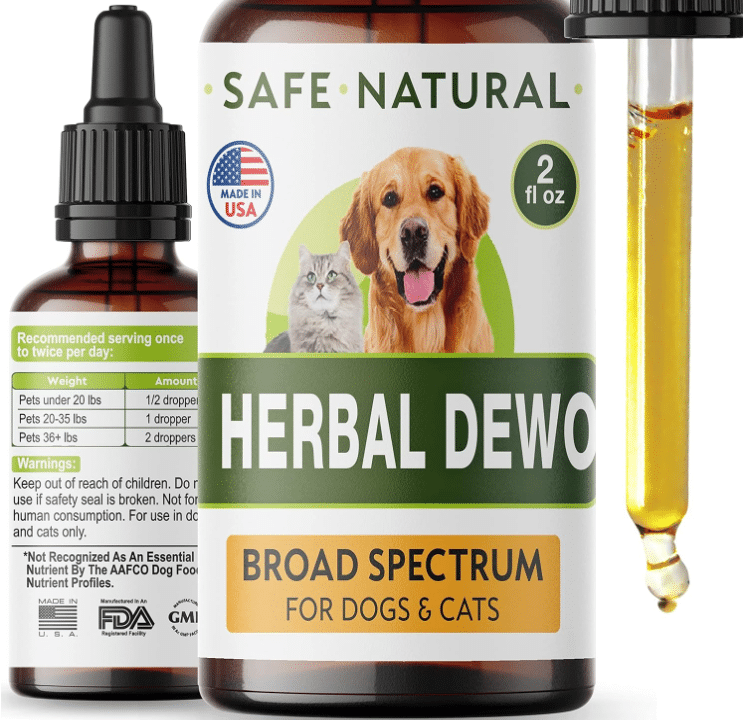
Natural deworming methods are safe, effective, and free from harmful chemicals. In this ultimate guide, we’ll take a closer look at best natural dewormer for cats and dogs, including the most common types of worms, symptoms to look out for, and natural remedies you can use to keep your pets worm-free. So, whether you’re a seasoned pet owner or a new one, read on to learn everything you need to know about natural dewormer for dogs.
What are worms and how do pets get them?
Worms are internal parasites that can live in the intestines, heart, lungs, or other organs of dogs and cats. The most common types of worms that affect pets are roundworms, hookworms, tapeworms, and whipworms. These worms can be transmitted to pets through contaminated soil, feces, or food, or through contact with infected animals. Puppies and kittens are especially vulnerable to worms as they can be transmitted from their mother’s milk.
Symptoms of a worm infestation can include diarrhea, vomiting, weight loss, a dull coat, and a bloated or distended stomach. In severe cases, worms can cause anemia, weakness, and even death. Regular natural dewormer for cats tapeworm is essential to keep your pets healthy and prevent the spread of worms to other animals.
Why choose natural deworming over traditional methods?
While conventional deworming products can be effective, they often come with side effects and may not be suitable for all pets. Chemical dewormers can be harsh on your pet’s digestive system and may cause nausea, vomiting, and diarrhea. In addition, some pets may have an allergic reaction to the chemicals in these products. Some people have both cats and dogs. So can you use dog dewormer on cats? Absolutely No! The amount of chemicals is different in each.
Natural deworming methods, on the other hand, are safe, gentle, and free from harmful chemicals. They can be used to prevent and treat worm infestations without the risk of side effects. In addition, natural remedies can support your pet’s overall health and well-being by boosting their immune system and promoting healthy digestion.
Common Myths About Natural Dewormers: Debunked!
Myth 1: Apple Cider Vinegar (ACV) Can Kill All Types of Worms
Truth: While ACV creates an alkaline environment that is inhospitable for many parasites, it is not a standalone solution. It works better as a preventive aid or in mild cases. Severe infestations may require veterinary treatments.
Tip: Share, “Although my beagle, Coco, benefitted from ACV as a gut booster, it wasn’t enough on its own when worms were already present!”
Myth 2: Garlic Is Always Toxic for Dogs and Cats
Truth: Garlic can be beneficial in small, controlled quantities for dogs, but it’s unsafe for cats. Its efficacy as a dewormer is limited and should never replace professional treatments. Is natural dewormer for kittens which are made from garlic is not safe.
Tip: Educate readers about dosage and emphasize consulting a vet. Include something like, “Yes, garlic works wonders—but only in moderation and under guidance!”
Myth 3: Diatomaceous Earth (DE) Is Harmless in Any Form
Truth: Only food-grade DE is safe for pets. Industrial-grade DE is dangerous and can harm the respiratory system if inhaled.
Tip: Add a reassuring line: “Using the right type of DE made all the difference for my terrier, Leo, but it’s essential to handle it carefully!” The best natural dewormer for cats should have DE.
Myth 4: Natural Remedies Work Instantly
Truth: Natural dewormer cats often require consistent use over days or weeks to be effective. They work best as part of a balanced approach that includes good hygiene and diet.
Tip: Write, “Patience is key! It took a week of pumpkin seed snacks to help Max recover fully.”
Best natural dewormer for cats and dogs
There are several home remedies for worms in kittens you can use to keep your pets worm-free. These include:
Diatomaceous earth is a fine powder made from the fossilized remains of tiny aquatic organisms. When ingested, it can kill worms by drying them out. Diatomaceous earth is safe for pets to ingest and can be added to their food or water. Be sure to use food-grade diatomaceous earth and follow the recommended dosage.
Natural Dewormer for Cats and Dogs: Remedies That Work 6
Pumpkin seeds contain an amino acid called cucurbitacin, which can paralyze and eliminate worms from the intestines. They also contain antioxidants and essential fatty acids that support your pet’s overall health. You can give your pet pumpkin seeds as a treat or mix them into their food.
Apple cider vinegar is a natural antiseptic and can help kill parasites in the digestive tract. It also promotes healthy digestion. Apple cider vinegar can improve your pet’s overall health. Add a teaspoon of apple cider vinegar to your pet’s food or water each day. They are important for natural dewormer for cats.
Garlic has natural antiparasitic properties and can help eliminate worms from the digestive tract. It also supports a healthy immune system and can improve your pet’s overall health. However, garlic should be used in moderation as it can be toxic in large quantities. Consult with your vet before giving garlic to your pet.
### Papaya
Papaya contains an enzyme called papain, which can break down the outer coating of worms and make them easier to eliminate. It also contains antioxidants and essential vitamins and minerals that support your pet’s overall health. You can give your pet fresh or dried papaya as best natural dewormer for cats and mix it into their food.
Probiotics are beneficial bacteria that can help promote healthy digestion and boost your pet’s immune system. They can also help prevent and treat worm infestations by creating a healthy environment in the digestive tract. You can give your pet probiotic supplements or feed them probiotic-rich foods like yogurt, kefir, and fermented vegetables.
Diagnosing and monitoring worm infestations
If you suspect that your pet has a worm infestation, it’s important to take them to the vet for a diagnosis. Your vet can perform a fecal test to determine the type of worms your pet has and recommend a treatment plan. In addition, your vet can help you monitor your pet’s health from hazards and ensure that they are getting the proper care and treatment.
Regular check-ups and fecal tests can help detect worm infestations early and prevent them from spreading to other animals. It’s also important to keep your pet’s living area clean and free from feces and other waste materials.
Preventing future worm infestations
Preventing worm infestations is key to keeping your pets healthy and happy. Apart from natural dewormer for cats here are some tips for preventing future worm infestations:
### Practice good hygiene
Wash your hands before and after handling your pet and their food and water bowls. Keep your pet’s living area clean and free from feces and other waste materials.
### Keep your pet on a healthy diet
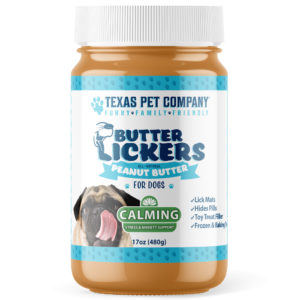
Feed your pet a proper nutritious diet that supports their overall health and well-being. A healthy diet can help boost your pet’s immune system and prevent worm infestations. Dogs love peanut butter so do give have peanut butter for dogs.
### Maintain your pet’s gut health
Support your pet’s digestive health with probiotics, prebiotics, and digestive enzymes. These can help promote healthy digestion and prevent the growth of harmful bacteria and parasites in the digestive tract. These preventions will help you get away from natural dewormer for cats and dogs.
Use natural deworming methods like diatomaceous earth, pumpkin seeds, apple cider vinegar, garlic, papaya, and probiotics to prevent and treat worm infestations.
The importance of a healthy diet and gut health
A healthy diet and gut health are essential for preventing and treating worm infestations in pets. They are must while you use natural dewormer for cats and dogs. Feeding your pet a proper nutritious diet that supports their overall health and well-being can help boost their immune system and prevent the growth of harmful bacteria and parasites in the digestive tract. In addition, supporting your pet’s gut health with probiotics supplements, and digestive enzymes can promote healthy digestion and prevent the growth of harmful bacteria and parasites in the digestive tract. Give your friend some healthy dog treats.
Herbal supplements for natural wormer for cats
In addition to the natural remedies mentioned above, there are several herbal supplements that can be used for deworming cats naturally. These include:
### Wormwood
Wormwood is a natural antiparasitic herb that can help eliminate worms from the digestive tract. It also has anti-inflammatory and immune-boosting properties that can support your pet’s overall health. Consult with your vet before giving wormwood to your pet.
### Black walnut
Black walnut is a natural antiparasitic herb that can help eliminate worms from the digestive tract. It also has anti-inflammatory and antioxidant properties that can support your pet’s overall health. Consult with your vet before giving black walnuts to your pet.
### Cloves
Cloves have natural antiparasitic properties and can help eliminate worms from the digestive tract. They also have anti-inflammatory and antioxidant properties that can support your pet’s overall health. You can give your pet ground cloves or clove oil as a supplement. They are the best friend and the best natural dewormer for cats.
Natural Dewormer for Cats and Dogs: Remedies That Work 7
Natural Dewormer for Cats and Dogs: Remedies That Work 8
Essential oils for natural deworming
Essential oils can be used for natural deworming as well. However, it’s important to use caution when using essential oils on pets as some oils can be toxic. Always dilute essential oils before use and consult with your vet before using them on your pet. Some essential oils that can be used for best natural dewormer for cats include:
### Thyme oil
Thyme oil has natural antiparasitic properties and can help eliminate worms from the digestive tract. It also has anti-inflammatory and antifungal properties that can support your pet’s overall health.
### Oregano oil
Oregano oil has natural antiparasitic properties and can help eliminate worms from the digestive tract. It also has anti-inflammatory and immune-boosting properties that can support your pet’s overall health.
### Neem Oil
Neem oil is a vegetable oil from the Azadirachta indica evergreen, (Neem tree). It has a strong mixed aroma of garlic and peanut butter. Homemade remedies and soap recipes from neem oil is beneficial for dogs.
Homeopathy for natural deworming
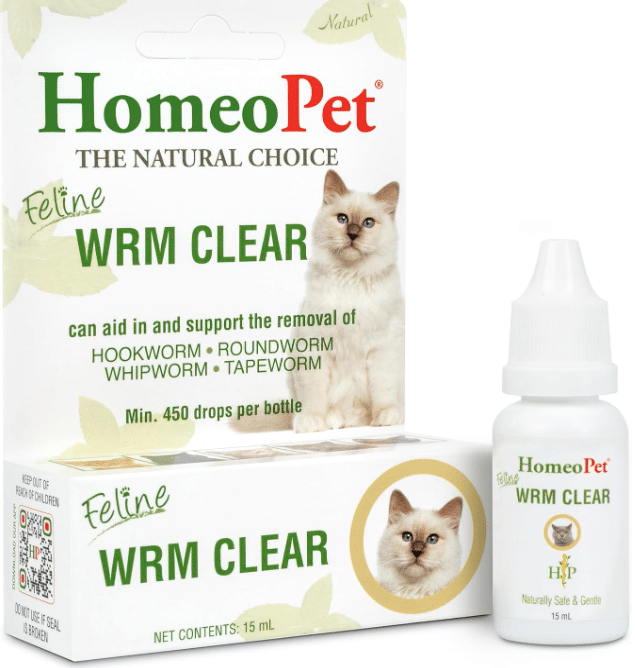
Homeopathic remedies can also be used as a natural dewormer for dogs. These remedies work by stimulating the body’s natural healing processes and can help eliminate worms from the digestive tract. However, it’s important to consult with a qualified homeopathic practitioner before using homeopathic remedies on your pet. Some homeopathic remedies that can be used for natural deworming include:
### Cina
Cina is a homeopathic remedy that can help eliminate roundworms and whipworms from the digestive tract. It also has anti-inflammatory and antifungal properties that can support your pet’s overall health.
### Teucrium
Teucrium is a homeopathic remedy that can help eliminate tapeworms and roundworms from the digestive tract. It also has anti-inflammatory and immune-boosting properties that can support your pet’s overall health.
Conclusion and final tips for natural deworming
Natural deworming is a safe, effective, and gentle way to keep your pets healthy and worm-free. By using natural remedies like diatomaceous earth, pumpkin seeds, apple cider vinegar, garlic, papaya, and probiotics, you can prevent and treat worm infestations without the risk of side effects. In addition, supporting your pet’s gut health with a healthy diet, herbal supplements, and essential oils can promote overall health and well-being. Remember to consult with your vet before using any natural remedies or supplements on your pet and to practice good hygiene to prevent the spread of worms to other animals. With these tips and natural remedies, you can keep your furry friends healthy and happy for years to come.
Natural Dewormer for Cats and Dogs: Remedies That Work 9
Frequently Asked Questions
What is the best natural dewormer for cats?
Pumpkin seeds are often considered one of the best natural dewormers for cats. They contain cucurbitacin, which paralyzes worms, making them easier to expel. Food-grade diatomaceous earth is another safe and effective option.
Can kittens be dewormed naturally?
Yes, but it’s crucial to be cautious. Gentle remedies like diluted chamomile tea can help, but always consult a vet before treating kittens, as their systems are very sensitive.
How do I deworm a puppy naturally?
You can use remedies like pumpkin seeds, apple cider vinegar (diluted in water), or chamomile tea. Start with small amounts and monitor your puppy closely. Puppies with heavy infestations might still require veterinary treatment.
Can apple cider vinegar kill worms in cats?
Apple cider vinegar doesn’t kill worms directly but can make the intestines less hospitable to parasites. It’s better used as a preventive measure or alongside other remedies.
Are there home remedies for worms in cats that work?
Natural options like ground pumpkin seeds, food-grade diatomaceous earth, and chamomile tea are popular. These remedies can help mild infestations but may take longer to work than medications.
Can I use apple cider vinegar for my kitten?
No, ACV is not recommended for young kittens as their systems are more sensitive. Always consult a vet before trying home remedies.
Are natural remedies as effective as prescription medications?
Natural remedies can help in mild cases or as a preventive measure. For severe infestations, prescription medications are more reliable and fast-acting.
Dogs, like humans, can experience anxiety, stress, and hyperactivity. It’s important to provide them with a calm and soothing environment to help them relax. In this video, we will explore ten effective ways to calm your dog.
1. Exercise and Mental Stimulation
A tired dog is often a calm dog. Regular exercise and mental stimulation are vital for channeling your dog’s energy and reducing anxiety. Engage your dog in activities such as brisk walks, jogging, or playing fetch to release excess energy. Additionally, mental stimulation through puzzle toys, obedience training, or scent work can provide a constructive outlet for their energy and promote relaxation. It is the best ways dogs communicate with you.
2. Create a Safe Space
Dogs seek comfort and security in their environment, especially when feeling stressed. Designate a specific area in your home as a safe space for your dog. This could be a crate, a quiet corner with their bed and toys, or a cozy den-like space. Make sure the area is comfortable, well-ventilated, and free from any potential stressors. Encourage your dog to use this space as a retreat whenever they need to relax and unwind.
3. Calming Music and Sounds
Top 10 Proven Ways To Calm A Dog 15
Music has a profound impact on dogs’ emotions, and certain sounds can help calm a dog. Consider playing soft classical music or specially designed dog relaxation tracks to create a soothing ambiance. These calming sounds can drown out external noise and provide a sense of tranquility for your furry friend. Experiment with different types of music to find the ones that have the most calming effect on your dog.
BONUS TIP >>> Stream music for free with Amazon Music
4. Massage and Gentle Touch
Massaging your dog can help alleviate muscle tension and promote relaxation. Gently stroke your dog’s body, focusing on areas they enjoy, such as the shoulders, neck, and back. Use slow, rhythmic motions to soothe their muscles. Massage not only calms your dog physically but also strengthens the bond between you. Be mindful of your dog’s body language and adjust your touch accordingly. Some dogs may prefer light touches, while others may enjoy firmer pressure.
5. Aromatherapy
Certain scents have calming properties that can help relax your dog’s mind. Lavender, chamomile, and valerian essential oils are known for their soothing effects. However, it’s crucial to use essential oils safely around dogs. Dilute the oils and use a diffuser to disperse the scent throughout the room. Avoid applying oils directly to your dog’s fur or skin, as they may have adverse effects. Always consult with a veterinarian or a certified aromatherapist before using essential oils around your dog.
If your dog has specific triggers that cause anxiety or fear, counter-conditioning and desensitization techniques can be effective. Gradually expose your dog to the trigger in a controlled and positive manner, associating it with rewards and pleasant experiences. For example, if your dog is afraid of thunderstorms, play recordings of distant thunder at a low volume while engaging in a fun activity or providing treats. Over time, this can help your dog form positive associations and reduce their anxiety response.
7. Provide a Balanced Diet
A healthy diet plays a significant role in your dog’s overall well-being, including their emotional state. Ensure your dog is receiving a balanced and nutritious diet that meets their specific needs. Some dogs may benefit from calming supplements or foods that contain natural ingredients known for their soothing properties, such as chamomile or turkey. Consult with your veterinarian to determine the best dietary options for your dog.
8. Implement a Consistent Routine
Dogs thrive on routine and predictability. Establishing a consistent daily schedule for feeding, exercise, playtime, and rest can help reduce anxiety and promote a sense of security. Dogs feel more relaxed and confident when they know what to expect. Stick to the same feeding and walking times, and ensure that your dog has a consistent bedtime routine. A structured routine provides stability and helps your dog feel grounded, leading to a calmer demeanor.
Top 10 Proven Ways To Calm A Dog 16
9. Calming Supplements and Medications
In some cases, calming supplements or medications prescribed by a veterinarian may be necessary to manage your dog’s anxiety or hyperactivity. These can include natural remedies, such as herbal supplements or pheromone diffusers, or prescribed medications to alleviate severe anxiety or fear-based behaviors. However, it’s important to consult with a veterinarian before using any supplements or medications to ensure their safety and effectiveness for your specific dog.
Dogs are highly intuitive and can pick up on their owner’s energy and emotions. To help your dog remain calm, it’s essential to project a sense of calm a dog and assertive energy yourself. Avoid reacting to your dog’s anxious behavior with panic or frustration, as this can intensify their stress levels. Instead, speak softly and move calmly around your dog. Use positive reinforcement and reward calm behavior. Your own calmness and confident demeanor can have a significant impact on your dog’s emotional state.
Conclusion
Calming down a dog requires a combination of understanding, patience, and effective techniques. By incorporating regular exercise, creating a safe space, utilizing calming music and sounds, providing massage and gentle touch, and implementing counter-conditioning and desensitization methods, you can help your dog find a state of relaxation. Additionally, aromatherapy, a balanced diet, a consistent routine, and, if necessary, calming supplements or medications can further aid in achieving a calmer dog. Remember to maintain a calm and assertive energy yourself to promote a peaceful environment for your furry friend.
The Ultimate Guide to Caring for a Coatimundi Pet: Everything You Need to Know
If you’re considering adopting a coatimundi as a pet, you’re in for a unique and rewarding experience. These intelligent and social creatures, also known as coatis, are native to Central and South America and are becoming increasingly popular as pets. However, caring for a coatimundi requires a significant amount of knowledge and preparation, as they have very specific dietary, environmental, and social needs.
In this ultimate guide, we’ll cover everything you need to know about caring for and raising a pet coatimundi, including their diet, housing requirements, socialization needs, and training tips. Whether you’re a seasoned exotic pet owner or a first-time coati parent, this guide will provide you with the information you need to ensure your furry friend is healthy, happy, and thriving in their new home. So, let’s dive in and explore the wonderful world of coati care!
Guide for a Coatimundi Pet: Everything You Need to Know 23
Coatimundi Pet Care Basics
Before adopting a coatimundi, it’s essential to understand the basics of their care. Coatis are highly intelligent and social animals that require plenty of attention, exercise, and enrichment. They have specific dietary needs, and their environment and enclosure must be carefully designed to meet their physical and psychological needs. Here are some essential coatimundi pet care basics to keep in mind:
Understand the Species:
Coatis are not domesticated animals, and their behavior is not always predictable. They have a wild nature and require a lot of patience, time, and attention to socialize properly. Understanding their natural behavior is essential to provide them with the right care and environment. Research their natural habitat, behaviors, and social structure to learn more about what they need to thrive.
Find a Reputable Breeder:
If you’re looking to adopt a coatimundi, it’s essential to find a reputable breeder. Look for a breeder who is knowledgeable about the species, has good reviews, and can provide you with documentation about the animal’s health and lineage. Avoid purchasing from pet stores or individuals who are not knowledgeable about the species or cannot provide you with proper documentation.
Prepare a Suitable Habitat:
Coatis require a lot of space to move around and explore. They should have access to both indoor and outdoor areas, with plenty of hiding spots, climbing structures, and enrichment toys. Their habitat should be designed to mimic their natural environment, with the right temperature, humidity, and lighting conditions. A suitable enclosure for a coatimundi pet is a minimum of 8 feet tall and 10 feet wide.
Coatimundi Diet and Nutrition
A coatimundi’s diet is a crucial element of their care. They are omnivores, meaning they eat both plant and animal-based foods. In the wild, they feed on fruits, insects, small animals, and eggs. Providing them with a balanced diet is essential to their health and well-being.
Offer a Balanced Diet:
A coatimundi’s diet should consist of a variety of foods, including fresh fruits, vegetables, meats, and insects. Commercially available diets designed for exotic animals can also be offered. Avoid feeding them junk food or anything with high sugar content. Offer small amounts of food throughout the day instead of one large meal.
Provide Fresh Water:
Coatis need access to fresh, clean water at all times. Change their water daily and ensure that their water bowl is always full.
Avoid Toxic Foods:
Some foods can be toxic to coatimundis, including avocado, chocolate, caffeine, and alcohol. Avoid feeding them these foods at all costs.
Coatis are generally healthy animals, but they are susceptible to certain health issues. Regular check-ups with a veterinarian experienced in exotic animal care are essential to ensure your pet stays healthy and happy.
Recognize Common Health Issues:
Coatis are prone to certain health issues, including obesity, dental problems, respiratory infections, and parasites. Regular check-ups with a veterinarian can help identify and prevent these issues from becoming severe.
Keep Them Active:
Coatis are active animals and require plenty of exercise and enrichment. They should have access to climbing structures, hiding spots, and toys to keep them mentally and physically stimulated.
Practice Good Hygiene:
Coatis can carry diseases that may be transmitted to humans, such as salmonella. Regular hand washing and cleaning their habitat and enclosure regularly can help prevent the spread of disease.
Coatimundi Behavior and Training
Coatis are highly intelligent and social animals that require plenty of attention and training to thrive. Socializing them from a young age is essential to their behavior and temperament.
Socialize Them Early:
Coatis are social animals and require plenty of interaction and socialization to thrive. Socialization should begin as early as possible, and they should be exposed to a variety of people, animals, and environments to become well-adjusted pets.
Train Them with Positive Reinforcement:
Coatis are intelligent and can be trained using positive reinforcement techniques such as clicker training. Consistency, patience, and rewards are essential to their training. Avoid using punishment-based training methods as it can lead to aggressive behavior.
Provide Enrichment:
Coatis require plenty of mental stimulation to prevent boredom and destructive behavior. Enrichment activities such as puzzle toys, foraging toys, and hiding treats can keep them mentally stimulated.
Coatimundi Habitat and Enclosure
Coatis require a specific environment and enclosure to thrive. Their habitat should mimic their natural environment, with plenty of space, hiding spots, and climbing structures.
Provide Plenty of Space:
Coatis require plenty of space to move around, climb, and explore. A suitable enclosure for a coatimundi pet is a minimum of 8 feet tall and 10 feet wide. They should have access to both indoor and outdoor areas, with plenty of hiding spots, climbing structures, and enrichment toys.
Mimic their Natural Environment:
Coatis are native to Central and South America and require a specific environment to thrive. Their enclosure should be designed to mimic their natural habitat, with the right temperature, humidity, and lighting conditions.
Ensure Proper Ventilation:
Coatis require proper ventilation to prevent respiratory issues. Their enclosure should have proper air circulation, and their bedding should be cleaned regularly.
Coatimundi Socialization and Companionship
Coatis are highly social animals and require plenty of interaction and companionship to thrive. They should have plenty of opportunities to interact with their owners, other animals, and their environment.
Provide Plenty of Interaction:
Coatis require plenty of interaction and attention from their owners. They should have plenty of opportunities to play, explore, and cuddle with their owners.
Consider Getting Them a Companion:
Coatis are social animals and can benefit from having a companion. However, introducing a new animal to their enclosure requires careful consideration and planning.
Monitor Their Behavior:
Coatis are intelligent animals and can exhibit aggressive behavior if they feel threatened or stressed. Monitor their behavior closely and seek professional help if you notice any concerning behavior.
Legal Considerations for Owning a Coatimundi
Coatis are considered exotic animals and may be subject to specific laws and regulations in your state or country. Before adopting a coatimundi pet, it’s essential to research the legal requirements and obtain any necessary permits or licenses.
Research the Laws in Your Area:
Coatis are exotic animals and may be subject to specific laws and regulations in your state or country. Research the laws and requirements in your area before adopting a coatimundi pet.
Obtain Any Necessary Permits or Licenses:
In some areas, owning a coatimundi pet may require specific permits or licenses. Ensure that you obtain any necessary permits or licenses before bringing home your new pet.
Consider the Implications of Ownership:
Owning an exotic animal such as a coatimundi comes with specific responsibilities and considerations. Ensure that you are prepared for the financial, time, and emotional commitment required to care for a coatimundi pet.
Coatimundi pets are unique and fascinating animals that make great pets for the right person. However, there are many misconceptions about these animals that potential owners should be aware of.
They Are Not Domesticated Animals Coatis are not domesticated animals and have a wild nature. They require a lot of patience, time, and attention to socialize them properly.
They Can Be Aggressive Coatis can exhibit aggressive behavior if they feel threatened or stressed. Socializing them early and providing plenty of stimulation can help prevent aggressive behavior.
They Have Specific Care Requirements Coatis have specific dietary, environmental, and social needs that must be met to ensure their health and well-being. Research and preparation are essential to provide them with the right care.
Conclusion: Is a Coatimundi the Right Pet for You?
Caring for a coatimundi pet requires a significant amount of knowledge and preparation, but it can also be a unique and rewarding experience. Coatis are intelligent and social animals that require plenty of attention, exercise, and enrichment. Their specific dietary, environmental, and social needs must be met to ensure their health and well-being. Before adopting a coatimundi pet, ensure that you are prepared for the financial, time, and emotional commitment required to care for these wonderful animals. With proper care and attention, a coatimundi can make a great pet for the right person.
After giving a dewormer treatment to your dog, they are worm free, but your cat needs deworming too. If there is still a part of the treatment left you can be tempted to just give it to your cat. You may find that the ingredients of dog and cat wormer treatments are mostly the same. Active ingredients like praziquantel are currently available under many different brand names. They can be found in both dog deworming and cat deworming treatments.
So, can you use dog dewormer on cats? The short answer is NO.
Can I Use Dog Dewormer on Cats?
Just because the active ingredient is the same does not mean that it is a good idea to give your cat your dog’s deworming treatment or vice versa. You can use cat worming treatment as a dog dewormer but not dog worming for cats. Not a good idea. The difference is in the amount of each ingredient used. The dosing amount also depends on the size and weight of the cat or dog.
There are a wide array of preventative treatments available for worms for dogs and cats. But while dogs can be treated with the aid of an injection once they are infected, cats cannot be treated the same way if they get worms.
There are certain cases, where the treatment that is effective on dogs can be poisonous for cats. So, it is always the better option to let your veterinarian suggest worming treatments for your dog and cat rather than treating them yourself.
Can You Use Dog Dewormer On Cats? (NO! But Why?) 33
Worming treatments for kitties are available online or at your vet, but remember heartworm treatment is a different ball game altogether. Remember, prevention is better than cure. The treatment not only is very tedious but also quite expensive.
It is also very important to understand that there are different intestinal worms that can affect your dog and cat.
So, never give one treatment that is specifically for treating a particular worm for another type of worm. For example; if your kitty has roundworms and your dog has tapeworms, never give the treatment that works to eradicate roundworms to treat tapeworms. Hence, before getting a deworming treatment, consult with your veterinarian who would determine the type of worm that has affected your pet, and then provide appropriate treatment and advice on dosage amounts.
The best possible way to counter the worm problem in dogs and cats is by taking preventative measures to keep them from getting any type of worm in the first place. Remember, kittens and puppies can be born with worms. They get it from their mothers when they nurse. That is the reason routine veterinary puppy and kitten care includes worm treatment.
After a year, ask your veterinarian to test your dog or cat’s stool to ensure that there is no presence of worms or parasites. Also ensure that they do not eat birds, mice or other animals that could be carrying worms. Also, get rid of fleas because that is the first big step to preventing worms in dogs and cats.
Are Worms Dangerous to Cats?
There are different types of worms that can infect your cat. Some cats may not show signs. But most of them will become sick. However, some species are life-threatening to cats. It can make your cat sick but it all depends on the severity of the worms.
Intestinal worms are most dangerous to kittens. Why? This is because kittens are young and they can cause developmental issues. With that, your cat can also fall into other diseases like anemia, and intestinal obstructions. It all depends on the type of worms they have. Some worms threaten cats of all ages. The most prominent one is heartworms. They can cause damage to their heart and lungs.
Natural and effective dog dewormer without Rx. Treat & control roundworms, hookworms or tapeworms in your dog with these bacon-flavored treats for dogs. Keep your dog healthy and worm-free with Worm Defender for dogs.
Natural and effective dog dewormer without Rx. Treat & control roundworms, hookworms or tapeworms in your dog with these bacon-flavored treats for dogs. Keep your dog healthy and worm-free with Worm Defender for dogs.
Dogs use body language, vocalizations, touch, scent, food, play, training, grooming, eye contact, and avoidance to communicate with humans. Understanding these different forms of communication can help you to build a stronger relationship with your dog and to create a more harmonious home environment. It is important to remember that dogs are individuals, and their communication styles may vary. Be patient and observant, and you will learn to understand your dog’s unique way of communicating. See ways to a calm dog.
How do dogs communicate with humans?
It is important to learn to recognize the different ways that dogs communicate so that you can understand what they are trying to say. This will help you to build a stronger relationship with your dog and to create a more harmonious home environment.
Body language
Dogs use a variety of body language cues to communicate their emotions and intentions, such as:
Tail position and movement
Ear position
Eye contact
Facial expressions
Body posture
Touching
Top 10 Ways Dogs Communicate With You 52
Vocalizations
Dogs make a variety of sounds to communicate, such as:
Barking
Whining
Growling
Yelping
Howling
Top 10 Ways Dogs Communicate With You 53
Touch
Dogs use touch to communicate affection, submission, and dominance. They may lick, paw, or bump their heads against you.
Top 10 Ways Dogs Communicate With You 54
Scent
Dogs have a very strong sense of smell, and they use it to communicate with each other and with humans. They may mark their territory with urine or feces, or they may rub their bodies against you to leave their scent.
Top 10 Ways Dogs Communicate With You 55
Food
Dogs are motivated by food, and they may use it to communicate with you. They may beg for food, or they may bring you a toy or object in exchange for a treat.
Top 10 Ways Dogs Communicate With You 56
Play
Play is a way for dogs to socialize, learn, and communicate. They may chase each other, wrestle, or tug-of-war.
Top 10 Ways Dogs Communicate With You 57
Training
Dogs can be trained to respond to a variety of commands, such as sit, stay, come, and down. This is a form of communication that allows you to control your dog’s behavior.
Top 10 Ways Dogs Communicate With You 58
Grooming
Dogs groom each other as a way of bonding and showing affection. They may lick, nibble, or rub against you.
Top 10 Ways Dogs Communicate With You 59
Eye contact
Dogs make eye contact with each other and with humans as a way of communicating. Direct eye contact can be a sign of aggression, but it can also be a sign of submission or trust.
Top 10 Ways Dogs Communicate With You 60
Avoidance
Dogs may avoid eye contact, touch, or other forms of communication as a way of showing fear, submission, or aggression.
Your Ultimate Guide to a Loyal and Powerful Companion
If you are looking for a loyal and protective companion, you may want to consider a Cane Corso, pronounced “KAH-Nay KOR-So”. These powerful Italian mastiffs are known for their impressive size and strength, as well as their calm and affectionate nature. Its name is derived from the Italian word for dog, cane, and the Latin term cohors, meaning “protector” or “bodyguard.”
Cane Corsos have a rich history, dating back to ancient Rome where they were used as guard dogs and hunters. The Cane Corso belongs to the subcategory of working breeds called mollosus dogs, or mollosers, named for the Molossi, an ancient Greek people thought to have bred giant, big-boned guardian dogs of Mastiff type. Today, they are popular pets and can be trained for a variety of activities, including obedience, agility, and tracking.
One of the defining characteristics of the Cane Corso is their imposing size. These dogs can weigh 80-120 pounds and stand 23-28″ tall at the shoulder. Because of their large size, the are sometimes called King Corso. Despite their size, however, they are known for their gentle and affectionate nature towards their families. These dogs can live from 10-12 years on average. Their ears are sometimes cropped, but it is not a required standard, and the tail is usually docked.
Cane Corso can come in a number of colors including Black, Gray, Fawn, Black Brindle, Gray Brindle, Red, and Chestnut Brindle. They have a short, coarse double coat. The length of the undercoat depends on where the dog lives. In colder climates, they will have thicker and longer undercoats than dogs in warm or hot climates. Breeds with double coats will shed throughout the year, but will shed heavily in the spring.
AKC Official Breed Standard
Cane Corso Standard: The ideal against which dogs are judged at shows, originally laid down by a parent breed club and accepted officially by national or international bodies. READ HERE
Basic grooming like brushing, bathing and nail trimming are typical for this breed. Typically, adult Cane Corso will eat 4-5 cups of food per day, this will vary based on weight.
Cane Corsos, plural Cani Corsi, are also highly intelligent and trainable, making them excellent working dogs. They are known for their loyalty and protective instincts, which makes them great watchdogs. Exercise and training are most important to a cane corso, daily activity and exercise will help keep them physically and mentally fit. Without exercise, they might find thier own unwanted activities like digging holes or chewing your household items. Having a large space, yard or area to live and play is ideal.
If you are considering adding a Cane Corso to your family with children, it is important to note that they require proper training and socialization. These dogs are naturally dominant, so they need a firm and consistent hand in training starting at an early age. They make great family dogs when trained properly. This dog will not do well in a home with anyone who is afraid of or dislikes dogs or is unable to handle a large dog.
Cane Corso Dogs 101: Your Joy With Majestic Cane Corso 79
Cani Corsi bred by standards are less likely to inherit troubling health conditions. However, some hereditary health problems can occur in the breed. They can be prone to hip dysplasia, eye conditions such as entropion, ectropion, and cherry eye, mange, and gastric dilatation-volvulus or bloating.
Overall, the Cane Corso is a wonderful breed that is both loyal and protective. If you are considering adding one to your family, be sure to do your research and find a reputable breeder or rescue organization. With proper training and care, your Cane Corso can be a loving and faithful companion for years to come.
Cane Corso Dogs 101: Your Joy With Majestic Cane Corso 80
Places To Adopt Or Find Cane Corso For Sale:
If you think the cane corso could be right for you, consider searching for a cane corso rescue group to adopt cane corso puppies or adults. Expect to pay on average of $1,500+ for cane corso puppies, and even more for pedigreed cane corso puppies.
Cane Corso Association of America
Search In Your Area
Big Dogs Huge Paws Rescue
Cane Corso Rescue
Must Love Corsos Rescue
Find A Breeder
Breed Bans
Cane Corso and other breeds may be banned in some cities around the country and could be subject to breed-specific legislation that is active in several hundred cities across the U.S. For example, areas of Colorado have a ban on Cane Corsos. Please check your city and housing guidelines before adopting.
Cane Corso Dogs 101: Your Joy With Majestic Cane Corso 81
Top 10 Gift Ideas For People Who Have Lost Their Dog
Why get a sympathy gift for the loss of a dog? Losing a dog can be an incredibly painful experience. Dogs are often referred to as man’s best friend, and for good reason. They provide unconditional love and companionship and are often seen as a member of the family. Losing a dog can leave a hole in one’s heart and can be a difficult process to overcome.
For many people, dogs are more than just pets; they are a part of the family. They offer companionship, loyalty, and a sense of security. Dogs can be there to listen when we need someone to talk to, and they can provide comfort during difficult times. Losing a dog means losing all of these things and can leave a person feeling lonely and empty.
Losing a beloved pet must be extremely painful, but our pet loss wind chimes can bring comfort and healing to pet owners. The pet paw and text engraved on the pendant are as worthy of a deep memory as the beautiful imprints pets bring to their owners. “Listen to the wind and know I am near” is the best commemorative phrase for cherished pets.
The loss of a dog can be particularly difficult because of the unique bond that exists between dogs and their owners. Dogs have a way of understanding our emotions and can offer comfort in ways that humans sometimes cannot. They are always there to lend a listening ear and a comforting paw. Losing this kind of companionship can be a devastating blow.
In addition to the emotional pain of losing a dog, there is also often a practical side to the loss. Dogs require a great deal of care, attention, and resources. When a dog is lost, it can create a void in the daily routine of its owner. There are no longer walks to be taken, meals to be prepared, or cuddles to be had. The loss of a dog can lead to feelings of aimlessness and uncertainty as to what to do with one’s time.
Show your support and love for a pet lover friend by giving or sending them a memorial gift candle, It is a great gift idea for any dog mom or dad who just lost an important part of their family. It will provide comfort to anyone who are going through tough times as they mourn the death of their beloved pet. Don’t just send sympathy flowers which will last only few days, when you can send this lifetime use beautiful home decor.
Grief is a natural part of the process of losing a pet. It can be a difficult and confusing time for those who are experiencing it. People who have lost a dog may feel a range of emotions including sadness, anger, and guilt. They may feel like they could have done more to prevent their dog from being lost, or that they didn’t do enough to cherish their time together while their dog was still alive. These feelings are all normal and can be expected during the grieving process.
One of the most difficult aspects of losing a dog is the feeling of isolation that can come with it. Friends and family members may not fully understand the depth of the loss, and it can be challenging to find someone to talk to who can offer the support and understanding that is needed during this difficult time.
Beautiful dog memorial frame with a sentimental sympathy poem to help a grieving friend or loved one remember a special pet.
It is important to remember that healing from the loss of a dog takes time. Everyone’s grieving process is different, and there is no right or wrong way to feel or to cope. Some people find comfort in talking about their dog and sharing memories, while others may find solace in creating a memorial or participating in a tribute event. Whatever one’s coping mechanisms may be, it is important to remember that it is okay to grieve and to take the time needed to process the loss.
In conclusion, losing a dog can be an incredibly painful experience. The unique bond that exists between dogs and their owners can make the loss of a dog particularly difficult. In addition to the emotional pain, there is often a practical side to the loss, as dogs require a great deal of care and attention. The grieving process can be challenging, but it is important to remember that healing takes time and that it is okay to grieve in one’s own way. While the loss of a dog is never easy, the memories and love that they leave behind can help to ease the pain over time.
The Rainbow Bridge Dog Coloring book can help console a grieving dog owner, whether it’s you or a loved one. If you are looking for a dog remembrance gift, or dog sympathy gift, this adult coloring book is a great option.
When you’re not sure what to say when a friend or loved one has recently lost their beloved dog, show your sympathy and comfort with a dog angel figurine.
Losing a dog can be a devastating experience as they are often seen as a part of the family, providing companionship, loyalty, and emotional support. It can create a void in one’s daily routine and leave a person feeling lonely and empty. The grieving process can be challenging and involve a range of emotions including sadness, anger, and guilt. Healing takes time, and it is important to remember that it is okay to grieve and to take the time needed to process the loss. While the loss of a dog is never easy, the memories and love that they leave behind can help to ease the pain over time.
If you’re like me, you’ve spent nights worrying about those pesky chemicals in your dog’s flea treatment. I’ve been there, I was googling “Is flea treatment safe?” or “What are the best natural flea prevention alternatives” at 2 AM. At the same time, my golden retriever scratched away. The good news? You’re not alone in this. There are safer alternatives. They work as well (if not better) than traditional chemical treatments.
Nearly 67% of pet owners are looking for natural alternatives to chemical flea treatments. And it’s not just because we’re all turning into health nuts! There’s real science is also backing up our concerns about traditional flea treatments.
In this guide, I’ll walk you through everything about natural flea prevention alternatives. Why it matters? How to make the switch? No fluff, just practical advice from someone who’s been in your shoes.
Table of Contents
Rising Trend Towards Natural Flea Prevention Alternatives
Remember when we used to just grab whatever flea treatment the store had on sale? I really laugh at that sometimes. Like how stupid we were. Just any problem with my bestie? I woke up now. More and more pet parents are also waking up to the reality. See what’s actually in those chemical treatments we’ve been using for years.
Dogs show sensitivity to traditional flea treatments. Suddenly all those mysterious skin issues and lethargy after flea treatments made sense. That is why shifting to alternatives is important.
Recent studies have shown that about 28% of dogs experience some form of adverse reaction to chemical flea treatments. That’s more than 1 in 4 dogs! These chemicals can cause long-term damage and risks. They might not show up for years. This is why pet owner start using natural flea prevention alternatives. And result mad them stick to it.
The environmental impact is another huge factor. Those chemicals we’re putting on our dogs? They don’t just disappear. They end up in our homes, our water, and our ecosystem. As one environmental researcher put it, “What’s bad for our pets is often bad for our planet.”
Traditional Flea Treatments: The Good, The Bad, and The Ugly
What’s really going on with those traditional flea treatments? You know, the ones with the long chemical names that no one can pronounce?
Traditional Market Solutions Include:
Topical treatments (those liquid drops we put on our dog’s back)
Chemical-based collars
Oral medications
Various sprays and powders
Now, I’m not here to completely bash these treatments. They’ve helped millions of pets. These are the things many vets aren’t telling you about the downsides:
The most common issues I’ve seen (and heard from countless other pet owners) include:
Skin irritation is a huge one. Your dog’s skin is actually more sensitive than you might think. These chemical treatments can cause anything. They can have mild irritation or severe hot spots. I’ve seen dogs who looked like they’d been through the wars after a reaction to traditional flea treatments.
Digestive problems. Just Think. We’re asking our dogs to digest powerful pesticides. Is it any wonder that some dogs end up with upset stomachs or worse?
Here’s something that really opened my eyes: the resistance factor. Bacteria are resistant to antibiotics. Just like that fleas are also becoming resistant to traditional treatments. It’s like we’re creating super-fleas!
A 2023 study from National Library of Medicine found that certain flea populations have developed resistance to common chemical treatments in as little as 5 years.
3 Best Natural Flea Prevention Alternatives: A Comprehensive Review
Now for the good stuff. I have broken down the best natural flea prevention alternatives that actually work. I’ve tried pretty much everything in my quest for chemical-free flea prevention!
#1 Chewable Natural Treats
These are honestly my favorite options. Why? They work from the inside out. The best natural chewable treats contain ingredients like:
Brewer’s yeast (a natural flea deterrent)
B-vitamins (which make your dog less attractive to fleas)
Essential oils in safe, digestible amounts
3 Natural Flea Prevention Alternatives With (Proven Reviews) 183
The science behind these is fascinating. You know topical treatments that sit on your dog’s skin. These treats are nothing like that they work by making your dog naturally repellent to fleas. It’s like you have put an invisible force field around your pup.
#2 Essential Oils
Essential oils can be effective but it comes with big but. So be incredibly careful with them. They can work well. The application and dilution have to be just right. I learned this the hard way. I once used tea tree oil that was too concentrated (spoiler alert: not a good idea).
Safe options include:
Lavender (in proper dilution)
Cedarwood
Lemongrass
Always, always dilute these properly. Plus check with your vet first. Especially if your dog has any sensitivities.
#3 Diatomaceous Earth
This stuff looks like powder but it’s actually microscopic fossils. Pretty cool, right? They are really effective natural flea prevention alternatives. It works by dehydrating fleas that come into contact. But be careful about inhalation because its application can be messy. For both you and your pet.
Pro tip: If you have decided to go this route, get food-grade DE. Apply it when your pet is out of the room. Trust me, the cleanup is worth the natural protection.
Why Natural Chewable Treats Lead the Pack
After years of trial and error (there was a lot of error), I’ve found that natural chewable treats are the most effective and convenient natural flea prevention alternatives. Here’s why:
The consistency is unbeatable. chewable treats provide steady protection. It is one of the best benefits as topical treatments can wash off or wear away. It’s like you are taking a daily vitamin versus trying to absorb nutrients through your skin. Isnt this sound more effective to you?
The convenience factor is huge too. No more wrestling with your dog to apply treatments. No more tension about kids petting your dog right after application. Just pop them a treat (which they usually love), and you’re done!
From a safety perspective, natural chewable treats are leading the pack. When they are properly formulated, they work with your dog’s system. It does not introduce any harsh chemicals to your dog. The key active ingredients are often things you might recognize from your own kitchen or supplement cabinet.
Cost comparison? Let’s break it down:
Average monthly costs:
Traditional topical treatments: $20-30
Chemical collars: $15-25
Natural chewable treats: $25-35
Natural treats might seem slightly pricier upfront. Consider this: you’re often saving on potential vet visits for chemical treatment reactions. Here you’re getting additional health benefits from the natural ingredients.
Making the Switch: A Step-by-Step Guide
I’ll share the perfect heart guide to safly switch to natural flea prevention alternatives. So first things first! Don’t throw out your current flea treatment just yet.
Transition is key here.
Choose the best natural flea prevention alternatives(based on what we’ve discussed, I highly recommend starting with natural chewable treats). Then follow this timeline:
Week 1-2: Finish your current cycle as planned. Then introduce natural prevention. This overlap keeps your dog safe during the switch.
Week 3-4: Monitor your pet closely. Look for:
Any changes in scratching behavior
Skin condition
Energy levels
Overall comfort
Keep a simple log if you can. It will help you track progress and spot any patterns.
One quick tip: Start the transition during the off-peak flea season (usually early spring or late fall). This will give you time to adjust before the heavy flea season hits.
How to Know It’s Working
Physical signs are your first indicator. Look for:
Reduced scratching
Healthier coat shine
No visible skin irritation
Consistent energy levels
Behavioral changes can be subtle. My dog went from being constantly irritated to more playful and relaxed. It was like watching a transformation.
Environmental improvements? Less chemical residue, more natural balance. Your home will literally feel different cleaner, and fresher.
72% of dogs showed improved overall health after switching to natural treatments
Chemical sensitivity decreased by 65%
Long-term health markers improved consistently
Making Your Decision
Still feeling overwhelmed? Here’s a simple checklist. It will help you decide if natural natural flea prevention alternatives is right for your dog:
Consider switching to natural alternatives if:
Your dog has shown sensitivity to chemical treatments
You’re concerned about long-term chemical exposure
You have multiple pets in the house
You have young children who frequently pet your dog
Your dog has any underlying health conditions
Remember, the best flea prevention is the one that works for your specific situation. There’s no one-size-fits-all solution. But natural alternatives are proving to be a safe and effective choice for many pet owners.
Conclusion
Listen, I know switching to natural flea prevention alternatives might feel a bit daunting. But trust me it’s not as hard as you think. Many pet owners and vets backing this approach. It’s worth considering. You’re choosing the health and safety of your dog. Be more holistic approach to your dog’s well-being.
Remember, you can always start small. Try a natural alternative alongside your current treatment (checking with your vet first, of course), and see how it goes. Your dog might just thank you for it!
Want to learn more or are you ready to make the switch? Check out our recommended natural flea prevention products, or consult with your holistic vet about the best natural options for your specific pup.
One solution
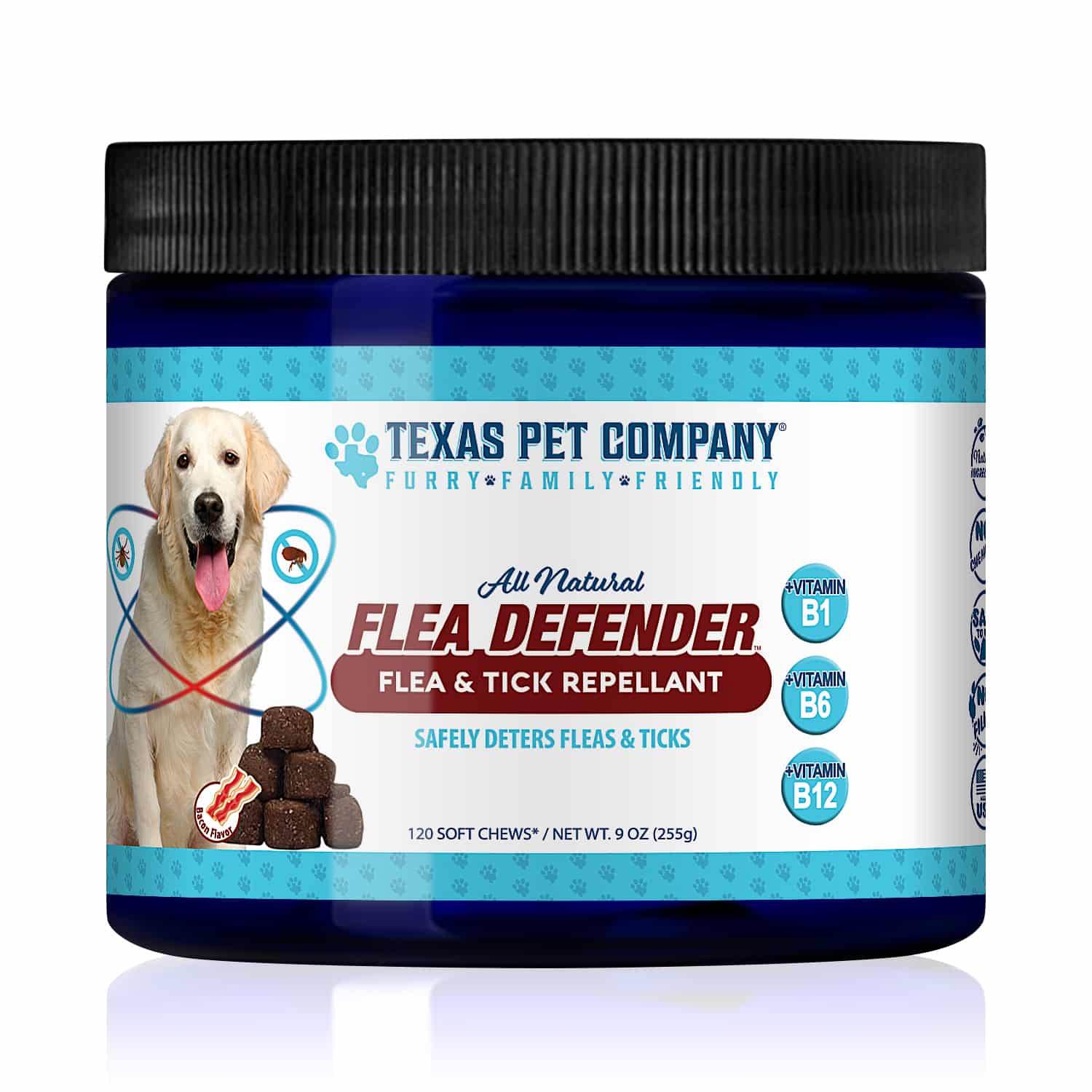
We know that it is difficult on your part to gather all of these natural ingredients and give them to your dog in specific amounts. Flea Defender soft chew dog treats are the best all-natural flea and tick prevention and repellent.
Conclusion: The Future of Flea Prevention Is Natural
Making the switch to natural flea prevention alternatives is more than just a trend—it’s a science-backed, safer choice for your dog’s long-term health. With growing concerns about chemical treatments and their side effects, pet owners are realizing that nature offers powerful, effective solutions.
By choosing natural chewable treats, essential oils (with proper use), or diatomaceous earth, you’re not just protecting your pet—you’re promoting a healthier home and environment. Plus, the convenience and additional health benefits of natural flea prevention make it a worthwhile investment.
Ready to take the next step? Flea Defender soft chew dog treats provide an all-natural, vet-approved solution for flea and tick prevention. Give your pup the protection they deserve—without the harmful chemicals. Check them out today and start your journey toward a healthier, happier pet!
Bladder cancer in dogs is a serious condition. My beloved Akita of 13 years died of it. Although he had lived a long, happy life, especially for a large breed dog, I wish I had known what I know now. Although I can’t go back and change his final six months with us, I can share what I learned with you.
First the facts. The cause of dog bladder cancer is unknown, but it is believed that flea and tick collars and sprays can be a contributing factor, so please get rid of these items if you have them in your house. Typically, female dogs are more prone to cancer than males and certain breeds have a higher incidence of cancer including beagles, fox terriers (Scottish, wirehaired fox and West Highland white varieties) and Shetland sheepdogs. Dogs that have been neutered also have a higher risk.
Left untreated, bladder cancer in dogs can block the urinary tract making it difficult or impossible to expel toxins from the bladder. The cancer can also spread to other parts of the body and is life-threatening. Dogs with a bladder cancer diagnosis can survive for up to a year, but that time is full of misery, suffering and humiliation.
Traditional medical treatment for dog bladder cancer includes surgery to move small tumors, chemotherapy (which is still considered an experimental treatment) and use of anti-inflammatory drugs which does not get rid of the cancer, but in some studies, has shown to slow its growth.
If you do not want your dog to undergo radical treatments which can increase pain and suffering, there are healthy options. These are especially important for older dogs who will not be able to tolerate chemotherapy, harsh drugs and may not survive the trauma caused by surgery.
The best natural treatment for dogs is simple and easy. First, feed your dog healthy, organic food (that has no chemicals, cheap grains, byproducts or preservatives.) Junk food kibble alters the pH of the bladder, making it hospitable to bacteria and disease. Healthy, organic food that is comprised mostly of good quality protein will give your dog the nutrients needed for healing.
Second, make sure your dog gets plenty of fresh water. Water is vital to keeping the body hydrated and flushing toxins from the bladder. Rather than give your dog tap water, buy a water filter to remove the chemicals that alter the pH which is a component for preventing bladder cancer in dogs.
Third, it goes without saying that love and attention is healing. Spend time with your dog. Talk to him. Take him on walks and adventures. Run and play with him. Exercise is healing: it relieves stress, bonds participants, removes toxins from the lymph system and increases a sense of satisfaction in life.
In addition to diet, love and attention and exercise, give your dog a daily natural remedy that contains antioxidants which build immunity and fight cancer. This supplement should contain a full spectrum of vitamins and minerals. Perhaps most important, it should contain herbs like Milk Thistle and Mistletoe which are strong antioxidants that make for a natural, gentle and effective treatment for bladder cancer in dogs. These two herbs also help rid the body of toxins.
Since your dog depends on you to make the best healthcare choices, it is up to you to find a method to treat dog bladder cancer that is gentle, yet effective and that does not worsen your dog’s suffering. Think about it: if you choose to give your dog chemo, there is no way for you to tell your dog that even though his suffering is going to be worse, in the long wrong, he might get better. Of course, he also might get worse, since chemo is a poison that often kills the patient. Although this may seem harsh, this is something you must consider.
Dogs don’t understand the point of radical treatments. They only know what they feel in the moment. Make your dogs moments as happy, comfortable and pain-free as possible by choosing to take the natural route. As your dog gets better, continue to follow the steps above and give your dog a daily supplement in order to build a strong immunity needed for a long, healthy and happy life.
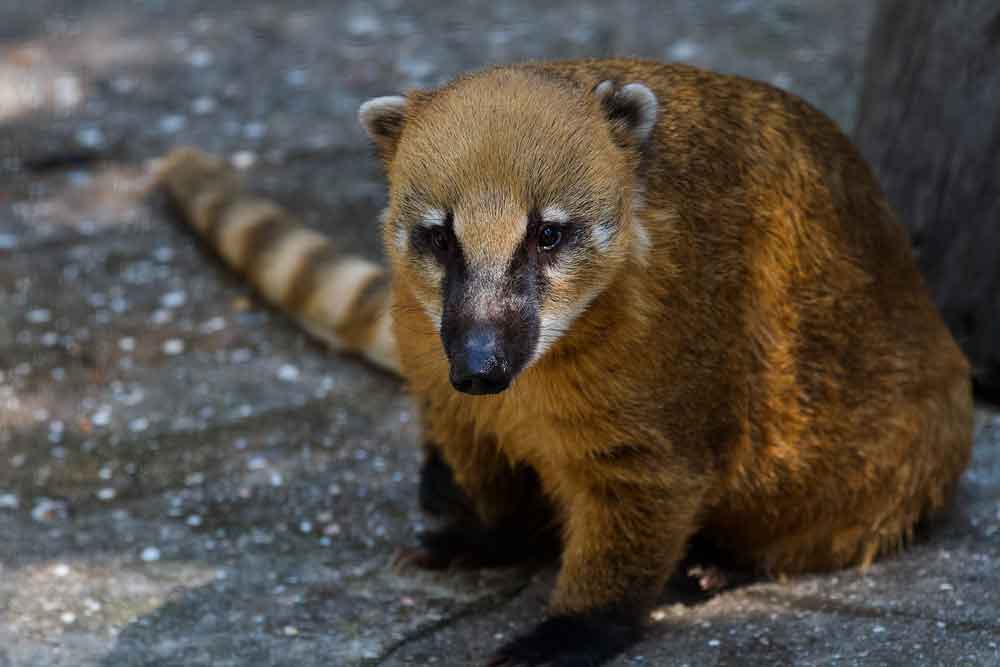
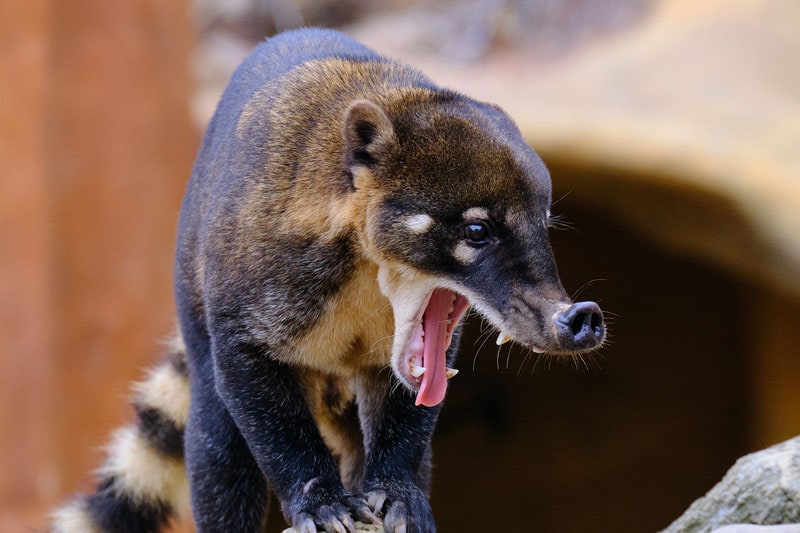
A coatimundi, also known as a coatimundi or coati, is a species of omnivorous mammal native to South and Central America. Coatimundis belong to the same family as raccoons and are known for their distinctive long noses and ringed tails. They are typically found in tropical rainforests and are known for their agility and climbing ability. Coatimundis are social animals and can often be found in large groups, known as bands. They are opportunistic eaters and will feed on a wide range of food sources, including fruits, insects, and small animals. Coatimundis are intelligent and curious animals, and they are popular attractions at zoos and wildlife parks.
There are four recognized species of coatimundi, also known as coati:
The white-nosed coati (Nasua narica): This species is found in Central and South America, from Mexico to Argentina. White-nosed coatis have a distinctive white patch on their nose and are the largest of the four coati species. They are known for their strong social bonds and can often be found in large groups, known as bands.
The South American coati (Nasua nasua): This species is found in South America, from Colombia to Argentina. South American coatis are smaller than white-nosed coatis and have a reddish-brown coat with a white belly. They are agile climbers and are often found in trees.
The eastern mountain coati (Nasuella olivacea): This is the smallest of the coati species and is found in the Andes Mountains of South America. Eastern mountain coatis have a grayish-brown coat with a white belly and are adapted to living in high altitudes.
The western mountain coati (Nasuella meridensis): This species is found in the Andes Mountains of South America, from Colombia to Peru. Western mountain coatis are similar in appearance to eastern mountain coatis, but have a slightly darker coat and are found at lower elevations.
It’s important to note that there is some debate among scientists about the classification of these four coati species and whether they should be considered separate species or subspecies. Some researchers believe that there may be only two species of coati, with the eastern and western mountain coatis being considered subspecies of the South American coati.
3. How long do coatimundi live in the wild and captivity?
Coatimundis are generally considered to be long-lived animals, both in the wild and in captivity. In the wild, coatis typically have a lifespan of around 7 to 10 years, although some individuals have been known to live up to 14-16 years. In captivity, coatis may live longer due to the availability of food, protection from predators, and access to veterinary care. Some coatis in captivity have been known to live up to 20 years. However, it’s important to note that the lifespan of any animal can vary widely depending on factors such as genetics, diet, and habitat conditions.
4. Are coatimundi an endangered species?
Coati are not currently considered to be endangered. According to the International Union for Conservation of Nature (IUCN), the white-nosed coati (Nasua narica) is classified as “Least Concern,” while the South American coati (Nasua nasua) is classified as “Near Threatened.” The eastern mountain coati (Nasuella olivacea) and western mountain coati (Nasuella meridensis) are both classified as “Data Deficient,” meaning that there is not enough information available to determine their conservation status.
Although coatis are not currently endangered, they do face some threats in their natural habitat. These threats include habitat loss and degradation, as well as hunting and poaching. Coatis are also susceptible to diseases and parasites, and some populations may be negatively impacted by climate change. However, overall, coatis are considered to be relatively common and widespread throughout their range.
5. How did the coatimundi get its name?
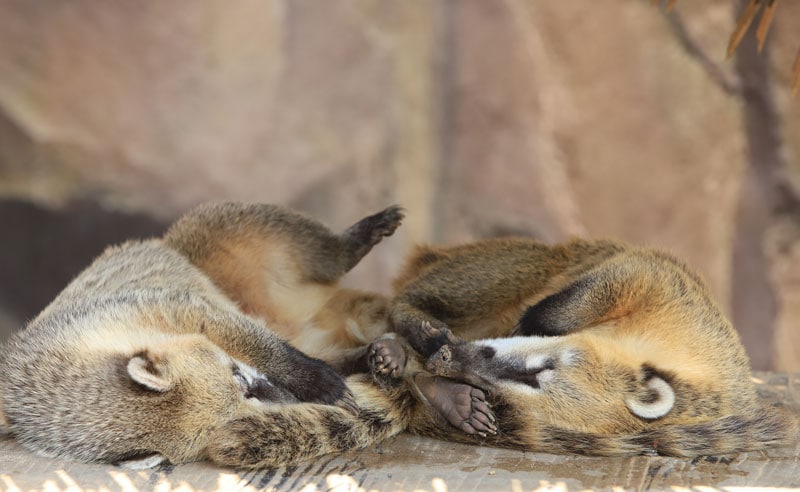
The word “coatimundi” is derived from the Tupi-Guarani language, spoken by indigenous people in South and Central America. The term “coati” is a shortened version of the word “coatimundi,” which means “red nose” in Tupi-Guarani. The Tupian word, kua’ti, is a combination of “cua” meaning “belt” and “tim” meaning “nose,” describing the way the coati sleeps with its nose tucked into its belly. The term is thought to refer to the distinctive red noses of the South American coati (Nasua nasua) and white-nosed coati (Nasua narica), two of the four recognized species of coati. The other two species, the eastern mountain coati (Nasuella olivacea) and western mountain coati (Nasuella meridensis), are not named after their nose color.
6. How do coatimundi communicate?
Coatimundis are social animals and use a variety of vocalizations, body language, and scent marking to communicate with each other. Coatis are known for their distinctive calls, which include chattering, chirping, and growling sounds. These vocalizations are used to communicate a range of emotions and intentions, such as aggression, fear, playfulness, and excitement.
Coatis also use body language to communicate with each other. For example, they may arch their backs, puff out their fur, or flare their nostrils to show aggression or dominance. They may also use more subtle gestures, such as touching noses or grooming each other, to show affection or social bonding.
In addition to vocalizations and body language, coatis also communicate through scent marking. Coatis have scent glands on their face and tail, which they use to mark their territory and communicate with other coatis. They may rub their face or tail on objects or vegetation to leave a scent mark, which other coatis can detect and interpret. This scent marking helps coatis to establish social hierarchies and communicate with each other about their presence and intentions.
7. Do coatimundis live in packs?
Coatis can often be found in large groups, known as bands. These bands are usually made up of females and their offspring, and they can range in size from a few individuals to over 20 individuals and sometimes up to 30. Coatis are known for their strong social bonds and can often be seen grooming and playing with each other. Offspring reach sexual maturity at about 2 years of age.
Males, on the other hand, are typically more solitary and tend to live on the fringes of the band, only joining the group during the breeding season. Once the breeding season is over, males will leave the band and establish their own territories. After male babies reach two years of age, they go off on their own, while the females remain in the band with their mothers.
Top 10 Questions About The Coatimundi Answered 190
Coatis are highly territorial and will defend their territory from other coatis, as well as from other animals. They use a variety of vocalizations, body language, and scent marking to communicate with other coatis and establish their dominance in the group. Coatis are also known for their intelligence and curiosity, and they are known to explore their surroundings and forage for food.
Accustomed to arboreal life, coatimundis mate in the trees, creating nests for their young among the branches and leaves. The offspring stay in the nest with their mother for 5 to 6 weeks before the mother rejoins the band.
8. What is special about coatimundi tails?
Coatimundis are known for their distinctive ringed tails, which are longer than their body length and can be used for balance and communication. Coatis use their tails to help them balance when they are climbing trees or other structures, and they can also use their tails as a “fifth limb” to help them reach for food or other objects.
In addition to their functional uses, coatis’ tails also have a social function. Coatis use their tails to communicate with each other and to establish their dominance in the group. For example, they may hold their tails upright and flare the fur to show aggression or dominance, or they may wag their tails to show playfulness or excitement.
Coatis’ tails are also used for scent marking, as they have scent glands on their tail that they use to mark their territory and communicate with other coatis. When they are agitated or threatened, coatis may also use their tails to make a loud, drumming noise by slapping their tails on the ground, which can be used to warn other animals or deter predators.
Top 10 Questions About The Coatimundi Answered 191
9. Do coatimundi have double-jointed ankles?
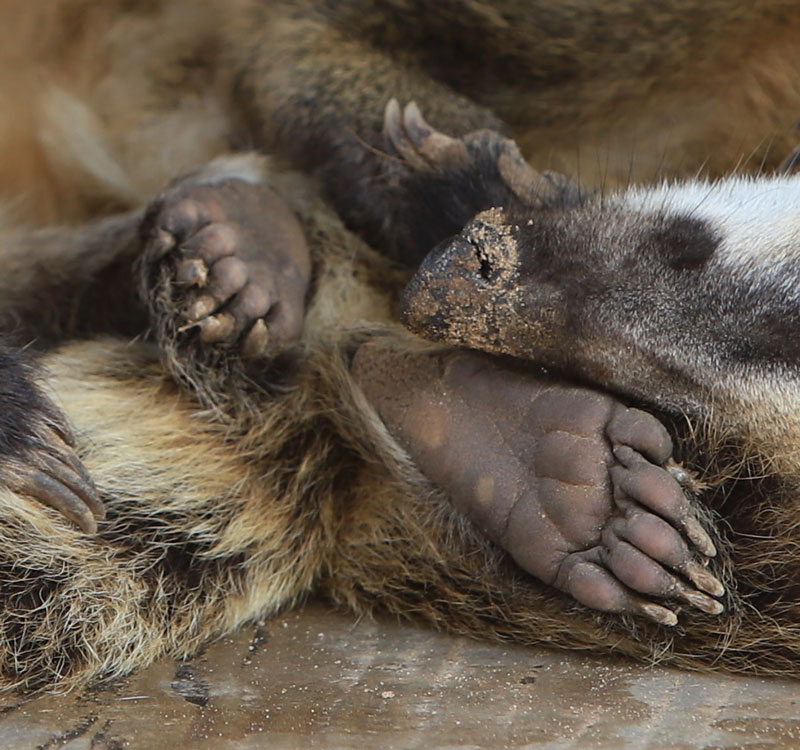
It is reported that Coatimundis have developed double-jointed ankles. Coatis are known for their agility and climbing ability, their agility and climbing ability is due to their strong legs and sharp claws, which allow them to grasp and hold onto objects and climb trees and other structures. Their ankles can rotate a full 180 degrees, this allows them to climb down trees headfirst at high speeds, helping them evade predators. These joints are also extremely flexible. Their front paws are highly dexterous and help them to escape from almost any human-made enclosure or cage.
10. What do coatimundi eat?
Coatis are opportunistic eaters and will feed on a wide range of food sources, including fruits, insects, small animals, and even carrion. They have a long, flexible snout and are known for their strong sense of smell, which they use to locate food.
In the wild, coatis are known to feed on a variety of fruits, such as bananas, papayas, and avocados. They also feed on insects, including beetles, grasshoppers, and termites. Coatis are also known to hunt and feed on small animals, such as lizards, snakes, and rodents. In addition to these food sources, coatis are also known to scavenge for food and will feed on carrion if it is available.
Coatis are found in a variety of habitats, including forests, savannas, and grasslands, and their diet can vary depending on the availability of food in their particular habitat. Coatis are known for their intelligence and curiosity, and they are known to explore their surroundings and forage for food.
Summary
Coatimundis, also known as coati, are omnivorous mammals native to South and Central America. There are four recognized species: the white-nosed coati, the South American coati, the eastern mountain coati, and the western mountain coati. Coatimundis are known for their long noses and ringed tails, and they are typically found in tropical rainforests. They are social animals and can often be found in large groups. Coatimundis have a lifespan of 7-10 years in the wild, and up to 20 years in captivity. They are not currently considered endangered, but they do face some threats such as habitat loss, hunting, and disease. The word “coatimundi” is derived from the Tupi-Guarani language and means “one who digs with the nose.”
You May Also Like This Article…
Top 10 Questions About The Coatimundi Answered 192


















































&url=https://texaspetcompany.com/can-you-use-dog-dewormer-on-cats/&media=https://texaspetcompany.com/wp-content/uploads/2020/04/Texas-Pet-Company-Worm-Defender-Dog-Treat-Supplement-Front-1024x963.png)