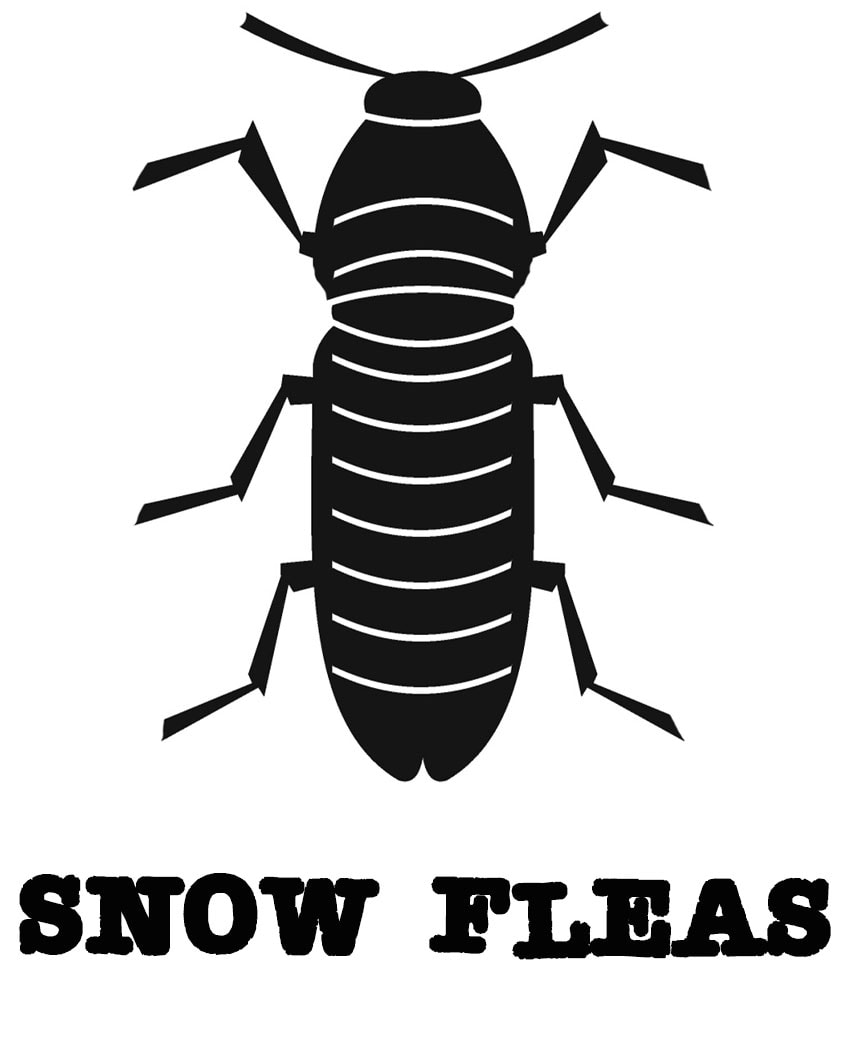
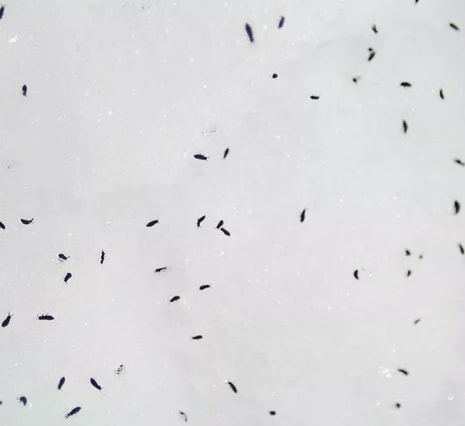
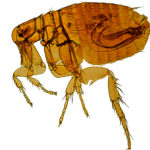
A springtail bug (snow flea) is a small, wingless insect that is commonly found in areas with cold climates, such as mountain ranges or regions with heavy snowfall. They are typically black or dark brown in color and have a hard, shiny exoskeleton. Snow fleas are not actually fleas, but rather a type of springtail, a type of insect that belongs to the order Collembola. They are usually found on the surface of the snow, where they feed on algae, fungi, and other organic matter. Despite their small size, snow fleas are known for their ability to jump great distances, thanks to a flexible appendage called a furcula that they use to propel themselves through the air.
Where do Springtails come from?
Springtails are found in many areas with cold climates, such as mountain ranges or regions with heavy snowfall. They are widely distributed throughout the world and can be found in both the northern and southern hemispheres. In the United States, snow fleas are commonly found in the northeastern and Rocky Mountain states, as well as in Canada and Europe. These insects are adapted to living in cold environments and are able to survive subzero temperatures by entering a state of suspended animation known as diapause. They are often found on the surface of the snow, where they feed on algae, fungi, and other organic matter.
Springtails: Top 5 Questions About The Snow Flea Answered 16
Springtails: Top 5 Questions About The Snow Flea Answered 17
Do Springtails bite humans or pets?
Springtails are small insects that do not bite humans or pets. These insects do not have the mandibles or mouthparts necessary to bite or sting, and they do not pose any threat to people or animals. They are generally harmless and are not considered to be a dangerous pest. In fact, snow fleas are often considered to be a beneficial insects, as they help to decompose organic matter and recycle nutrients back into the soil. If you do come into contact with snow fleas, you may feel a slight tickling sensation, but they are not capable of biting or causing any harm.
How to get rid of Springtails
There are a few steps you can take to reduce the population of springtails in your yard or garden:
Remove excess moisture: Springtails thrive in moist environments, so reducing excess moisture in your yard can help discourage their presence. This can be achieved by properly draining any standing water and keeping your lawn and garden well-drained.
Apply a pest control product: There are a variety of pest control products available that can be effective in controlling snow fleas. Look for products that contain the active ingredient pyrethrin, which is a natural compound derived from chrysanthemums that is effective against many types of insects. Be sure to follow the instructions on the label carefully and apply the product according to the manufacturer’s recommendations.
Keep the area clean: Springtails are attracted to organic matter, so keeping your yard or garden clean can help reduce their presence. This means removing dead leaves, grass clippings, and other debris that may attract these insects.
Encourage natural predators: Many birds and other animals, such as spiders and beetles, feed on snow fleas. Encouraging these natural predators to visit your yard can help keep the population of springtails in check.
It’s important to note that springtails (snow fleas) are generally not considered to be significant pests, and they are not known to cause any harm to plants or animals. In most cases, it is not necessary to take any drastic measures to control their population. Simply following the above steps can help to keep their numbers in check.
-> Here is a step by step guide to get rid of snow fleas: Get Guide
Why are they called springtails or snow fleas?
Springtails are called snow fleas because they are often found on the surface of the snow, especially during the winter months. These insects are not actually fleas, but rather a type of springtail, a type of insect that belongs to the order Collembola. They are known for their ability to jump great distances, thanks to a flexible appendage called a furcula that they use to propel themselves through the air. This ability, combined with their shiny, black appearance, may have contributed to their being given the name “snow fleas.” However, the term “snow flea” is not a scientific term and is not used by entomologists to describe these insects. They are more commonly referred to as springtails or by their scientific name, Collembola.
Summary
A springtail snow flea is a small, wingless insect that is commonly found in cold climates, on the surface of snow. It is a type of springtail insect that feeds on algae, fungi, and other organic matter. Snow fleas do not bite humans or pets and are not considered to be a significant pest. To control their population, reduce excess moisture in the area, apply pest control products, keep the area clean, and encourage natural predators. Snow fleas are called snow fleas because they are often found on snow and can jump great distances. They are not actually fleas, but rather a type of springtail.
Springtails: Top 5 Questions About The Snow Flea Answered 18
Losing a dog is never easy for dog owners. The Rainbow Bridge Dog Coloring book can help console a grieving dog owner, whether it’s you or a loved one. If you are looking for a dog memorial gift, or dog sympathy gift, this adult coloring book is a great option. Work through grief and stress over the loss of a dog with 30 days of coloring to work through the grief cycle while creating a dog keepsake book. A keepsake coloring book with a thoughtful rainbow bridge sentiment to help honor your dog's memory. A gentle reminder to a mourning dog owner that their furbaby is in a good place, and that they will see them again someday and cross The Rainbow Bridge together.
A rainbow bridge coloring book is perfect if you are looking for:
dog remembrance gift
dog memorial
dog sympathy gift
dog funeral activity
comforting to dog loss owners
dog bereavement gift
coping with the death of your dog
dog condolences gift
This dog memory coloring book is not just for adults, but it can be helpful to kids and teens who are mourning the loss of the family dog. With 30 different designs, everyone can contribute to the keepsake coloring book.
Color Grieving Over The Rainbow Bridge Adult Coloring Book: 30 Day Coloring Book To Help Cope With The Loss Of Your dog
Adult Coloring Book To Help Cope With The Loss Of A Dog. For Grieving Dog Owners, A great Gift To Support The Passing Of A Family Dog.
Losing A Pet Is Heartbreaking. How Can You Help Cope With The Loss? Try Coloring!
For You Or A Loved One, The Rainbow Bridge Dog Coloring Book Makes A Special Sympathy and Bereavement Gift. Perfect For Sending Condolences For Dog Owners Who Have Lost Their Beloved Pet.
Large 8.5" x 11" Paperback Format
Large 8 1/2" x 11" paper size with illustrations on single side. Blank pages included for special messages, doodling or personal drawings.
The Rainbow Bridge Coloring Book can be used by adults and children.
Choose Your Colors
As you color pages you can remember happy thoughts about your furbaby and work through the grieving process.
Losing a pet is painful, but coloring can help you cope.
Choose your own colors to make beautiful designs.
30 Mandala-Style Design Pages
Each illustration features an adorable dog doing what dogs do best. Every page has a hand-picked mandala-style pattern to fill in with amazing colors.
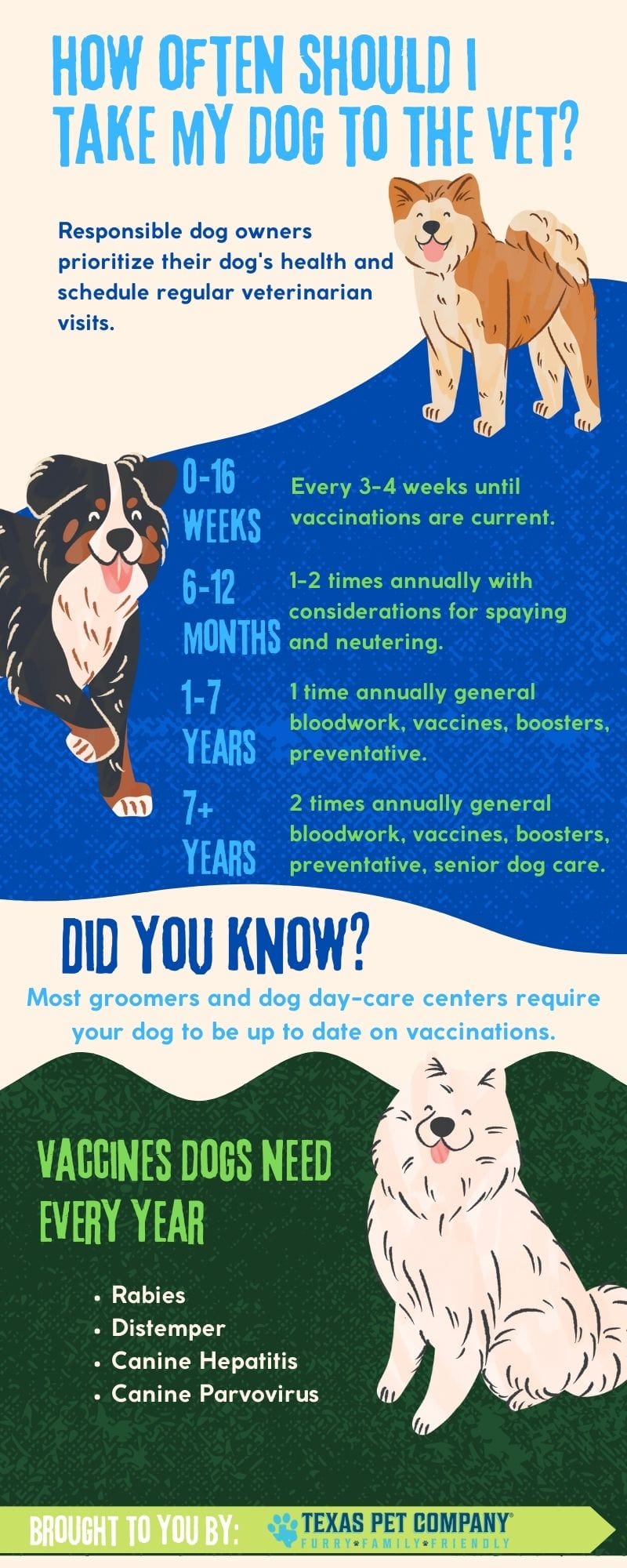
New dog owners often ask when and how many times they should take their dog to the vet.
The simple answer is: IT DEPENDS
The biggest factor to determine how many times to schedule a visit to the vet for your dog is your dog's age. From puppies to senior dogs the answer may vary.
A good rule of thumb is to think about it just like humans. Young ones visit more often than adults, but as you grow older to senior age your doctor visits increase. Keep in mind if you are worried about the cost of vet services, preventative care can keep your dog healthier and save you money, in the long run, helping avoid emergency and advanced care costs.
How often should I take my dog to the vet? There are also considerations for the breed and environmental conditions. Always consult with a veterinarian to determine what is best for your dog.
Did you know there are DNA kits for dogs? If you ever wondered if your dog is purebred or a descendant of a regal breed you can find out with a simple test kit.
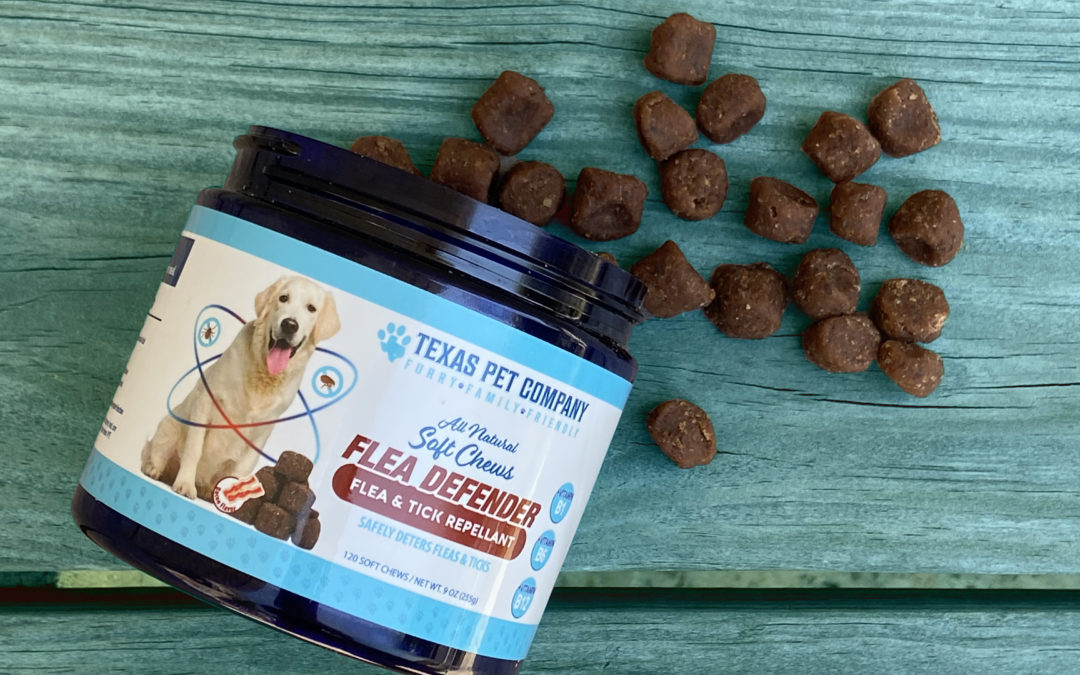
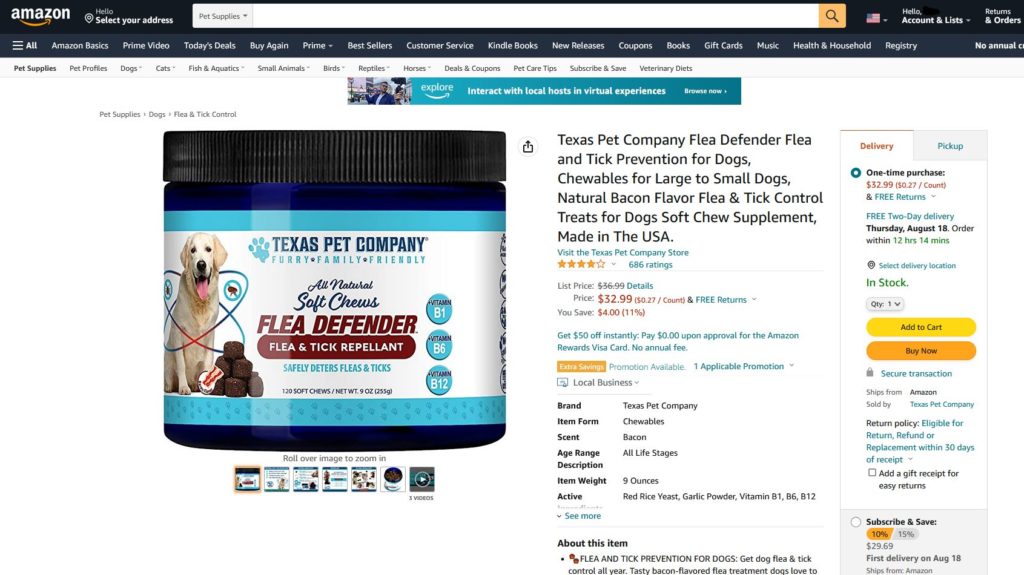
The best all-natural flea & tick prevention chewable treat is available on Amazon. Get free shipping for Prime Members, and save when you subscribe & save.
Flea And Tick Prevention For Dogs | Buy On Amazon 45
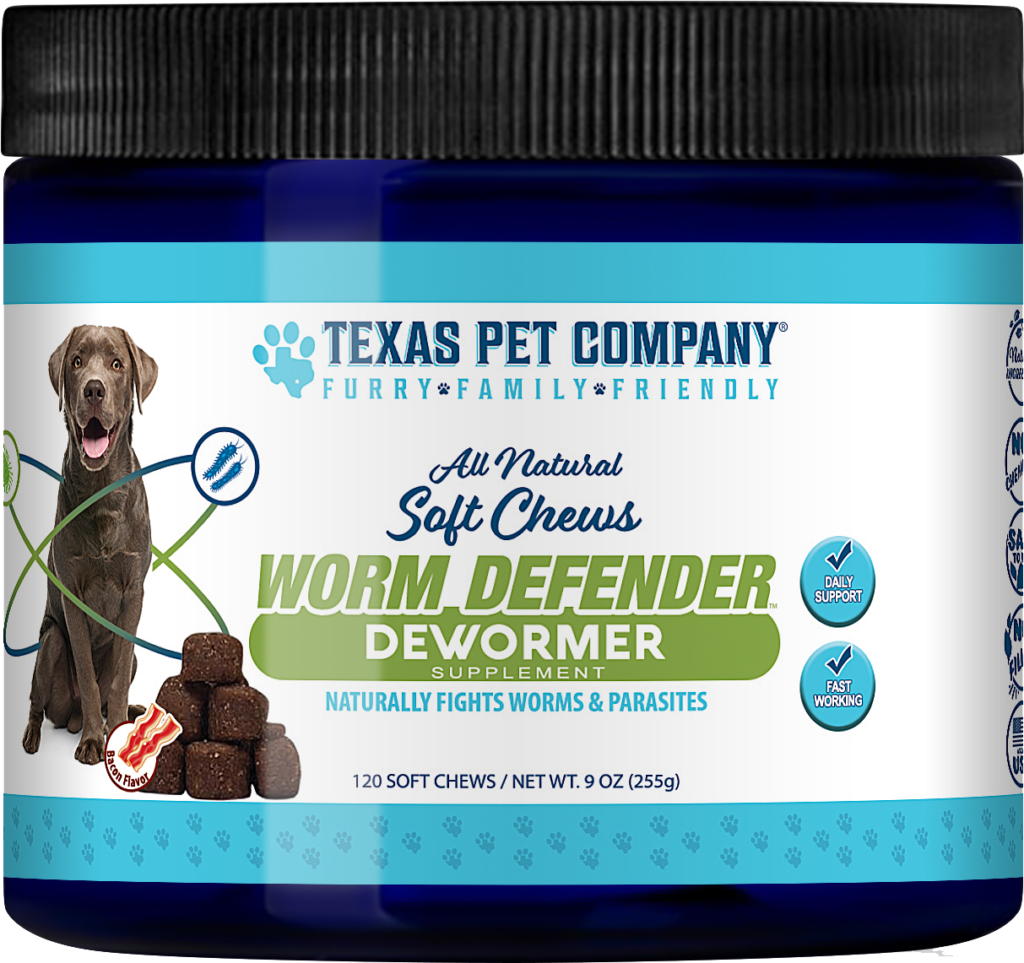
There are options when looking for a natural dewormer for dogs.
The best natural dewormer for dogs is a balanced healthy diet. A good diet for dogs will help build a strong immune system. Your dog’s IgE antibodies can destroy parasitic worms on their own, so it is important to support your dog's immune system with healthy foods that include good amounts of zinc, vitamin D, and other immune-boosting nutrients.
In addition to a good diet, you can deworm your dog with natural foods and herbs that help eliminate all types of intestinal worms in your dog. Prevention, regular testing, flea control, and good hygiene make the best course of action to prevent serious consequences to your dog caused by worms.
In all cases where your dog's diet is concerned, talk to your vet and make sure your natural remedies to eliminate worms in dogs are made according to your dog's weight, age and allergen tolerance, take extra caution with pregnant dogs and puppies.
Here are the top 3 natural foods that act as a natural dewormer for dogs:
Pumpkin Seeds
Apple Cider Vinegar (ACV)
Diatomaceous Earth (DE)
Natural Dewormer For Dogs 53
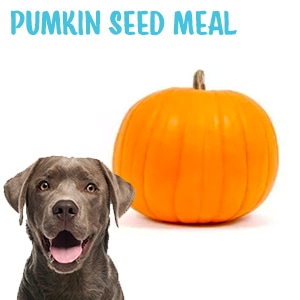
Pumpkin Seeds: Raw, organic pumpkin seeds are loaded with all important nutrients to your pet’s overall good health. Pumpkin contains the amino acid, cucurbitacin, which paralyzes and eliminates worms & parasites from the digestive tract. You can feed your dog the seeds whole, or grind them up and add to your dog's food. Using pumpkin seeds instead of prescription veterinary dewormer will help with concerns and side effects such as diarrhea, vomiting, or allergic reaction. Pumpkin seeds are a safe dog dewormer and also provide quality protein, amino acids, and nutrients.
Natural Dewormer For Dogs 54
Apple Cider Vinegar: ACV increases alkaline levels in your dog’s intestinal tract making it inhospitable for worms and parasites. Additionally, apple cider vinegar reduces itchy skin, detoxes the kidneys, reduces urinary tract infections, and helps reduce GI symptoms like gassiness and bloating.
Gut health is extremely important to your dog’s overall health. Nearly 90% of your dog’s immune system is in the gut. Probiotics are good bacteria that support your dog’s gut health, and prebiotics feed those good bacteria to help them work better. The fermentation process used for raw apple cider vinegar makes it a useful prebiotic. ACV’s prebiotic properties support the good bacteria in the gut, helping with digestion and keeping your dog's gut nice and healthy.
Natural Dewormer For Dogs 55
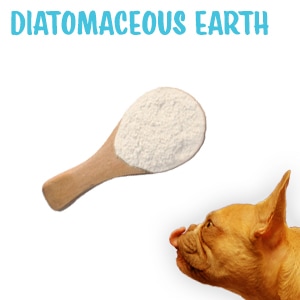
Diatomaceous Earth: Food grade DE is effective against insects & parasites. It is deadly to any insects because microscopically sharp edges contact the insect or parasite, and pierce their protective coating, causing dehydration until elimination, while remaining completely harmless to animals. Diatomaceous Earth is an efficient detox solution while acting as a digestive aid and colon cleanser too. DE can absorb harmful substances like methyl mercury, organophosphate pesticide residues, viruses, endotoxins, proteinaceous toxins from intestinal infections like E-coli, and harmful drug residues.
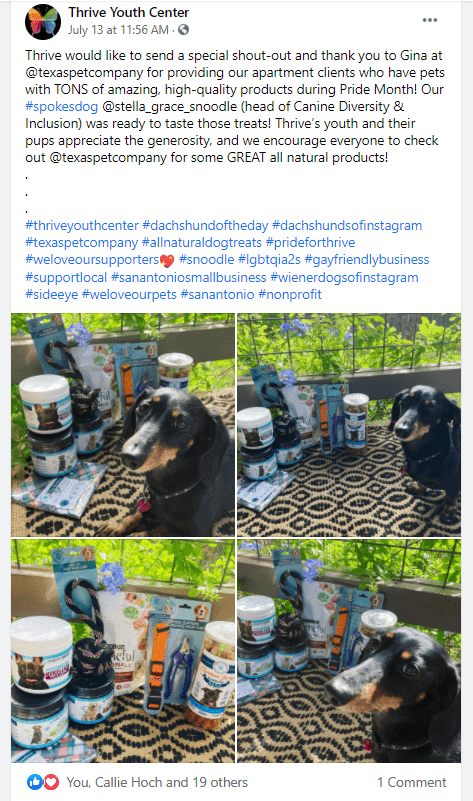
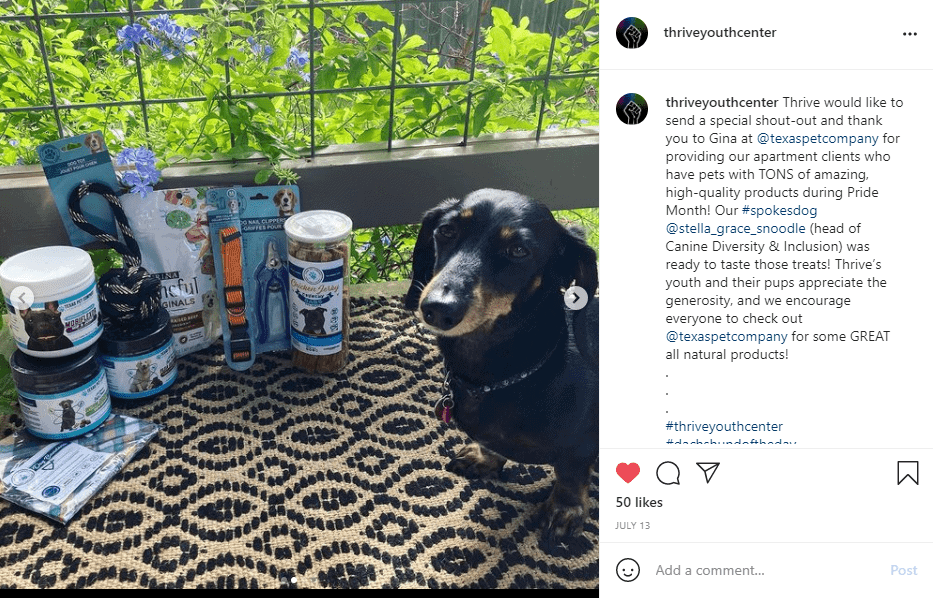
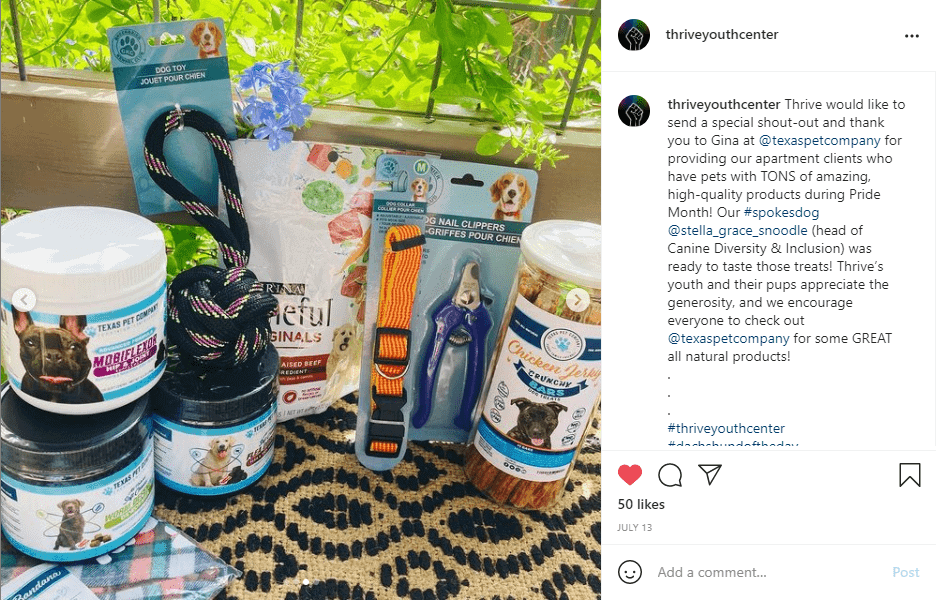
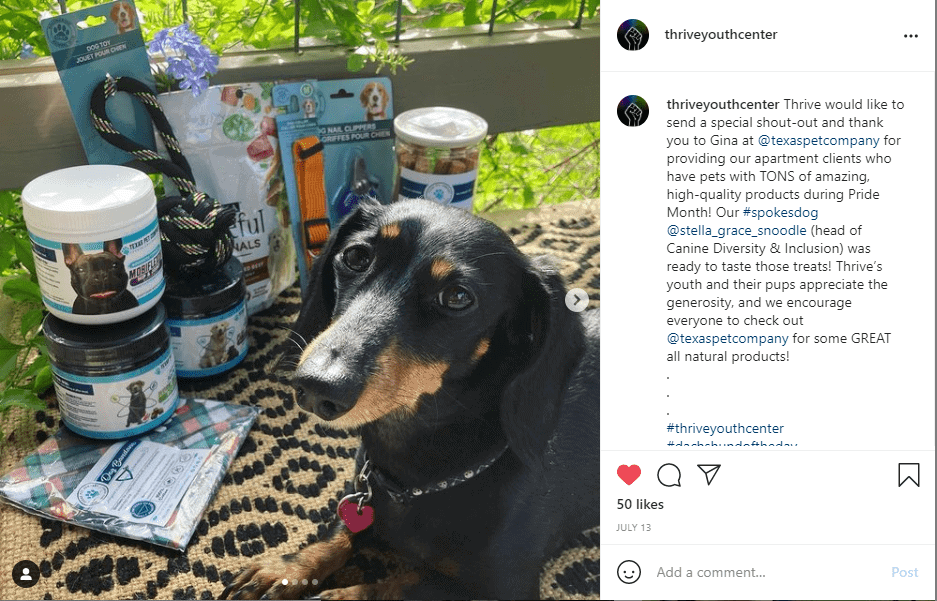
Texas Pet Company supports the LGBTQ Community. In the spirit of giving during Pride Month, we partnered with the Thrive Youth Center to outfit individuals in their organization who were dog owners.
The Thrive Youth Center's mission is to provide LGBTQ+ homeless young adults with a safe and supportive environment to facilitate their empowerment toward transforming their lives.Their vision is to create an equitable community where all LGBTQ+ young adults can flourish.
Animals provide companionship and a sense of security for homeless people on the streets and can be a really important source of support, of mental stability, among people who experience so much loss and trauma, and vulnerability.
While no official nationwide statistic exists, it is believed that between 5-10% of people living in homelessness are believed to have a pet, and as much as 25% in certain cities.
Many shelters and homeless service providers have strict rules in place around bringing pets into their facilities, as pets can raise questions around allergies and general safety. That means that owning an animal may exclude or deter people from getting the services they need.
Follow Thrive on Social Media @thriveyouthcenter
SUPPORT THE THRIVE YOUTH CENTER
As a 501(c)(3) non-profit organization, the Thrive Youth Center provides successful programs with donations and volunteers.
Lesbian, Gay, Bisexual and Transgender Pride Month (LGBT Pride Month) is celebrated annually in June to honor the 1969 Stonewall riots, and works to achieve equal justice and equal opportunity for lesbian, gay, bisexual, transgender, and questioning (LGBTQ) Americans.
Today, celebrations include pride parades, picnics, parties, workshops, symposia and concerts, and LGBT Pride Month events attract millions of participants around the world. Memorials are held during this month for those members of the community who have been lost to hate crimes or HIV/AIDS. The purpose of the commemorative month is to recognize the impact that LGBTQ individuals have had on history locally, nationally, and internationally.
Common symbols of pride include the rainbow or pride flag, the lowercase Greek letter lambda (λ), the pink triangle and the black triangle.
The nutrition of the apple is widely known. While many throw away the core when eating an apple, I eat the whole apple and leave nothing out as the core contains the most important and beneficial part of the apple. Apple cider vinegar is an amber-colored liquid made from apples and is a powerful, purifying and detoxifying agent. It contains minerals and trace elements such as magnesium, potassium, phosphorous, sulfur, sodium, chlorine, calcium, copper and iron. Cider vinegar is very effective at breaking down mucus, phlegm and fatty deposits in the body. With this process it improves vital organs such as the liver, bladder and kidneys as it prevents excessive alkaline in the urine. Cider vinegar possesses anti-bacterial, anti-fungal, and anti-viral properties and is very effective in neutralizing toxic substances that enter the body, thinning the blood through oxidation and improving digestion. Cider vinegar, when taken orally helps with acid reflux problems as well as high cholesterol, constipation and heartburn.
Apple cider vinegar (or ACV) is a potent source of potassium. Potassium assists with replacing immobile, worn-out and fatigued tissue within the body and has been researched to assist with alleviating and easing cold symptoms and allergies. This is ideal if you live in a highly polluted area where allergies and sinus infections are rampant. Since ACV is rich in potassium, it can also help with tooth decay and splitting nails which are due to potassium deficiency. It also helps with clotting and cleansing of the blood. Ill-health may occur due to lack of salts or minerals which might invite toxin build up causing acne, boils and blisters. Cider vinegar helps eliminate this process with it's potassium-rich properties.
As a beverage or through absorption cider vinegar is thought to assist with arthritis (applied topically with a warm compress soaked in vinegar and applied to the joints). It's a very strong and bitter taste/smell so be warned and use a sweetener like honey when drinking vinegar. I like to heat it up adding honey and a slice of lemon to drink as a tea. I most often use one teaspoonful of vinegar with at least two teaspoonfuls of honey when I make this tea.
With most plants, soil potassium deficiency can be a problem producing anemia which affects growth. Cider vinegar is known to be a useful potassium source assisting with health and size. The acidic properties can only help to deter pests and insects. Flies and bugs do not like the smell and if used as an atomized spray (half to full strength ACV), you can deter these pests. I've seen and heard of successful results where half-strength ACV is used on the coats of dogs and horses which leads me to believe it would be effective on any pet when trying to repel insects, ticks, fleas and bacteria or simply create a shiny coat. Additionally, pets benefit from ACV consumption. For example, I would give a small (toy) dog about 1 teaspoonful of ACV three times a day and a larger, two to three teaspoonfuls. Of course with the bad taste, it would need to be mixed very well in the food or drink.
Apple cider vinegar gives new meaning to the term "An apple a day keeps the doctor away". The reported cures from consuming apple cider vinegar are numerous and I'm thoroughly convinced of it's positive effects on and within the body. It only makes sense that apple cider vinegar would reduce the effects of aging and promote a healthy lifestyle. You can make ACV at home by using apples, yeast fermentation and acetic acid fermentation. The following site gives a detailed description of how to do this:
All content in this article and all articles I publish are to be considered for educational and informational purposes. As always, I suggest before you adopt, utilize or apply any of this content and information, that you research on your own and find out if it works, or will work for you. I have not adequately researched the combined effects of prescribed medicine and/or unnatural chemicals with apple cider vinegar or any other natural remedy discussed in this article or on this website. Although I have known of cases and people that have used ACV while taking prescribed medicine without negative reactions, this does not mean the same applies to all.
Does Your Dog's Diet Need to Include Dog Supplements?
A healthy, balanced diet is essential for a long and happy life with your dog. How do you know if your dog's diet needs dog supplements? What types of supplements should you add to your dog's diet?
In most cases, your dog's diet does not require supplements, but there are benefits to adding dog supplements. Assuming you feed your dog a diet formulated by a reputable dog food company, your dog's food is specially designed for a healthy balance to ensure excellent health for your pet.
Occasionally, some low-quality dog foods will increase the need for extra supplementation. Your vet may recommend that you give your dog's diet a little boost. Consider supplementing your dog's diet with eggs a couple of days per week. This simple step will add extra amounts of vitamins A and D to your dog's diet. Such vitamins help to maintain good bone structure and healthy eyes.
Dog Supplements – Does Your Dog Really Need Them? 73
If you have decided to personalize your dog's diet by customizing a raw diet, cooking at home for your dog, or if just want to make sure your dog's diet is at its best, you will want to know about the benefits of other dog supplements. Your dog's diet can be supplemented with whole grains, vegetables, and nuts. These items will increase your dog's intake of important vitamins. Another way you can supplement your dog's diet is to increase the amount of vitamins that can be found in dog supplements. Your dog needs vitamins for a healthy, balanced diet to support healthy skin, bones and muscles.
To ward off immune system deficiencies, supplement your dog's diet with additional vitamin E. Good sources of vitamin E can be found in wheat germ, bran, and vegetable oil.
Vitamin K can be another important nutrient in your dog's diet. Liver, fish, leafy greens, and seeds can provide vitamin K to your dog's diet. This vitamin will help to enhance your dog's blood clotting abilities.
Supplementing your dog's diet needs to be done correctly. Always seek advice from a veterinary professional before supplementing or changing your dog's diet in any way just to be on the safe side. Be sure to consider your dog' weight and food ingredients.
Calcium supplements can be dangerous when used excessively in your dog's diet. Although calcium is good in moderation to form strong, healthy bones, too much calcium can create trouble. Large breed pups given too much calcium may grow large bones, but these bones lack the strength they need.
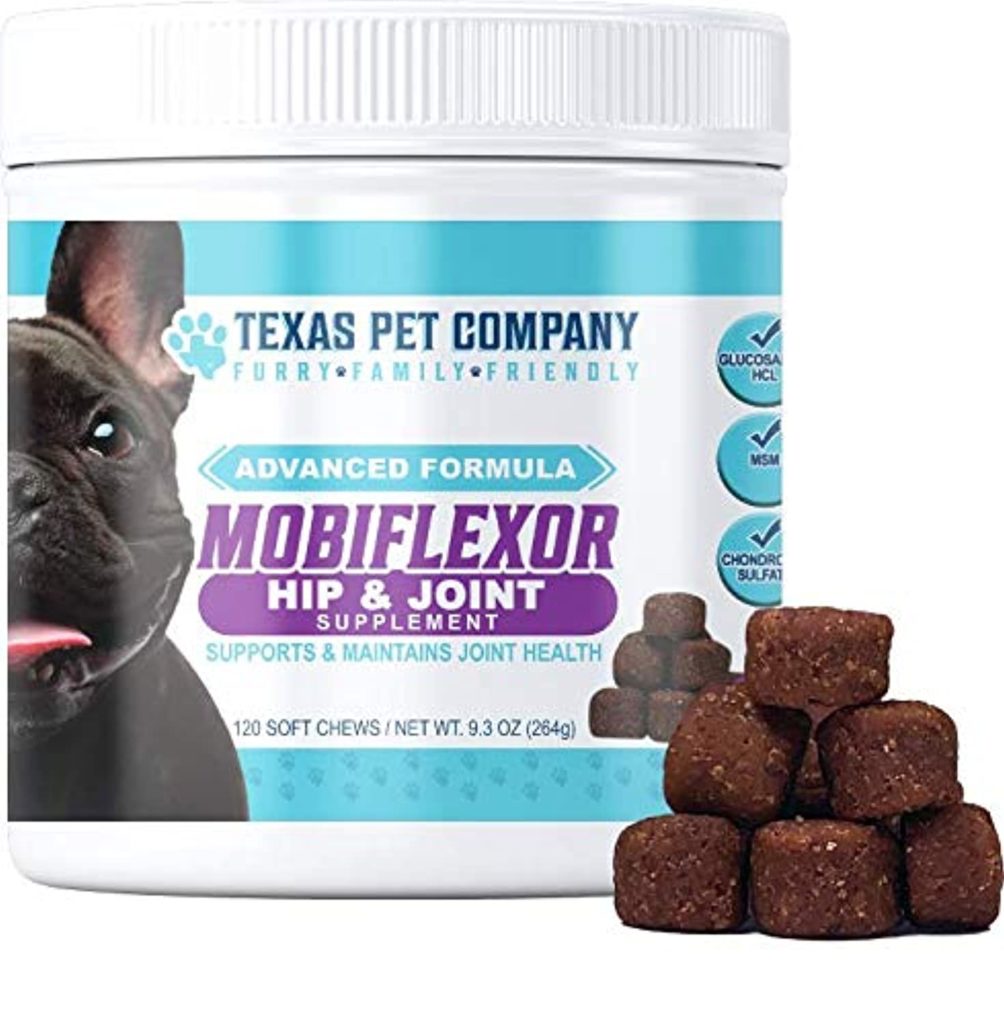
MOBIFLEXOR ADVANCED FORMULA HIP & JOINT SUPPORT FOR DOGS
Always talk to your vet about the supplements you are considering. Your vet can advise you on the appropriate amounts of each supplement to add to your dog's diet. Both you and your vet care for your dog and want what is best for your dog. Providing a healthy and nutritious diet is one of the easiest ways to ensure good health for your furry friend.
Texas Pet Company is dedicated to bringing you all-natural dog treats and supplements. A healthy alternative to processed, artificial, and chemical products for your pets. We treat our pets like family. We work hard so our pets can have a better life.
Be sure to check us out and follow us online.
Want to learn more about Dog Supplements including MOBIFLEXOR HIP & JOINT Supplement for dogs? Check out our blog posts
The article is about the Chihuahua breed of dog. It discusses their history, appearance, personality, health, and care. Chihuahuas are the smallest breed of dog in the world, and they are known for their big personalities. They are intelligent and loyal dogs, but they can also be stubborn and independent. Chihuahuas are susceptible to a number of health problems, including arthritis, hip dysplasia, and hypoglycemia. They need regular grooming and exercise to stay healthy. With proper care, Chihuahuas can live long and happy lives.
The Chihuahua is the smallest breed of dog in the world and is named after the state of Chihuahua in Mexico, where it was discovered in 1850. Some scholars believe the Chihuahua to be descended from Chinese hairless dogs who may have crossed over from Asia to Alaska on a land bridge before continental separation created the Bering Strait and bred with the ancient Techichi dog, creating the modern-day Chihuahua. But due to the lack of archaeological proof to support this theory, it was later believed that Chihuahuas were brought to Mexico by settlers from Spain. The American Kennel Club registered its first Chihuahua in 1905.
Appearance
Size
Weight
Coat
Color
There are two types of Chihuahua. One of which has a smooth, soft glossy coat, which covers the whole body except the head and ears. The other version has a long coat with an undercoat. This type of coat could be curly or flat. The Chihuahua falls under the AKC's toy category. Generally, their height is 6 to 10 inches at the shoulders and their weight is 2 to 6 pounds. Chihuahuas come in various colors, from plain white to solid black and spotted, or other colors like silver, blue or gray, chocolate, fawn or tan, tricolor-chocolate, blue or black with tan or white markings, merle, and brindle, and each of the colors varies in tone and shade. Chihuahuas are mostly known for their small body and large, sharp ears. A Chihuahua's nose is usually short and slightly pointed. They have lean jaws and cheeks and blue, mole, or chocolate-colored noses. However, a pink nose is permissible in blonde Chihuahuas. The tail is either up or curled in a loop with the tip of it slightly touching the back.
Many Chihuahua owners often are confused by the variety of dog foods available on the market. They often complain that their pets suffer from intestinal disorders, itching, dandruff, allergies, etc. As a responsible Chihuahua owner, you should provide your pet with meals containing proteins, carbohydrates, vitamins, fatty acids, and minerals. A proper balance of these components will not only keep the dog healthy and happy but it will also save you from the hassles and frustration of frequent vet visits and costs. Dry foods usually help to keep the dog's teeth clean and also, help to work his jaws. This kind of dog food is easily digestible. Aside from a few premium quality dog foods, you should avoid branded food items or commercial dog food. They contain preservatives, additives, artificial colors, non-nutritive residues, etc., and can adversely affect your dog's health and grooming tips. The chihuahua's diet also must contain vitamin and mineral supplements in balanced concentrations. You can safely give your Chihuahua a normal lamb and rice combination. This not only takes care of the nutritional needs of your Chihuahua, but it also reduces the risk of allergies and other health disorders. Due to lack of proper nutrition, Chihuahuas can suffer from vomiting, belching, loose stools, gassiness, and stomach ache after meals. Some foods commonly enjoyed by humans are dangerous to Chihuahuas like, chocolate, grapes, raisins, onions, macadamia nuts, alcoholic beverages, salmon (sometimes triggers allergies), etc. Also, do not overfeed your Chihuahua. Obesity is dangerous. In order to give your Chihuahua a long, happy, healthy life, you need to be conscious about what you are feeding it.
Personality
Intelligence
Loyalty
Stubbornness
Independence
Chihuahuas are prized for their devotion, ferocity, and personality. Their curious nature and small size make them easily adaptable to a variety of environments, including the city and small apartments. Chihuahuas are usually intelligent and independent by nature. Some dogs are bright and can learn quickly, while others are more stubborn and obstinate. Some are outgoing and friendly towards strangers while others are withdrawn and aloof. Whatever your Chihuahua's attitude now, your love, care, and training can change your dog completely, from an unruly, out-of-control dog to the best dog in the neighborhood. Chihuahuas, in general, are delightful characters and are lively, entertaining, and very loyal. They crave constant love and attention from you and your family members. Chihuahuas are not well-suited as small children's pets because of their size, temperament, and tendency to bite when frightened. It is recommended that children be school-aged or older before adding a Chihuahua to their home. Also, many Chihuahuas focus their devotion on one person, becoming overly jealous of that person's human relationships. This can be nipped in the bud through proper socialization. Chihuahuas also tend to have a clannish nature, often preferring the companionship of other Chihuahuas over other breeds of dogs. Chihuahuas seem to have no concept of their own size and may fearlessly confront larger animals, which can result in injury.
Health
Common health problems
How to care for a Chihuahua's health
Chihuahuas get sick from parasites, viruses, bacteria, protozoa, and fungi. In some cases, these diseases and infestations are fatal unless caught early and treated. Sometimes they sow the seeds of death or debilitation years down the road by causing chronic illness or damaging organs. Fortunately, veterinary researchers have developed drugs and treatments that reduce the occurrence and effects of many diseases and parasites, but they do not eradicate the diseases, they only hold them at bay. Immunizing Chihuahuas against disease is a simple process. Pet owners may even take vaccinations for granted. It is the most routine procedure performed in veterinary clinics. The major viral diseases are rabies, distemper, parvovirus, hepatitis, parainfluenza, and coronavirus. The major bacterial diseases are Lyme, leptospirosis, and kennel cough. Diseases like Rabies, Lyme, and Leptospirosis can also infect people.
Chihuahuas can also get sick from debilitating diseases like arthritis and hip dysplasia but are most common in older Chihuahuas. Chihuahuas are also very susceptible to hypoglycemia and diabetes. Before trying any treatment options, you should get an accurate diagnosis of your Chihuahua, which is usually done by a physical examination combined with x-rays performed at your veterinarian's. Treatment and prevention are personal choices but involve several options when considering your Chihuahua's health. You can either go for modern-day medicines or homeopathic treatments.
Care
Grooming
Exercise
Diet
Proper Chihuahua health care also involves grooming. You will often notice many Chihuahuas with dirty, rough, or greasy hair, their nails too long, teary eyes, and dirty ears. Obviously, these Chihuahuas are not well-groomed. Remember, a well-groomed Chihuahua not only looks good, but he feels good from within as well. This paves the way for better health for your Chihuahua. Incredibly enough after grooming, chihuahuas can look very different and seem to have more pep. Ticks, fleas, mange, and other parasites often breed on a Chihuahuas coat. With regular grooming, you can avoid this.
Physical exercise is important for your Chihuahua. Puppies, adolescents, healthy adults, and senior pets alike need lots of regular daily workout sessions to maintain their health. The type of exercise depends on the age and fitness of your Chihuahua and your own lifestyle. Chihuahuas are adaptable and are happy to play Frisbee in the park or take long walks in the neighborhood. Daily exercise is recommended unless the weather is especially dangerous or a medical problem limits your Chihuahua's activity. If there is a medical problem, consult your veterinarian about exercise limitations. Keep in mind that obese Chihuahuas and those with heart and lung diseases may have a problem, and be sure to consult your vet before starting a new regime.
You know your pet best and can often notice subtle early warning signs of illness that someone else may not detect. If you observe symptoms or other signs that worry you, call your veterinary immediately. The safest approach would be to have your pet examined before it is too late. Although figures often vary, as with any breed, the average lifespan for a Chihuahua is approximately 8 to 18 years of age.
Although an owner needs to take great care of a Chihuahua it will be your best friend and faithful companion for their life. And will give the owner great joy if taken care of properly.