Dog allergy symptoms often tend to be similar, irrespective of the cause of the allergy, and this does not help when you are trying to find out the cause of the problem. However, there are small indicators you should look out for if you believe your dog has an allergy, and that can be used to determine a likely cause.
Dogs are no different from humans when it comes to allergies, and dog allergy symptoms are very similar to ours – sneezing, itching, and watering eyes. However, we humans generally have a rough idea of what is causing our allergy, and we also know that we have one, but your poor dog has no idea what is causing that awful itch.
He sure can’t tell you, so let’s have a look at the more common dog allergy symptoms, and how they can be used to perhaps determine what is causing them. ‘Perhaps’ is used because dog allergies are notoriously difficult to diagnose, but the dog itself might help you.
Itching, Redness and Scratching
Itching is caused by irritation to the skin, and causes the dog to scratch the affected area. This turns it red and perhaps even inflamed if the dog starts biting and gnawing at the irritation. As inflammation sets in and the immune system kicks into gear, then the dog can get really agitated and distressed. The skin can become broken and subject to bacterial contamination that causes pustules to form.
There are two major causes of these dog allergy symptoms: contact allergens such as fleas, and food allergies. It is not so much the ‘flea bite’ that causes these symptoms, though it can be irritating, but the flea’s saliva. A flea bite is not an allergic reaction, but many dogs will have an allergic reaction to the saliva of the flea, which is used to prevent the blood from clotting as the flea feeds.
Other contact allergens include detergents, hairs (even human hairs) and some airborne allergens that land on the skin such as pollen, dust mites and other types of dust – they affect dogs just as they affect humans. The behavior of dogs suffering from any type of irritating itching is scratching and rubbing its skin on the ground – particularly a carpet or something slightly rough. Dog’s sometime sit down and walk with their front paws and their behind on the ground when they have itching at their rear end.
Food allergies in dogs can cause exactly the same symptoms unfortunately, but the ‘tell’ here is that a dog may also vomit, have loose stools or the abnormal behavior can often coincide with a change of food. If you notice this, and change the food back to regular, then the problem should go. Alternatively try only tinned foods, preferably organic if you can afford it, and that should cure a food allergy.
Running Eyes, Licking Paws
Just like humans are affected by pollen, hay fever is also a form of dog allergy. Their skin can become irritated, so they may scratch with most of the symptoms above, but the ‘tell’ here is that bitches are more affected than dogs, and their eyes tend to water just as with humans. Not only that, but another of the specific dog allergy symptoms is licking their paws.
They do this to alleviate itching in their paws, and you should give their feet a careful examination because ticks and fleas can be picked up from grass, and of course, dogs do not usually wear shoes so can pick up all sorts of infections when they are outside, not only allergens. However, by walking in clover fields, or even among daisies and buttercups in your garden, they can experience severe itching from the pollen, in which case their eyes my not water but they will be seen to be licking their paws excessively, and sometimes even gnawing at them.
So, while it is difficult to establish the exact cause of dog allergy symptoms, you can narrow it down by keeping your eyes open and observing your dog’s behavior. You can generally tell a contact allergen from a food allergy, and frequently hay fever can be diagnosed by the time of the year, your dog’s exposure and they way its eyes water or it licks its paws.
Nevertheless, if you are unsure, and your dog is suffering and displaying extreme dog allergy symptoms, you should play safe and pay a visit to the vet.
Do you know that hermit crabs suffer from mites just like dogs and cats suffer from fleas? Dogs have the tick, dogs and cats have fleas, and hermit crabs are susceptible to their own type of parasite called the mite. So how to get rid of mites on hermit crabs?
Hermit crab mites are very small, almost microscopic in size compared to the host, or hermit crab, and can do a lot of damage to the health of your crab if left untreated including premature death. This is not something you want to have to explain to your little son or daughter.
Even though many times smaller in size than the crabs themselves, the mites are tan and black, looking like little grains of sand, and are visible to the human eye. Unlike the infection of other parasites, which seems to just be plain bad luck, proper prevention and care of your crabs are much easier than dealing with them when they infect your crabs, and will greatly assist in preventing these crabs from getting infected with mites.
How to get rid of mites on hermit crabs?
After identifying there are mite in your tank, the following 5 steps will prevent or help cure and get rid of hermit crab mites once an infection begins:
Although it seems tempting, do not purchase or use commercial mite spray. This will unfortunately kill both the mites as well as your crab.
If mites are spotted in the tank, every piece of equipment will need to be properly treated to ensure the infestation is gone. Transfer your hermit crabs to a holding container. Fill small bowls with room temperature dechlorinated water or spring water with marine salt, one bowl per hermit crab. Take all the food and water bowls, driftwood, stones, artificial plants, and empty shells and boil them for a minimum of 10-20 minutes before drying these items and returning them to the cage once cooled. Now you know how to get rid of mites in hermit crab tank?
Once all the substrate has been removed and all accessory items have been properly sterilized, it is important to properly and thoroughly clean the cage to ensure no trace of mites. You can clean the cage by taking a wet cloth or paper towel and wiping the sides and bottom of the tank. Be sure to apply much pressure as you clean to kill all the mites, including those hiding in the four corners of the tank.
Remove and replace all the substrate in the cage to ensure there is no trace of mites. You will want to replace either the coconut shaved substrate or sand. If replacing the sand substrate is not an option, rinse it with water and bake it at high heat for 10 minutes and let it cool before returning it to the cage.
Bathe your hermit crabs immediately if you sense an infection with mites. Be sure to dip them in and out of the treated water a few times to remove all the hermit crab mites out of their shell. You can see the mites float to the top of the water, which you’ll want to eliminate so the mites don’t return to your crab’s shell.
Hermit crab mites are an unfortunate part of owning hermit crabs but can be prevented by changing their food regularly, cleaning the tank with some frequency, and giving your crabs a bath twice per month. If you do have to deal with hermit crab mites, following the steps above will help you treat the issue and prevent it in the future.
Fall is one of the favorite seasons for furry pals due to its crisp air, colorful foliage and sweet aroma of the seasonal plants lingering in the environment. Though the season is welcoming, it has potential health hazards for your furry pals, about which you may not be knowing. It is essential to learn about these dangers and protect your pet from the unconditional situations.
Let us look into some of the major things that you need to take care of in Fall.
Less Hours Of Daylight
Shorter days mean fewer hours of daylight and we have to cut-short some of our day activities when visibility is poor. Dog owners have to take their furry pal on walks either during the dusk or dawn. This brings in the added risks of accidents due to low visibility.
During winters, when taking your furry pals on walks in the darkness of early morning or evening, it is crucial to be careful of your pet. Reduced light means it is challenging for drivers to see animals, which may lead to accidents at times. Therefore, it is crucial to keep a close observation on your pooch on a walk and control by having a leash and collar or chest harness. Make him wear reflective collars as well as a tag with a microchip for a safe return in case of missing incident.
Leaves – A Catastrophe to Handle
It’s a pleasure to just move around and listen to that rumbling sound coming out of the dried leaves. Dogs love to run about the foliage and have fun time. But the furry animals are not aware of the danger of this debris. These dried leaves are the source of toxicity if your fur pal lick any substance from the ground or their paws.
There may be fleas, ticks as well as bacteria and mold growth on these leaves. And, if your pet ingests any of these micro-organisms, it would be creating dangerous condition including vomiting, diarrhea, sickness or even tapeworm infection.
It is better to remove the foliage and cut short the dried grass in the lawn to keep away those nasty parasites. Moreover, ensure that your pet remains indoors, separate from the yard work.
Plants and Mushrooms
Mushrooms and other toxic plants are seasonal plants of the Fall and they are wildly found during this time. Your furry pal may succumb to toxicity if any of the part – leaves, stem or flower, any of these is ingested by them. Mushrooms are wildly found in yards. Though most of the wild mushrooms are non-toxic, there are a few which are highly toxic, and when ingested cause challenging situations.
Therefore, try to remove any unwanted plants and mushrooms from your yard and avoid your pet from moving around in the yard until you remove it.
Fatality due to Rodenticides
Falling temperatures drive rodents out of their shell in search of shelter for cold into your homes. People mostly use rodenticides to kill these creatures and keep them away from their homes. However, at times your dog or cat are likely to feast on these chemicals, and may encounter grave danger. Rodenticides cause critical conditions like hemorrhages, uncontrolled bleeding, and blood in vomit.
If you suspect that your cat or a dog has ingested rodenticides and find any toxicities, immediately contact your vet or poison emergency center for immediate help.
Before your dog or a cat fall to any of the dangers of the season fall, ensure all the care and take precautions to avoid any unfaithful circumstances.
Pet Wellness embraces many areas of a healthy happy pet so in appreciation of Stress Awareness Month learn how you can identify and eliminate pet stress to give him a longer, happier, healthier life.
April is Stress Awareness Month and this applies to all living things, big, small, human or not – particularly our pets. Are you surprised to read that animals have stress? Stress affects our dogs and cats and various type pets across the board. Pet stress just like people stress causes health problems, decreases the quality of life, causes depression, and shortens life span.
For these reasons, amongst others, it is necessary for pet owners to practice another part of pet wellness which is finding out if their pet is stressed, identifying the stress factors, and using the necessary techniques to eliminate the stress and increase the quality of their pet’s life.
Pet Stress Signs
Many pet stress signs can also be signs of other problems so do not just assume it is stress. It’s important to look into all the avenues in order to efficiently help your pet and save yourself and your pet future health problems and chunky vet bills.
1. Itching
Itching is a sign of several things such as fleas, ticks, lice, or skin allergy but it can also be a sign of stress if your dog or cat is itching himself more than normal. Eliminate the possibility of fleas, ticks, lice and allergy first, and then consider that it could be your pet is stressed. Natural health care for pets treatments offers effective allergy itching remedies that can be administered at home. Treating itching and discomfort from allergies and eliminating the allergy source will also keep your pet from suffering from stressed caused by discomfort – from ongoing itchiness.
2. Excessive shedding
The more pet stress there is the more shedding there will be. Shedding however is also common with poor quality dog food, poor diet, and can also be genetics, as well as a dog that is not getting enough sun light. Another condition of excessive shedding is when the pores of the dog’s skin do not close all the way allowing hair to fall constantly. This usually requires a vitamin such as Biotin to help. Or, your pet could be too stressed out.
3. Lethargy
A lethargic pet is always a sign that something is not right and needs to be looked into urgently. Lethargy can stem from depression, poor health, not enough exercise and unhappiness. Or, your pet’s stress is on fire. Usually a vet will request a stool sample in order to get to the root of this problem.
4. Aggression
A sick, injured or pet in pain may be aggressive if approached or stroked, outside of this your pets aggression could be stress related.
5. Lack of or no appetite
Pets that are stressed, sick, or depressed will often eat less or lose their appetite all together. This is another area, obviously that needs to be immediately addressed if noticed by pet owners.
6. Lack of interest
A dog or cat that suddenly shows lack of interest in things he was always excited to do or enjoyed doing is a sign of a sick, sad, or depressed pet. Check for sickness first then consider stress as a reason.
7. Passive behavior
The opposite of aggression, some pets will become passive when stressed.
8. Negative behavior
Often pets who are bored will dig, chew, or bark constantly. A stressed or sad dog will be destructive, this is also a common behavior of intelligent breeds who are not left alone for long periods of time or not exercised physically and mentally enough for their breed.
9. Change is bathroom habits
A dog that is house trained or a cat that is litter box trained who suddenly forgets this and goes in the house, could be stressed or sad. Consider the age of your pet and for how long he has been trained because accidents do happen and especially during the puppy stages or learning stages.
10. Sounds
Funny as it may be cats will often purr when they are stressed, sad or even dying – as opposed to a dog that will growl when unhappy or agitated.
11. Body Language
Many pets, particularly dogs and cats will have a change in body language such as slouching while they walk, hanging their head low, walking more slowly than usual, and laying down all the time. This could be a sign your dog or cat is not well, has an injury, is depressed, or experiencing pet stress.
Happy Pet Signs
1. Curious
2. Playful
3. Shows recognition of people he knows
4. Normal stools and bathroom habits that are rarely disturbed
5. Over all happy appearance and behavior
6. A healthy appetite
Just like people dogs and cats have different personalities and owners, with different lifestyles and different environments. Dogs and cats will handle their stress in different ways – some are more wound up and edgy while others go with the flow and may not be too bothered by things.
When a pet owner is stressed or depressed it can affect their pets, particularly a dog or cat, as these animals are very open to the feelings, spirit, and environment of their owners. If you are stressed, anxious, or depressed, it is highly likely that your dog or cat will be as well.
But there are other factors that can cause your dog or cat pet stress.
1. Pet wellness
requires pet owners to identify if their pet is stressed and take the necessary actions to improve the situation. Consider first yourself. Are you stressed more than the norm? Are you depressed, sad or feeling anxious and nervous? Remember that just like your kids, your pet will pick up on your stress and if it’s having a direct hit on your behavior, state of mind, actions and personality, it is certainly affecting your pet as well.
2. pet is sick
If your pet is sick and is not getting better this can cause him stress and unhappiness just as it would you. So keep an eye on your pet and be sure to take action on any out of the norm situations that may arise. Do not delay because you don’t know what the situation might be and it could be time sensitive, making all the difference between recovery or death. For pets that already have an illness or health issue stress can delay healing, and even cause the problem to become chronic if your pet is dealing with unrelenting stress.
3. Constant television
flashing lights, lack of visual stimuli, smoke or polluted living environments all can cause dog stress through his eyes. Consider turning off your television for some time during the day, easy lights in the evenings, toys and a stimulating, clean air environment.
4. Once again
just like with our kids the television can become a problem if not managed in the household. A constant, loud television can add stress through your dog’s ears. Loud noises, other dogs constantly barking, people arguing, children screaming, sirens, video games, thunder storms and slamming doors that are consistent in a pets environment are other stresses through sound can affect your dog.
Consider classical music for your dog or cat when you leave him home alone as opposed to television or the radio. Classical music is quiet, slow and relaxing and proven to be favored amongst dogs and cats. There is loads of pet music CD’s available these days that have clinically proven types of music most suitable and enjoyed by dogs and cats.
An antistatic cape can be used for help with dog that suffer from thunderstorm stress. Consider the noise level in your home and make changes for a calmer, quieter atmosphere if necessary.
5. Perfumes
excessive or irritating essential oils, hair spray, air fresheners, deodorants, and smoke are also stress culprits that cause anxiety or agitation through the dog’s nose. For health reasons and global warming signs it is preferred that people not use air fresheners in their homes or vehicles. Instead get to the root of the odor problem and try a natural freshener such as boiling are cooking a cinnamon stick. Don’t use perfumes, deodorants, hair sprays or smoke around your pet. Instead keep use of these items to one room to keep the rest of the house clean.
6. For anxiety and fear
pet owners will often consider a product called Dog Appeasing Pheromone. However, before you go that route consider Lavender aromatherapy, which has shown success in reducing stress, sadness and restlessness in dogs housed in shelters and dog pounds.
7. The mouth and digestive system
of a dog also play a part in stress. A poor diet, unhealthy teeth and gums not getting enough water, or having to compete for food are all sources of pet stress. Make sure your dog is getting regular dental checkups and regular cleaning. A safe and trusted eating environment, fresh clean water daily, a balanced healthy diet
8. Temperature and climate
are also sources of stress. A pet in uncomfortable, painful or isolated living conditions will have high stress levels.
9. Excessive exercise
poor training techniques, and injuries gone untreated can cause arthritis and joint disease. Poor training can also cause fear and lack of trust, all of which bring on stress. Exercise should be breed and age appropriate, fun and stimulating and moderate. Training should be age and breed appropriate and never on a hard core, cruel basis.
To protect against injuries, joint disease and arthritis, ensure your dog or cat receives body-benefiting treatments such as pet massage, cold or hot heating pads and swimming in the pool if possible. Make sure your dog is comfortable with water first and that you are with him when he is taking a dip.
Like a child, never leave your pet alone in or near water. Massages do not have to be expensive you can learn to do it at home, as well as many other natural health care for pets practices
In the spirit of stress awareness month remember that being a responsible and conscientious pet owner requires you put pet wellness into practice and keep abreast of any changes in your pet, just as you do yourself your children. Be aware of changes in behavior of any kind to be addressed and sourced to the root of the problem.
Stress
Stress is the not the cause for all problems your pet may encounter but it should certainly never be ruled out. Give your pet the quality of life he deserves by ensuring his meals, treats, exercise, training, lifestyle, treatments and environment are healthy ones and appropriate for his breed and age.
Giving your pet a wholesome pet natural diet, vegetable enhanced and free from poor quality food ingredients, unhealthy additives will maintain your pet’s inner and outer beauty as well as protect him from disease. Maintain his health further by doing your level best to eliminate pet stress and enhance the length and quality of your pet’s life.
The Manx is a solidly built cat with a compact body. It has a short back with longer hind legs than front. Although they are known for being tailless in reality there are Manx’s that have various length tails including full length. The main characteristic of this breed is their head which is round with large round eyes. It has a distinct ear shape which is describes as being cradle shaped when looked at from the back.
Before you decide to get a pet Manx cat, you need to learn all you can about them as they are a little different than most cats. They are very inquisitive and will want to check out every inch of their new home so give it free rein until it’s satisfied that everything is to its satisfaction.
Some are hyperactive like Siamese and most of them don’t sleep a lot like a typical cat. They also like to be up high so when you lose them look high instead of low for them. Many times a pet Manx will be more like a dog than a cat as they will follow you around and are always looking for attention.
When you get a pet Manx that is free of Manx Syndrome (the spine condition) you’ll find they have few medical problems. Some of them do have sensitive stomachs so you will have to be careful about what you feed them. Anything new should be introduced slowly to make sure they don’t have a reaction to it. Some of the cats are very sensitive around the tail area so take care when brushing them or petting them.
Where you put your pets litter box is important as for some tailless Manx cats bathroom cleanliness can be a problem. Cats normally use their tails to help release feces but because your pet may not have a tail this may cause a problem. It may stick to the fur and your pet will clean it off with whatever is handy. This could be the furniture or carpet so if you don’t want to have to clean up all over the house, be forewarned.
In feeding your pet you should make the food for it if possible so that you know exactly what’s in it and how it’s prepared. If this isn’t possible then you should make sure your pet gets an all-natural type of food. This form of food is better for your cat as it helps to keep it free from harmful chemicals. Even the best cat foods have chemicals added into them such as preservatives. That is why it is important to stay all natural as well as raw to keep the cat healthy for years down the road.
The Manx cat has long fur and therefore will require a large amount of grooming time which it will enjoy. Brushing your pet everyday will keep its fur shiny and free of knots or mats. Cats keep themselves clean so you don’t need to bathe them very often which is good because most cats don’t particularly like water. Keep your cat away from diseases. Your pet Manx on the other hand will probably like water, to the point of playing in it, so bathing will be a treat for it.
You will also want to set up a visit to the vet to get your pet its necessary shots. If possible try to find a vet that practices holistic medicine and can help keep your pet on natural products and medicines. Keep track of the visits to the vet as you want to make sure that the shots are kept current and up to date. While visiting your vet, you want to also make sure that you ask about any flea and tick protection to keep your home free from fleas as well as ticks and other pests. Most areas of the world will have a problem with fleas during certain times of the year, but it’s possible to have fleas year-round. For this reason, you want to keep your pet protected all year long with natural pest control.
If you like spending a lot of time with your cat the Manx will be the perfect pet for all the family. They are good with children especially if they have been raised together. Their few negative habits are easily outweighed by the positive ones, so the next you consider get a pet cat think about a Manx, you won’t be disappointed. Good luck on your future endeavor of owning a Manx cat.
Hepatitis in dogs is a highly contagious viral disease. It mainly affects the liver. However, it can also affect various other organs.
Transmission
As you just learned, this disease is caused by a virus. This virus is known as canine adenovirus type 1, or CAV-1 for short. Most dogs get infected when they come into direct contact with an infected dog. Infected body fluids can also be a method of transmission. The virus can also be passed by parasites such as fleas, mosquitoes, and ticks.
Symptoms
Dog hepatitis can be either severe or acute. Dogs with the acute form will experience vomiting, fever, and diarrhea. The disease can also cause swollen lymph nodes, pale gums, and yellowish eyes. If your dog’s liver also swells up, he may stop eating.
Dogs with the acute form of this disease usually recover after a week or so. On the other hand, the severe form is usually fatal. Common symptoms include bloody vomit and diarrhea, bloody nose, and bloody gums. Since severe damage is done to the liver, it can also result in a coma or seizures.
Treatment
Mild cases of hepatitis in dogs usually requires that your dog be hospitalized. Treatment involves giving intravenous fluids to combat dehydration that can be brought on by the diarrhea or vomiting. Additional supportive care may also be necessary.
Prognosis
There is no specific treatment for hepatitis in dogs. As mentioned, the severe form of this disease is often fatal, usually within a week. Sometimes, an infected dog can die within mere hours of showing symptoms. Dogs may be able to recover from the acute form.
Prevention
The vaccine to guard against dog hepatitis is usually given to puppies. However, it can also be given to adult dogs that have yet to be vaccinated. The vaccine can contain either adenovirus type 1 or 2. Although type 1 is responsible for this disease, a vaccine containing type 2 will also help prevent it.
Raccoons are a common presence in urbanized areas. Properties that are located near bodies of water, forests, and woods, also commonly experience nuisance raccoon problems. Although raccoons are truly innocent and fascinating mammals, they pose several dangers and should be controlled in a safe and humane way. If you still think raccoons are not a threat, continue reading to learn the top 3 biggest dangers raccoons pose to society.
1. People
The first and most significant risk posed by a wild raccoon presence on your property is the risk of harming people, especially children. Raccoons are known carriers of several viruses and infectious diseases, including serious ones like Rabies, leptospirosis, Distemper, and raccoon roundworm, as well as less serious ones, like lice, fleas, ticks, and more. Although raccoons do not generally bite or attack, they will if they are provoked. For instance, young children who may stumble upon a baby raccoon in the yard that they think is abandoned, but in actuality, the mother raccoon is nearby and ready pounce if she feels her pup is in danger.
2. Pets
Pets are often victims of raccoon attacks because they unintentionally provoke them simply by being curious and taking a sniff. This is why pet vaccinations are so vital for the safety of your dogs and cats. This includes vaccines for Rabies, leptospirosis, Distemper, Lyme disease, and raccoon roundworm. It is also vital to give your pet a flea, tick, and heartworm medication regularly.
3. Property
Raccoons are very clever, and they have excellent memories and problem solving skills. This is one reason why they are common offenders of attic and crawl space invasions. They can use their human-like paws to grasp, rip, and pry. They tear down attic insulation, chew up electrical wiring, soil floorboards and ceilings with their droppings, and more. However, even if raccoons cannot access the inner parts of a home or building, they can still cause a load of structural damages to a property. They will tear up lawns looking for grubs, wipe out gardens, pry off siding, rip off roof shingles, rummage through garbage cans, steal bird seed and pet food, and so much more.
Dealing With a Raccoon Problem
If you have a raccoon problem, you will need to take control by eliminating whatever it is that attracts them to your property. For example:
Only take the garbage cans out to the driveway on the morning of trash pickup day, do not leave pet food and other sources of food and water outside (bird baths, squirrel feeders, bird seed, pet food bowls, stored bags of pet food, etc.), installing motion lighting or sound machines to scare raccoons away, putting up fencing to protect your gardens, and eliminating shelter options like compost piles, log piles, pet houses, and more. You will also need to contact a licensed raccoon removal and control company to inspect your property and ensure there are no entry points for raccoons to enter.
Good dog grooming is more than just having a smart dog. You can handle potential health problems. So, dog owners need to learn how to groom their dogs. It helps to identify the health issues at an early stage and get it treated successfully.
Dog’s eyes
Dog’s eyes should be shiny, white, and crust-free. Eye-lids have to be pink and always trim their hair, so they don’t get in its eyes. If you notice tear-stained fur or squinted eyes or discharge, or unequal size pupils, it is time for a visit to the vet.
Eye discharge
• Clear discharge – It can be allergies due to wind blowing or dust entering the eyes and is treatable.
• Watery discharge – Mucus from a single or both eyes is due to some foreign matter like an eyelash.
• Pus-like discharge – A yellowish-greenish colored discharge indicates severe infection.
Watery or mucus discharge is a sign of a condition called conjunctivitis. It is an inflammation of the dog’s eye lining. The causes are due to –
• Allergies
• Birth-defect
• Foreign matter
• Tear duct issue
• Injury
• Tumors
• Dry eye
• Distemper and more
Signs of conjunctivitis
• Red eyes
• Over blinking
• Crusty eyes
• Keep eyes closed
• Squinting
• Rubbing the eyes frequently with its paws
An excessive teary or watery eye is also a condition called Epiphora. This condition infects the skin or makes the fur release a terrible odor. A vet can help you diagnose the cause of conjunctivitis. Treatment can include irritant removal, antibiotics, pain relief lotion, antihistamines, or saline washes. Birth defects get treated with surgery.
Eye discharged if ignored can cause loss of vision, so visit the vet as soon as possible!
Dog’s ears
Spaniels or basset hounds have drooping ears, so are prone to suffering from ear issues. It doesn’t mean other dogs cannot develop infection nor have mites in their ears. Therefore inspect their ears after every fifteen days for dirt buildup, foreign matter, or odor.
The ear canal has to be clean and pink. Remove any visible dirt with canine ear cleaning liquid. A dog that swims a lot is prone to an ear infection. Your vet can prescribe products that help to keep its ear canal dry.
Ear discharge
• Blackish-brown crusty discharge – The dog has ear mites, which make them shake and scratch their head.
• Reddish-brown or yellow waxy discharge – It is an ear infection due to allergies, ear wax overproduction, excessive swimming, polyps, etc. Other signs are inflamed ears, head shaking, scratching, and fruity/bad odor.
Ear infection types
• Otitis Externa [Outer side, which gets treated with antifungal lotion, antibiotics, or ear drying solution]
• Otitis Interna [Inner or middle ear gets infected. Vets may flush the ear or recommend surgery in severe condition]
Ear discharge can cause balance issues, hematomas, severe pain, and even deafness. So, make an appointment with the vet for treatment!
Dog’s dental hygiene Dog’s teeth need a regular brushing along with a healthy diet routine. Even chewing toys can help to maintain their oral health. Even give regular home checks to identify any signs. Bad breath is a sign of illness disease, so a breath test is recommended. Lift its lips to examine the teeth and gums. Teeth must not show brownish tartar, and gums need to be pinkish. Brush the dog’s teeth using the proper technique twice or three times every week.
Mouth disorders
• Periodontal disease – Infection between the gum and tooth can cause pain, tooth loosening, nasal discharge, and sneezing.
• Swollen gums – When food gets trapped between teeth and tartar build-up, swollen gums develop.
• Gingivitis – Gum inflammation due to tartar, plaque, and bacteria accumulation below the gum line. Bad breathe, bleeding, swollen & red gums are signs of gingivitis.
• Proliferating gum disease – A genetic condition where gums develop over the teeth. It needs treatment to avoid infection.
• Halitosis – Food particles trapped between teeth is a great situation for bacteria to grow. Bad odor is its first sign, which gets eliminated with proper brushing.
• Salivary cysts – Under the tongue or near jaw corners, large blisters filled with fluids get developed. The vet will remove the infected saliva gland to drain the cyst.
• Mouth tumors – In the gums, you will see lumps. The vet will diagnose and surgically remove the malignant tumor.
Always look for canine toothpaste and toothbrush, or ask your vet!
Dog’s nail care
• Dogs that are more active outdoors don’t need trimming because their claws wear down. Indoor dogs do need nail care.
• Long nails can cut into the toe pad skin and cause pain or infection.
• You will need to trim nails regularly to avoid it cutting the skin.
In case you accidentally cut in, apply septic powder to stop the bleeding. Many dog owners find nail trimming intimidating, so they visit a vet or pet dog groomer.
Dog’s fur and skincare
• Check for fleas or ticks, if your dog after your dog returns from outdoors.
• Monitor for dandruff, which is caused due to skin infection and parasites.
• Brush dogs coat regularly to remove dead hairs, which can form mats and possibly affect its heart.
• Hair brushing will also stimulate skin oil distribution across the coat.
• Choose the right hairbrush.
• Bathe the dog gently with canine skincare products to maintain oil level.
• The use of proper shampoo helps to avoid multiple health issues and keeps the dog feel pleasant.
• Brush the coat before bathing to eliminate loose hair or mats, which can entrap shampoo and cause skin irritation.
• Choose a healthy diet and skin nourishment supplements to nourish the dog‘s coat and fur.
Besides the dog’s appearance, the other benefit of proper dog grooming is better health and well-being of your pet!
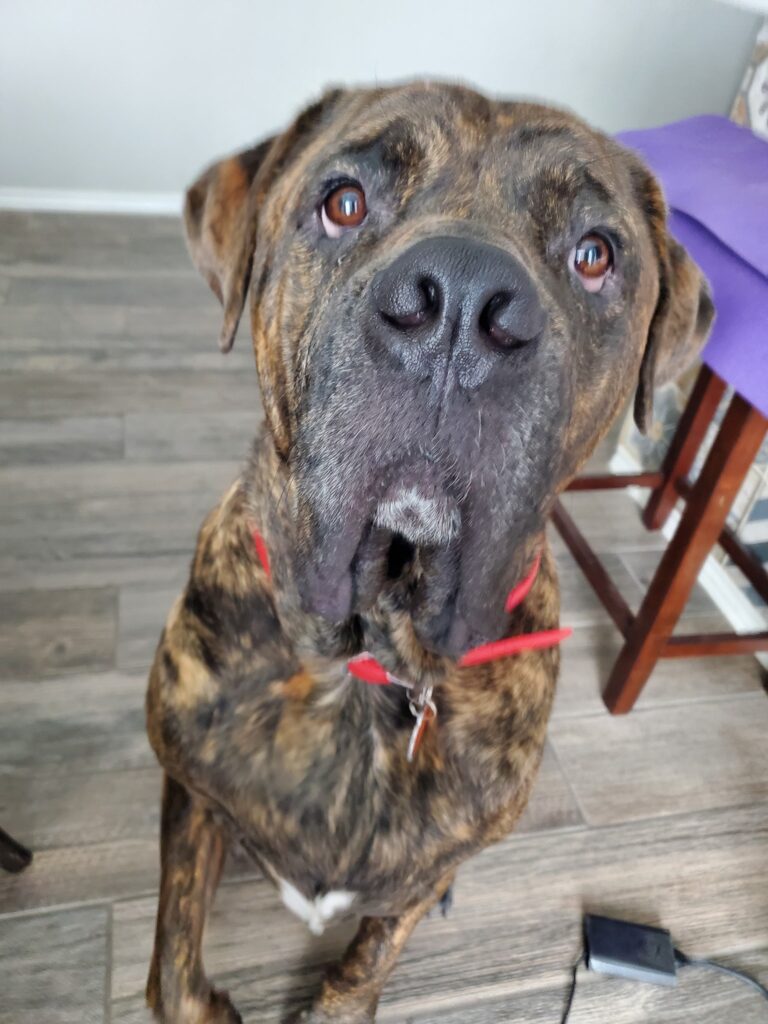
So you have a wonderful pet mastiff, who seems to have acquired a skin condition of some kind. This is always a heartbreaking situation, especially when you don’t get the help you need right away. No one wants to see their pet suffer.
Many dog breeds have health concerns, some minor, some major. Many mastiff owners struggle with skin and coat issues. Coats often can become dull and thin, and some mastiffs are constantly scratching or biting at their skin.
Common Mastiff Skin Problems
Mastiffs are prone to a variety of skin conditions. Some of the most common problems include:
Fleas and Ticks: These parasites can cause itching and irritation, leading to infections if left untreated.
Dermatitis: Inflammation of the skin, often caused by mastiff allergies or irritants.
Pyoderma: A bacterial skin infection that can cause crusty lesions and an unpleasant smell.
Fleas and ticks are common culprits of english mastiff skin problems. If itching and irritation are not treated they can get infections. These pesky parasites latch onto your Mastiff’s skin, leading to discomfort and potential secondary infections.
The next and one of the most common mastiff skin issuesis dermatitis or inflammation of the skin. This is often caused by mastiff allergies to food, chemicals, or other substances. the best way to determine what is causing this is through experimentation. Try changing things such as the dog’s food or your clothing detergent, to see what makes a difference.
Dealing with Dermatitis
Dermatitis, or skin inflammation, can result from food allergies, environmental irritants, or even certain grooming products. Mastiffs with dermatitis often experience red, itchy skin and may scratch excessively.
Treatment Options:
Switch to a hypoallergenic or limited-ingredient dog food if you suspect food allergies symptoms.
Gradually introduce new foods to identify any potential allergens.
Use natural or mild dog shampoos and avoid strong household cleaners that may be causing irritation.
Consult a vet to perform mastiff allergy tests if the cause is unknown.
Anti-inflammatory medications, antihistamines, or medicated shampoos may be prescribed.
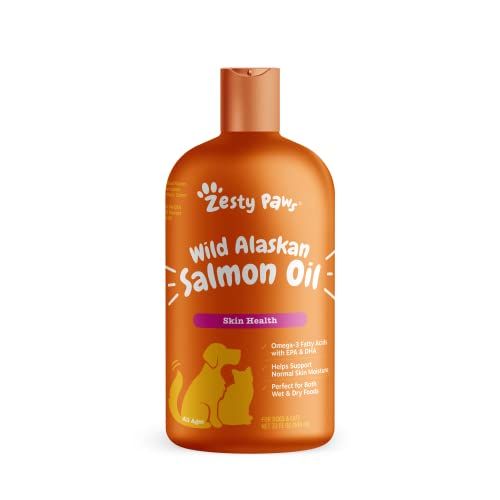
To improve your english mastiff skin conditions, start with improving the condition of their dull coat by incorporating Omega-3 fatty acid supplements into their food.
Pyoderma
Finally, as a mastiff owner you should be aware of a condition called pyoderma, which is a cutaneous bacterial infection of the skin. other bacteria can also be found. The bacteria commonly involved is Staphylococcus intermedius. Staphylococcus intermedius is a normal inhabitant of dogs mucous membranes and transiently colonizes the skin without necessarily causing disease unless some other factor leads to impairment of the skins’ resistance. Most dog skin is rather resistant to bacterial disease, and pyoderma is usually regarded as a secondary phenomenon. Pyoderma is typically characterized by crusty black lesions on the dog’s back and neck area.
Dealing with Pyoderma
Pyoderma is a bacterial skin infection that often appears as crusty lesions on your dog’s skin and can give off a strong odor. It’s usually secondary to other skin issues, so it’s crucial to treat the underlying cause.
Treatment Options:
Oral or topical antibiotics as prescribed by a veterinarian to tackle the bacterial infection.
In some cases, medicated shampoos containing chlorhexidine or benzoyl peroxide can help control symptoms.
Bathe your Mastiff with vet-recommended antibacterial shampoos to reduce bacterial buildup.
Keep infected areas clean and dry to prevent further irritation.
Pustules are usually the hallmark of the disease but usually not seen since they are so fragile and burst before we recognize them. The first lesions are usually papules that will sometimes form pustules if seen. These are found usually in the groin, ventral abdomen, and axilla commonly. In some cases the dorsal trunk and neck are involved and patchy hair loss can be seen at these sites. By the time I see some of these cases, there are not many pustules or papules. It is in the more chronic state. It makes the dog itchy and miserable. It will probably make you miserable as well, since it is usually accompanied by a nasty smell and makes the dog’s skin and fur unnaturally oily. This is due to the production of inflammatory toxins and enzymes by the bacteria.
If you suspect that your mastiff has pyoderma, you should take him to the vet right away. The quicker you can get his skin disease under control. the happier you both will be. Dr. Robin Smith, DVM has written an excellent in-depth article on diagnosing and treating skin problems in mastiffs. Read more here.
Mastiff Skin Diseases: Does Your Dog Need Treatment? 21
1. Mastiffs Can Have A Longer Puppy Phase
Mastiffs do not reach their final physical and mental maturity until they are three years old.
Mastiff Skin Diseases: Does Your Dog Need Treatment? 22
2. Big Standards
While there is no maximum height, there is a minimum.
Female Shoulder Height: 27.5″ Male Shoulder Height: 30″
There is no weight standard for males or females.
Mastiff Skin Diseases: Does Your Dog Need Treatment? 23
3. Record-Setting
A mastiff once held the world’s record for the largest dog. In 1989, an 8-year old mastiff named Zorba, was 37″ tall (shoulder), 8’3″ long from nose to tail, and weighed 343 pounds.
Mastiff Skin Diseases: Does Your Dog Need Treatment? 24
4. Coming To America
A mastiff reportedly came to America on the Mayflower.
Mastiff Skin Diseases: Does Your Dog Need Treatment? 25
5. Oh Baby
Mastiffs have some of the largest litters at 10-12 puppies. The largest mastiff litter on record was 24 puppies, of which 20 survived past the first week.
The cost for a visit to the veterinarian office is increasing each day. Just like us our pets need health insurance to help cover the cost. I hear everyday people choosing to euthanize their pet because the cost of an injury or the cost of a needed surgery is too high for some people. Pet insurance is just like our health insurance it helps to pay the cost of these services. There are several factors that will affect the cost of the insurance. You will need to compare each of the companies to choose which one will best fit your situation. Some of these factors are:
Age of the pet
Sex of the pet
Breed of the pet
Pre-existing injury
Pre-existing illness
Type of coverage
Policy limits
Type of the pet (cat, dog horse…)
Geographical location
Which company
WHY HAVE PET INSURANCE
Most people consider their pets as an important member of their family. The devotion that pet owners have for their pets is real as the hundreds of dollars each year they spend on their pets. This money is spent on supplies, veterinarian care, food, vaccinations, toys, bedding, grooming, heartworm, fleas and tick treatments and many other items. Even with loving care the best efforts at providing preventive measures, unforeseen accidents and illnesses happen.
Most Pet Health Insurance plans include:
Initial & follow-up visits
Laboratory test and diagnostic procedures and blood test
Non-elective surgery
accidents
illnesses
Hospitalization
Anesthesia
Prescription medications
Euthanasia for humane reason
Some treatments and conditions that may not be covered include;
Routine care
Vaccinations
De-worming
Dental care
Chronic illnesses
Cosmetic procedures
Pre-existing conditions
I did find some companies that will offer coverage for routine wellness but in most cases this well double your monthly premium.
When comparing insurance companies here are some questions you need to ask;
Will my premium increase due to pet aging?
What is covered if my pet becomes sick or injured?
What are some of the exclusions I should be aware of?
What are the policy payout limits?
What are my deductible options?
What is the percentage of the cost the policy will pay?
What will cause my premium to increase?
I have compared several pet insurance companies using the following; one year old American Shorthair male cat, neutered with no pre-existing conditions. The response from the companies offered 90% reimbursement, with a one hundred dollar deductible too two hundred and fifty dollar deductible and an average monthly premium.
Here are some of the companies that offers pet health insurance: